





First, The Financial Engine
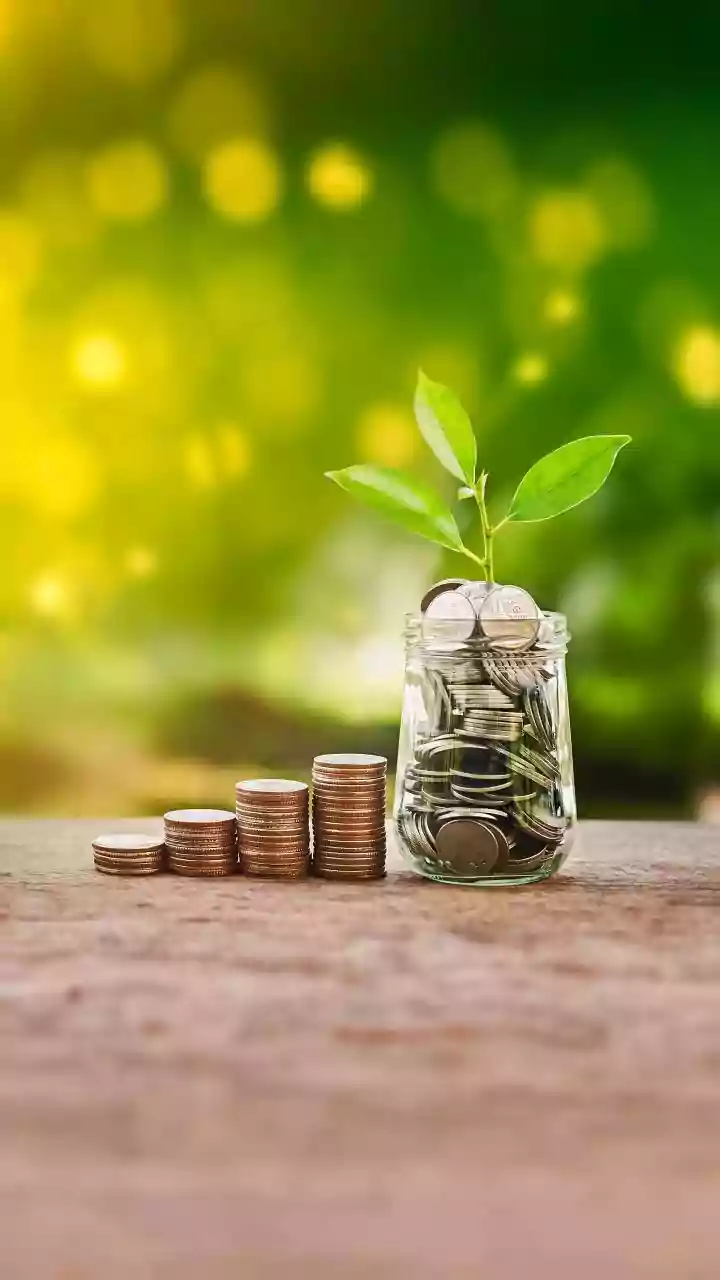
Let’s start with the basics. Compounding is the process where your investment earnings start generating their own earnings. Think of it as a snowball rolling downhill. It starts small, but as it picks up more snow (returns), it grows bigger and faster.
For young people, time is the most powerful ingredient. A small amount saved or invested at 22 can become a mountain of cash by 42, far more than a larger amount saved at 32. India’s Gen Z, a demographic of over 375 million people who came of age in a digitally native, economically booming country, gets this intuitively. Armed with mobile-first fintech apps and a surge in financial literacy, they are starting to invest earlier than any generation before them. They aren't just saving for a house deposit anymore; they are creating dedicated 'travel funds' that, thanks to compounding, are designed to grow exponentially over time. A few dollars a week into an index fund now isn't just a few dollars—it's a future flight to Bali or a down payment on a European backpacking trip.
The Compounding of Experience
But the real genius of applying this mindset to travel goes beyond money. Compounding works for experiences, too. Your first solo trip might just be a weekend getaway to a nearby city. It feels scary and exhilarating. You learn how to navigate a new place, talk to strangers, and solve problems on the fly. That small trip builds a foundation of confidence and travel savvy. The skills you gain from that weekend 'compound.' Your next trip can be a little bigger—maybe a week-long journey to another state. You’re more confident, you know what to pack, and you know how to budget. That experience then makes an international trip feel less daunting. Each journey builds on the last, turning you into a more capable, resourceful, and worldly person. A weekend trip to Austin 'earns interest' that helps you afford—experientially—a future trip to Tokyo. This is the travel equivalent of your earnings generating their own earnings.
Building Compounding 'Social Capital'
Travel is also a powerful engine for building a network. The people you meet in hostels, on tours, or at local cafes become part of your 'social capital.' A conversation with a graphic designer in Lisbon might lead to a freelance gig two years later. A friendship forged with a fellow backpacker in Thailand could become a couch to crash on for a future trip to their home country of Australia. These connections compound. Each new person adds a potential node to your global network, opening doors you never could have anticipated. For a generation that values collaboration and global connection, travel becomes a long-term investment in their personal and professional lives. The initial 'investment' of booking a flight pays 'dividends' in the form of a richer, more interconnected life, where opportunities and friendships grow from the seeds planted on the road.
A Mindset for the Future
So why is this idea taking such strong root with Indian Gen Z? They are a generation of immense ambition, living in a country undergoing rapid transformation. They have seen their parents work hard for stability, and now they want to build on that with a life rich in experiences, not just assets. They understand that the small, consistent efforts made today—whether it's investing 1,000 rupees or taking a short, exploratory trip—will pay off massively down the line. It's a philosophy of patience and foresight applied to a life of adventure. This isn't about deferring joy; it's about strategically building a foundation for even greater joy. It's a powerful lesson for anyone who feels like their travel dreams are impossibly far away. The logic is universal: start small, be consistent, and let the magic of compounding—of money, skills, and experiences—do the rest.