


The Unseen Trend Machine
Before a new snack, sauce, or plant-based alternative ever hits the shelves at your local Trader Joe's or Whole Foods, it likely has to survive the gauntlet of the 'expo circuit.' This isn't one single event, but a year-round series of massive trade shows
that are the food industry's real tastemakers. Key events like the Natural Products Expo West in Anaheim, the Summer and Winter Fancy Food Shows, and the Sweets & Snacks Expo in Chicago are where the business of food gets done. Forget public-facing food festivals; these are sprawling, multi-day affairs where tens of thousands of industry insiders—from ambitious entrepreneurs in tiny booths to powerful retail buyers—gather to decide what Americans will be eating next year.
Curators of the American Pantry
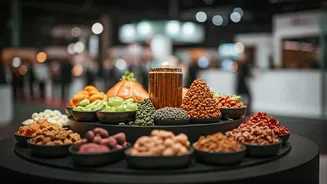
Walking the floor of an event like Expo West is like stepping into a crystal ball for grocery stores. The air is thick with samples, sales pitches, and the constant hunt for 'the next big thing.' The ecosystem is built on a few key players. First, you have the brands: thousands of them, from established giants testing new product lines to tiny startups that have poured their life savings into a 10x10-foot booth and a dream. Their audience isn't you, the consumer. It's the second key group: the retail buyers. These are the gatekeepers, the decision-makers from national chains like Kroger and Target, regional powerhouses, and boutique shops. A single positive conversation with a buyer from a major chain can change a small company's destiny overnight. Finally, you have the media and trend-spotters, who roam the aisles looking for patterns and anointing breakout stars, creating a buzz that buyers can't ignore.
The Journey from Booth to Cart
The process is a masterclass in risk reduction for retailers. A buyer might sample dozens of gluten-free crackers or cold-brew coffees. When one stands out, it’s not just about taste. They’re assessing packaging, price point, production capacity, and the story behind the brand. A successful pitch doesn't result in a national rollout. Instead, it might lead to a small test order for a few dozen stores in a specific region. The brand has now cleared its first and highest hurdle. From there, sales data takes over. If the product flies off the shelves in that limited run, the buyer gains the confidence to expand the order to more stores, then to an entire region, and eventually, nationwide. Prestigious industry awards, like the Specialty Food Association’s Sofi Awards, act as a powerful shortcut, signaling to buyers that a product has already been vetted for quality and innovation, making them more likely to take a chance on it.
Beyond TikTok and Instagram
This deliberate, B2B-focused process stands in stark contrast to the chaotic world of social media trends. A viral TikTok recipe can create massive, sudden demand for an ingredient—as feta cheese and cottage cheese producers have happily discovered. But these moments are often fleeting and difficult for brands to engineer or control. Furthermore, a viral product (like the infamous 'Pink Sauce') can implode under the pressures of quality control and logistics when it's not backed by a solid business infrastructure. The expo circuit is slower and less glamorous, but it's built for commercial sustainability. It’s a filter that tests not just for novelty but for viability. It's the system that ensures a product can actually be produced safely, shipped reliably, and sold profitably before it ever gets a chance to become a staple in your home. It’s the difference between a viral moment and a lasting movement.