


An Otherworldly Landscape
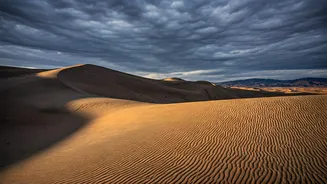
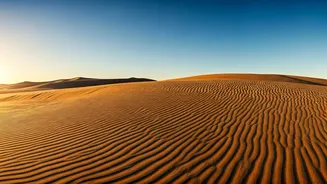
Imagine driving through the high alpine forests of Colorado and suddenly encountering a 30-square-mile sandbox. This isn't a mirage; it's Great Sand Dunes National Park and Preserve, home to the tallest sand dunes in North America. The highest, Star Dune,
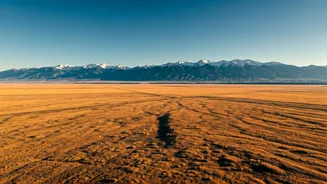
rises a staggering 750 feet from the valley floor. These aren't the gentle, rolling hills of a coastal beach. They are massive, sculpted mountains of sand, constantly reshaped by the wind, set against the dramatic backdrop of the 13,000-foot Sangre de Cristo Mountains. The sheer scale is disorienting in the best way possible. Walking into the dunefield feels like stepping onto another planet, where the rules of a typical mountain hike are replaced by the soft, shifting challenge of sand.
The Thrill of the Slide
You don't just look at these dunes—you play on them. The park’s signature activity is sandboarding and sand sledding. Unlike some protected dune environments, here you are encouraged to climb up and slide down. You can rent specially designed sandboards and sleds from several outfitters just outside the park entrance (pro-tip: snow sleds and cardboard won't work on the dry sand). The climb up a dune face is a workout, with each step sinking into the fine grains. But the reward is a thrilling, high-speed slide back down, with a soft, sandy landing guaranteed. It’s a joyful, slightly chaotic activity that brings out the kid in everyone, from toddlers tentatively sliding a few feet to adults cheering as they race to the bottom.
Colorado's Strangest Beach
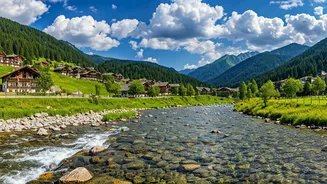
For a few precious weeks each year, the desert landscape hosts a pop-up water park. In late spring and early summer, as snow melts in the high peaks, Medano Creek flows along the base of the dunefield. It’s a wide, shallow, and surprisingly warm creek that creates what locals affectionately call “Colorado’s beach.” What makes it unique is “surge flow,” a phenomenon where underwater sand ridges build up and collapse, sending gentle, pulsing waves across the creek bed. Families set up beach chairs, kids splash in the ankle-deep water, and skimboarders ride the shallow surges. The creek’s flow is entirely dependent on the year's snowpack, typically peaking in late May or early June before disappearing by August. Checking the park's website for current conditions is essential if you hope to catch this magical, temporary oasis.
Beyond the Dunefield
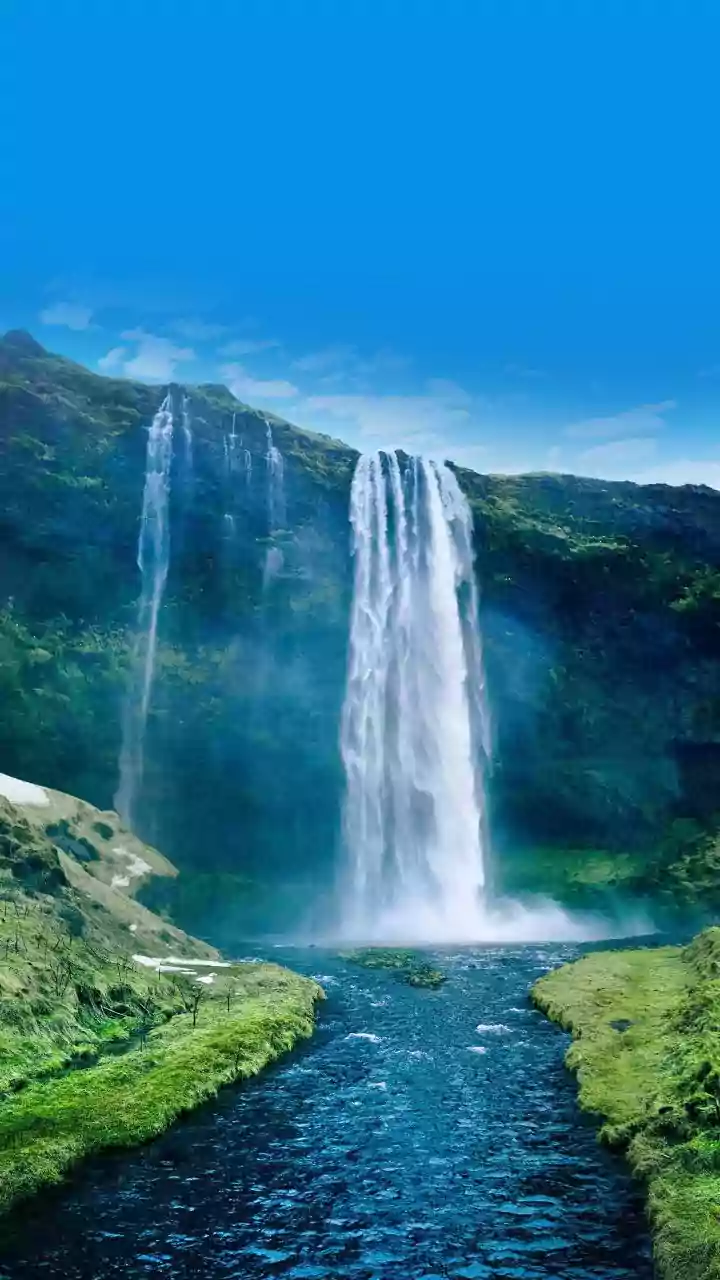
While the sand is the main attraction, the “Preserve” part of the park’s name points to the diverse ecosystems surrounding it. You can escape the sun by hiking into the alpine forests, grasslands, and wetlands that border the dunefield. Trails lead to scenic spots like Zapata Falls, a hidden waterfall tumbling through a rocky chasm just outside the park. Furthermore, the park’s remote location and high elevation make it an exceptional place for stargazing. As an International Dark Sky Park, the night sky is absolutely brilliant, with the Milky Way painted across the heavens in stunning clarity on moonless nights. Rangers often host evening programs, but simply lying on a blanket on the cool sand and looking up is an experience in itself.
Planning Your Golden Detour
Great Sand Dunes is located in a remote part of southern Colorado, about a four-hour drive from Denver. The best times to visit are spring and fall when temperatures are mild. Summer days can be scorching, with sand temperatures soaring above 150°F. If you visit in summer, plan your dune activities for early morning or late evening. Essential gear includes sturdy footwear, layers of clothing (it can be windy and cool), sunglasses, a hat, and plenty of water and sunscreen. Accommodations are available in nearby towns like Alamosa, or you can camp at the park’s Piñon Flats Campground for the full experience. Whether it's a planned destination or a spontaneous side trip, this golden detour offers a slice of the Sahara in the heart of the American West.