








They Go Beyond the Basic Forecast
Relying on your phone's default weather app is like using a road map from 2005. It gets the basics, but you're missing crucial detail. Weather-savvy travelers are using sophisticated, data-rich applications that offer more than just a 10-day temperature
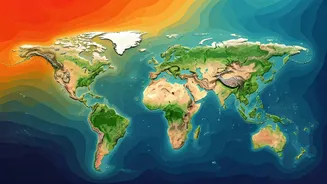
outlook. Apps like Windy.com provide detailed visualizations of wind, rain, and pressure systems, allowing you to see how a storm front is *actually* moving. MyRadar offers high-definition Doppler radar, while Carrot Weather adds a layer of snarky personality to genuinely useful meteorological data, including historical weather patterns for your destination. The goal isn't to become a meteorologist, but to understand the *character* of the weather you're heading into. Is it a brief afternoon shower or a multi-day system that could ground flights? These tools provide that next-level context.
They Master the Art of Flexibility
The smartest travelers know that the best-laid plans are often the most flexible ones. They’ve stopped chasing non-refundable, pre-paid deals that lock them into a specific time and place. Instead, they prioritize optionality. This means booking flights that allow for free or low-cost changes, a feature many airlines now offer as a standard or premium fare class. For accommodation, it means choosing hotels with generous 24- or 48-hour cancellation policies over vacation rentals with draconian terms. This flexibility acts as a form of self-insurance. If a hurricane is bearing down on your Florida beach resort, you don't have to fight for a refund; you simply cancel and rebook elsewhere. The small premium you might pay for a refundable rate is often dwarfed by the cost of a ruined, non-refundable trip.
They Get Strategic with Travel Insurance
Travel insurance has always been a good idea, but in an era of climate volatility, it’s non-negotiable—and it requires careful reading. The winning traveler doesn't just buy the first policy offered during checkout. They read the fine print. Does it cover trip interruptions due to severe weather? What about trip cancellation if a named storm is forecast? Many basic policies won't pay out if you cancel because you *think* the weather will be bad; they only kick in after an event has officially occurred, like a flight cancellation. The pros look for policies with 'Cancel for Any Reason' (CFAR) riders. While more expensive, a CFAR add-on provides the ultimate peace of mind, allowing you to recoup a significant portion of your costs if you decide to pull the plug for a reason not typically covered, like a looming heatwave.
They Embrace the Shoulder Season
The 'shoulder seasons'—the periods just before and after peak season (think May/June and September/October for many Northern Hemisphere destinations)—are the savvy traveler's secret weapon. Not only are crowds thinner and prices lower, but the weather is often milder and more stable. Traveling to the Caribbean in October instead of August significantly reduces hurricane risk. Visiting Europe in September instead of July allows you to dodge scorching, sightseeing-ruining heatwaves. By shifting their travel calendar by just a few weeks, these travelers sidestep the most extreme and volatile weather patterns associated with peak summer and winter months, giving themselves a much higher probability of a pleasant and uninterrupted vacation.
They Pack for Multiple Scenarios
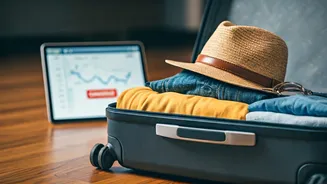
The old advice was to pack for the weather you want. The new advice is to pack for the weather you might get. This doesn't mean bringing three times as much luggage. It means packing intelligently with layers. A waterproof but breathable shell jacket, a lightweight fleece or merino wool mid-layer, and a moisture-wicking base layer can handle a surprising range of conditions, from a cool morning to a sudden downpour. Instead of bulky sweaters, they pack versatile items that can be combined. A pashmina or large scarf can double as a blanket on a chilly plane or an accessory on a cool evening. Packing cubes become essential, allowing for a 'contingency' cube with warmer or rain-ready gear that doesn't mess up the rest of your suitcase if it goes unused. It's about being prepared, not over-burdened.