



The New Green Revolution is Indoors
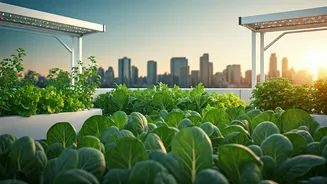
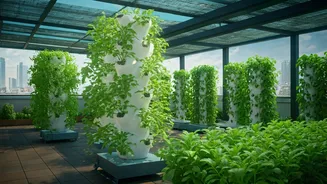
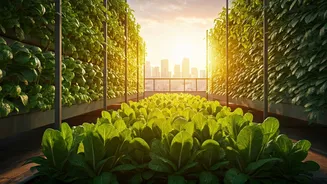
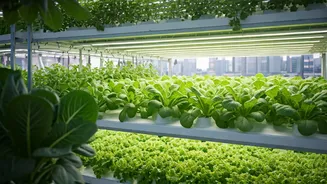
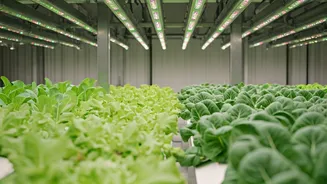
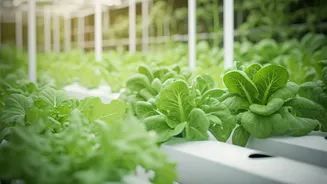
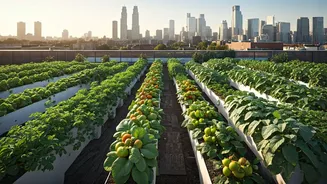
First, let's clarify what we're talking about. Hydroponics is a method of growing plants without soil, using nutrient-rich water solutions. It's a key part of a larger trend called Controlled Environment Agriculture (CEA), which includes vertical farms
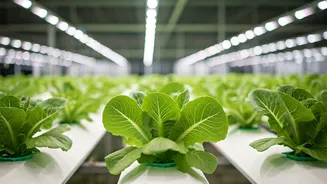
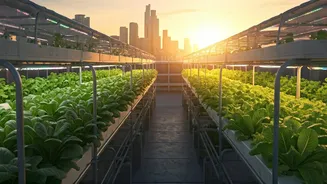
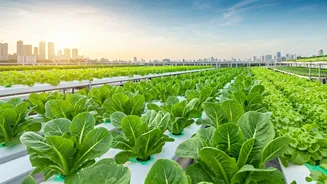
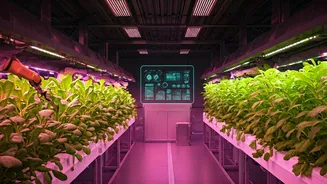
and high-tech greenhouses. This industry is booming. Driven by demand for local, sustainable food and more resilient supply chains, the U.S. CEA market is projected to grow significantly over the next decade. These aren't your grandpa's farms. They are sophisticated facilities where data, engineering, and biology intersect. Instead of vast fields, think stacked layers of leafy greens under precisely calibrated LED lights, with nutrient levels monitored in real time. This growth creates a powerful demand for a new kind of workforce.
A Job of Tangible Problems
The reason these jobs offer a potential shield against AI-driven layoffs lies in the nature of the work itself. While AI excels at processing data, recognizing patterns, and automating repetitive digital tasks, it struggles with a leaky pump. It cannot physically recalibrate a misaligned sensor or intuitively diagnose why a specific crop of basil is wilting despite perfect data readouts. Hydroponic careers demand a blend of digital literacy and physical problem-solving. A technician needs to understand the data dashboard showing a pH imbalance, but they also need the hands-on skill to trace the feed line, diagnose the injector malfunction, and fix it. This fusion of a scientist, an engineer, and a gardener creates a role that is difficult to automate because it operates in the unpredictable physical world.
The Rise of the 'Green-Collar' Professional
The career path here isn't a singular role but a diverse ecosystem of specialties. Universities with strong agricultural programs, like Cornell and the University of Arizona, are training a new generation of “green-collar” professionals. These aren't just growers; they are data analysts who optimize lighting schedules for energy efficiency, engineers who design vertical racking systems, and plant scientists who develop new crop varieties suited for indoor life. A graduate with a degree in horticulture and a minor in data science is suddenly a hot commodity. Job titles include 'CEA Systems Manager,' 'Vertical Farm Operations Lead,' and 'Plant Health Specialist.' These roles require critical thinking and an integrated understanding of complex systems—part biology, part technology, and part mechanical engineering.
Where AI is a Tool, Not a Replacement
Perhaps the most crucial point is that the hydroponics industry isn’t anti-AI; it's one of the places where humans and AI work in symbiosis. AI-powered software is essential for maximizing efficiency. It can analyze thousands of data points from sensors to predict yield, identify early signs of disease, and adjust environmental controls with a precision no human could match. However, the AI is a tool that serves a human expert. It provides recommendations and flags anomalies, but a skilled professional must interpret that information, make the final judgment call, and perform the necessary physical intervention. In this model, AI augments human capability rather than replacing it. The value is in the person who can manage both the technology and the living organisms it supports.