
From Perfect Photos to Practical Prep
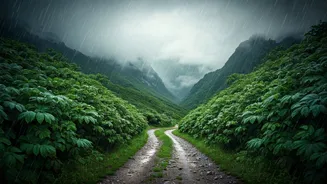
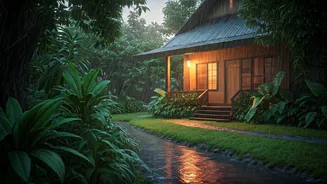
Remember when your social media feed was a flood of perfectly composed images of someone blissfully holding a clear umbrella in a gentle, photogenic drizzle? The reality of monsoon travel—drenching downpours, flash floods, canceled transportation, and
a humidity that feels like you’re wearing a damp wool blanket—was often cropped out of the frame. The focus was on aspiration, selling a mood rather than a trip. That aesthetic-first approach is now giving way to something far more useful. The new wave of monsoon travel content isn't just showing you the beautiful aftermath of a storm; it’s telling you which brand of waterproof shoe will actually survive three weeks in Southeast Asia, how to keep your electronics from dying of humidity, and why a travel-sized dehumidifier might not be a crazy idea.
The New Nuts and Bolts
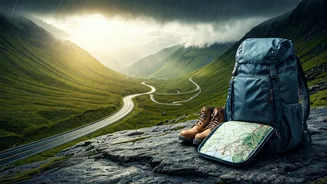
So, what does this “practical” content look like? It’s less about finding the perfect 'pluviophile' caption and more about surviving the season. Creators and travel writers are now focusing on granular, experience-driven advice. Packing lists have evolved from “a light jacket” to “a breathable, quick-dry rain shell with taped seams, and here’s why you shouldn't bother with a standard poncho.” Health advice is more prominent, with detailed primers on avoiding mosquito-borne illnesses like dengue fever, which spike during the rainy season, and tips for steering clear of waterborne bacteria. Logistical advice is king. You’ll find videos explaining how to navigate ferry cancellations in Thailand, what to do when your train is delayed by eight hours due to track flooding in India, and which ride-sharing apps have the best availability during a downpour in Manila. It’s the unglamorous, essential information that can make or break a trip.
Why the Sudden Dose of Reality?
This shift isn’t happening in a vacuum. It’s part of a broader backlash against the curated unreality of influencer culture. Travelers, particularly millennials and Gen Z, are increasingly seeking authentic experiences and are wary of being sold a fantasy. After years of “Instagram vs. Reality” memes, there's a growing appreciation for content that acknowledges challenges instead of pretending they don't exist. Furthermore, the post-pandemic travel boom brought a wave of both new and newly cautious travelers. People are more aware of potential disruptions and want to be prepared. Add in the increasing unpredictability of weather patterns due to climate change, and the need for practical, worst-case-scenario planning becomes not just helpful, but essential. A romantic downpour is one thing; an unprecedented flooding event is another.
Better Trips Through Better Information
The irony is that this dose of intense practicality doesn’t kill the romance of monsoon travel—it enables it. When a traveler knows how to keep their passport dry, what medicine to pack, and has a backup plan for a washed-out road, they’re less likely to have their trip ruined by a preventable mishap. Freed from the anxiety of the unknown, they can actually relax and appreciate the unique beauty of the season. They can enjoy the discounted off-season prices, the thinner crowds, and the dramatic, moody landscapes without being blindsided by reality. Being prepared for the deluge means you can focus on the destination, not the disaster. This new, practical content empowers travelers to make informed decisions, turning what could be a miserable, soggy ordeal into a memorable adventure.