




The Humble Star of the Summer Plate
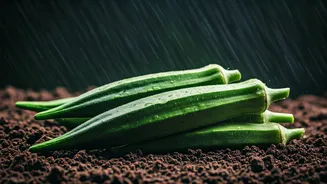
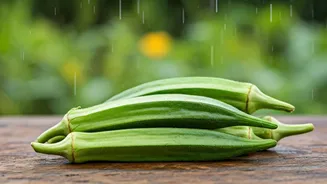
First, let's get our terms straight. Bhindi, bendakaya, lady's fingers—it’s all okra. This green, ridged pod is a member of the mallow family, a cousin to hibiscus and cotton, recognizable by its stunning, short-lived yellow flowers. While it’s a cornerstone
of the American South’s culinary identity, found in gumbos and fried to crispy perfection, its roots trace back to Africa, and it has become an indispensable vegetable across South Asia and the Middle East. In India, bhindi is not just another vegetable; it's a staple. It’s stir-fried into a 'bhindi masala,' stuffed with spices, or dropped into curries. Of course, okra has a reputation. Its 'slime,' or mucilage, is a polarizing feature. But what some find off-putting, chefs and home cooks know is a secret weapon. This soluble fiber is a natural thickener for stews and a key to the vegetable's unique texture when cooked just right. It’s a plant that demands a little understanding, but rewards you generously.
A Season of Agricultural Extremes
To understand why okra’s resilience is so remarkable, you have to understand the monsoon. For many Americans, the term might evoke images of a steady, pleasant rain. The reality is far more intense. The South Asian monsoon is a season of extremes, lasting from roughly June to September. It’s characterized by torrential downpours that can drop inches of rain in hours, leading to widespread flooding and waterlogged soil that can suffocate plant roots. The rain is accompanied by relentless, soaring humidity and high temperatures, creating a perfect incubator for fungal diseases and pests. Delicate greens wilt. Root vegetables rot. Tomatoes split and succumb to blight. For farmers, it's a high-stakes gamble. The rains are essential for life, replenishing rivers and groundwater, but they also create a hostile environment where only the toughest plants survive. It is the very definition of high drama.
The 'Low Drama' Qualities of Okra
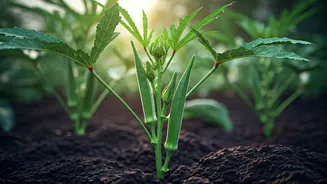
This is where okra steps into the spotlight. It isn’t just that it survives the monsoon; it thrives in it. Its 'low drama' reputation is earned through a specific set of superpowers. First, okra is a heat-loving plant. The high temperatures that cause other crops to bolt or wither are okra’s preferred climate. The humidity? It loves that, too. Second, it’s remarkably fast-growing. From its beautiful flower to a harvest-ready pod can take just a few days. This rapid cycle means farmers can get a continuous harvest throughout the season, often outpacing the diseases and pests that take longer to establish. Furthermore, while it dislikes sitting in a puddle (what plant doesn't?), its strong, deep taproot helps it withstand periods of heavy rain better than many shallow-rooted vegetables. This same root system also makes it relatively drought-tolerant, giving it a toughness that can handle the unpredictable swings between downpours and dry spells. It’s the all-weather vehicle of the vegetable world.
A Lesson for the American Backyard
The story of bhindi in the monsoon isn't just an interesting piece of agricultural trivia. It's a valuable lesson for gardeners everywhere, especially in the United States. As climate patterns shift, bringing hotter summers and more erratic rainfall to many parts of the country, the demand for resilient, 'low drama' crops is growing. Okra is a perfect candidate. In the hot, humid summers of the American South, it performs with the same reliability it shows in India. It requires minimal fuss, produces prolifically, and even contributes aesthetically with its gorgeous flowers. It’s a living example of climate-resilient agriculture. Growing okra is a small way to embrace a plant that is built for toughness, a plant that doesn’t demand perfect conditions but instead makes the most of the heat and the rain it's given. It teaches a gardener to work with the weather, not against it.