



The Foundational Pair: Dal & Rice
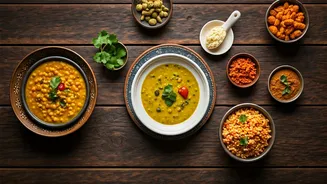
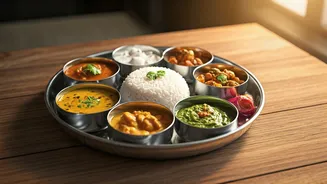
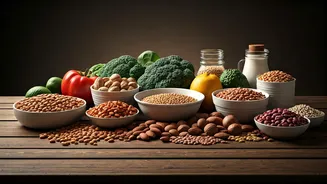
Before there were expensive protein powders, there was dal and rice. This simple, ubiquitous meal across South Asia is more than just comfort food—it's a nutritional powerhouse. Most lentils (dal) are rich in protein but lack certain essential amino acids.
Rice has the amino acids that lentils are missing. When eaten together, they form a 'complete protein,' providing all the building blocks your body needs, similar to what you'd get from meat or quinoa. For the cost of a few dollars' worth of dried lentils and a bag of rice, you have the base for dozens of meals that are deeply nourishing and incredibly easy on your wallet. It's the original, sustainable wellness meal.
The Golden Duo: Turmeric & Black Pepper
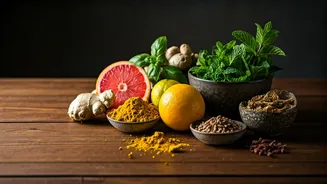
You've seen turmeric lattes in every trendy café, but the secret to unlocking this spice's potential has been known in Desi kitchens for centuries. The main active compound in turmeric is curcumin, which has been studied for its anti-inflammatory properties. The catch? Your body doesn't absorb it very well on its own. The solution is black pepper. A compound in pepper called piperine can dramatically increase curcumin's bioavailability. This pairing is a staple in curries and savory dishes, not just for flavor, but for function. Instead of buying pricey supplements, you can get this synergistic effect by simply adding a generous pinch of black pepper anytime you cook with turmeric. This is a perfect example of kitchen wisdom doubling as a wellness hack.
The Ultimate Reset: Khichdi & Ghee
When someone in a South Asian household is feeling under the weather, recovering from an illness, or just needs a digestive reset, khichdi is often the first thing on the menu. This one-pot dish of rice and lentils (often moong dal) is the epitome of gentle nourishment. It's soft, easy to digest, and provides balanced nutrition. The pairing that elevates it is a dollop of ghee (clarified butter) stirred in at the end. Ghee is a healthy fat that not only adds a rich, nutty flavor but is also highly prized in Ayurveda for its lubricating and nourishing properties, believed to help soothe the digestive system. Forget expensive juice cleanses; a simple bowl of khichdi offers a comforting, grounding, and restorative experience for pennies per serving.
The Morning Elixir: Ginger, Lemon & Honey
A warm cup of water with lemon is a wellness staple, but the Desi version often includes a crucial third ingredient: ginger. This trio creates a potent morning drink traditionally used to kick-start digestion and soothe the throat. Ginger is a powerful, warming spice known for its ability to quell nausea and aid digestion. Lemon provides a dose of Vitamin C, and a touch of raw honey adds antibacterial properties and a hint of sweetness. This simple concoction is a gentle way to wake up your system before breakfast. It’s a classic home remedy that costs next to nothing and can easily replace expensive morning tonics.
The Post-Meal Soother: Fennel & Cardamom
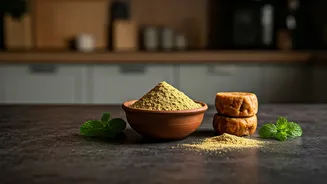
Ever wonder about the little candy-like seeds offered at the end of a meal in many Indian restaurants? That's often mukhwas, a mix that prominently features fennel seeds. Chewing on fennel seeds after a meal is a widespread practice to freshen breath and, more importantly, aid digestion. Fennel is a carminative, meaning it's traditionally believed to help reduce gas and bloating. For a more formal pairing, a simple tea made from crushed cardamom pods and fennel seeds creates a fragrant, soothing digestif. It’s a light, caffeine-free way to settle your stomach after a heavy meal, proving that wellness can be as simple as a mindful sip.