




A World Woven from Water and Roots
Spanning the border of India and Bangladesh at the mouth of the Ganges, Brahmaputra, and Meghna rivers, the Sundarbans is the largest single block of tidal mangrove forest in the world. This isn't a forest you hike through; it’s an aquatic kingdom you navigate
by boat. Designated a UNESCO World Heritage site, it’s a sprawling, semi-submerged landscape of hundreds of islands, creeks, and rivers. The air is thick with the smell of salt and mud, and the scenery is a mesmerizing, monochromatic palette of green foliage and brown, silty water. The name itself translates to “beautiful forest,” but its beauty is primal and untamed. The dense network of prop roots from the Sundari trees, for which the forest is named, creates an impenetrable wall along the banks, a fortress for the wildlife that thrives within.
The Kingdom of the Tiger
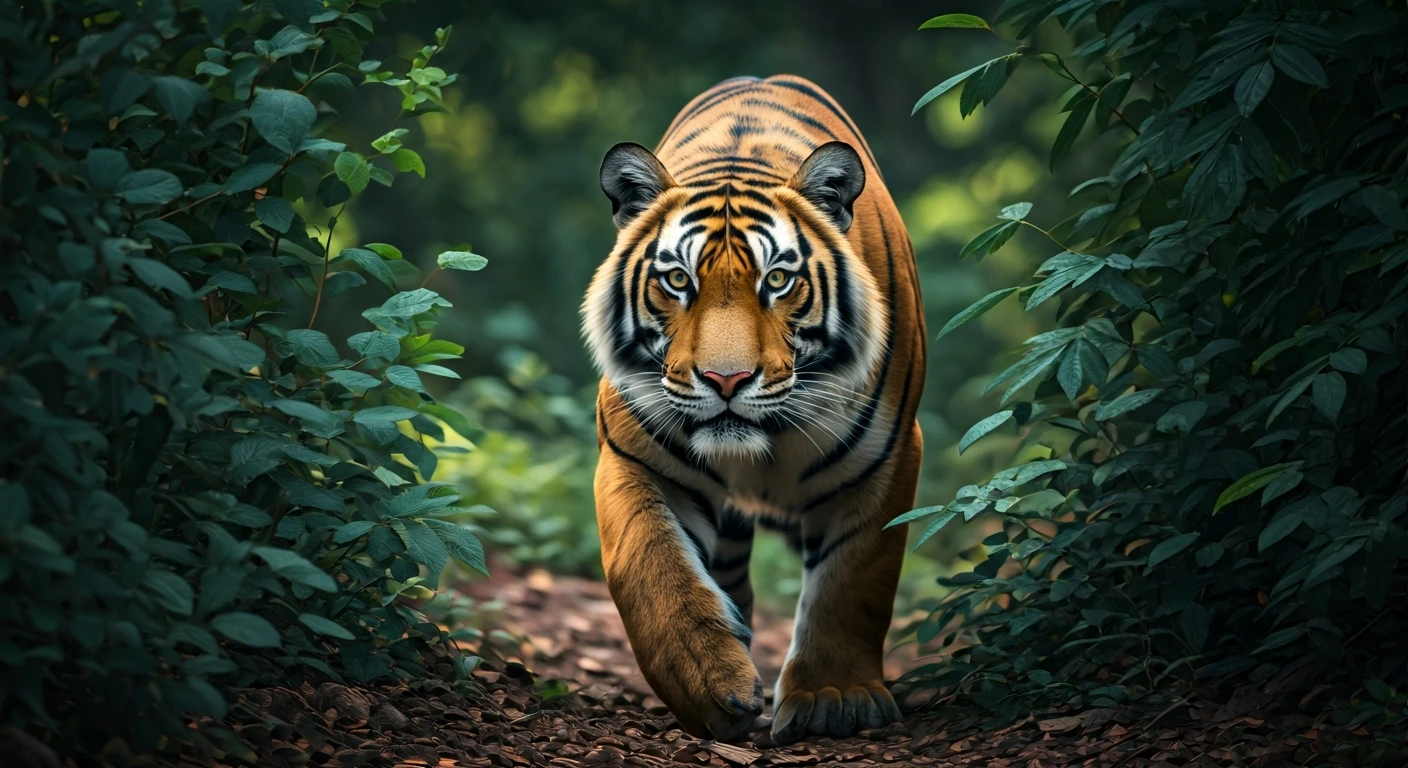
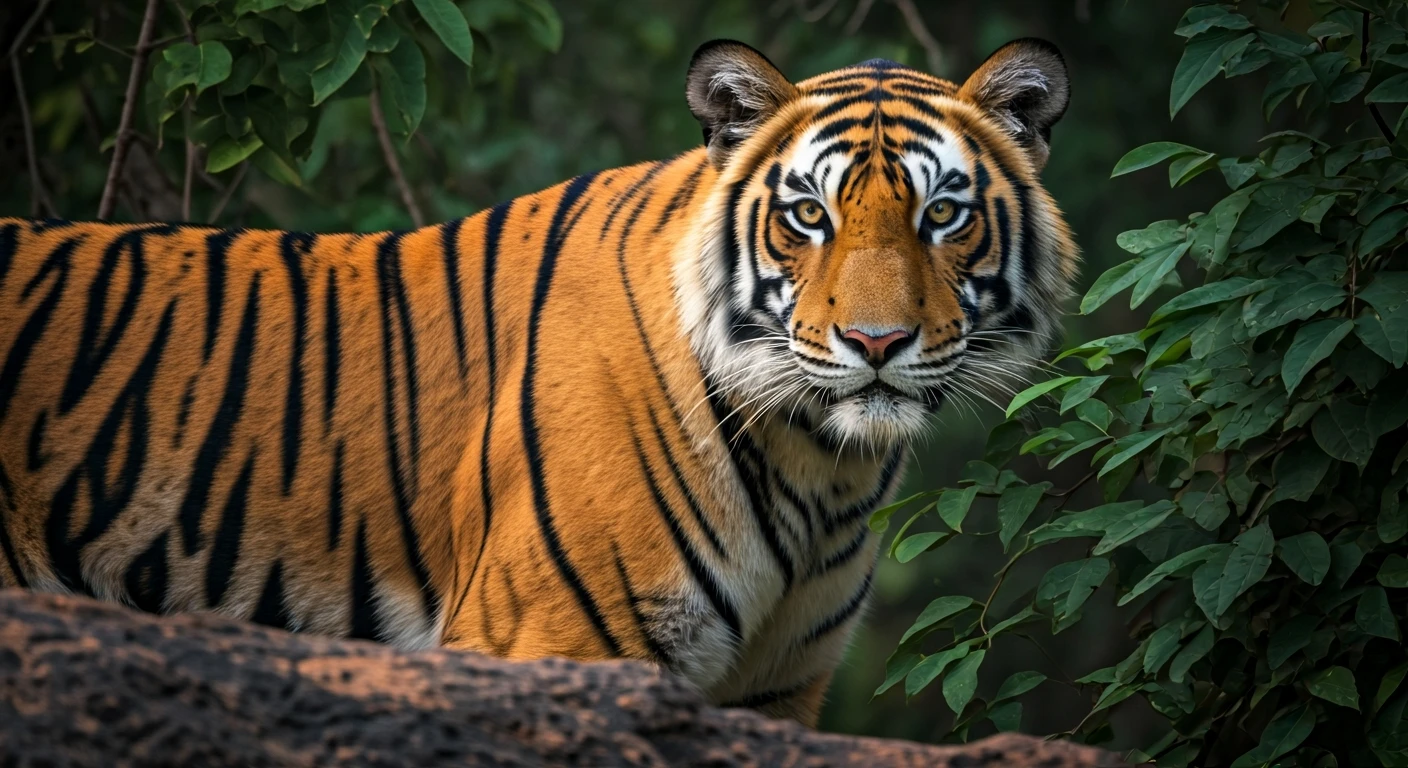
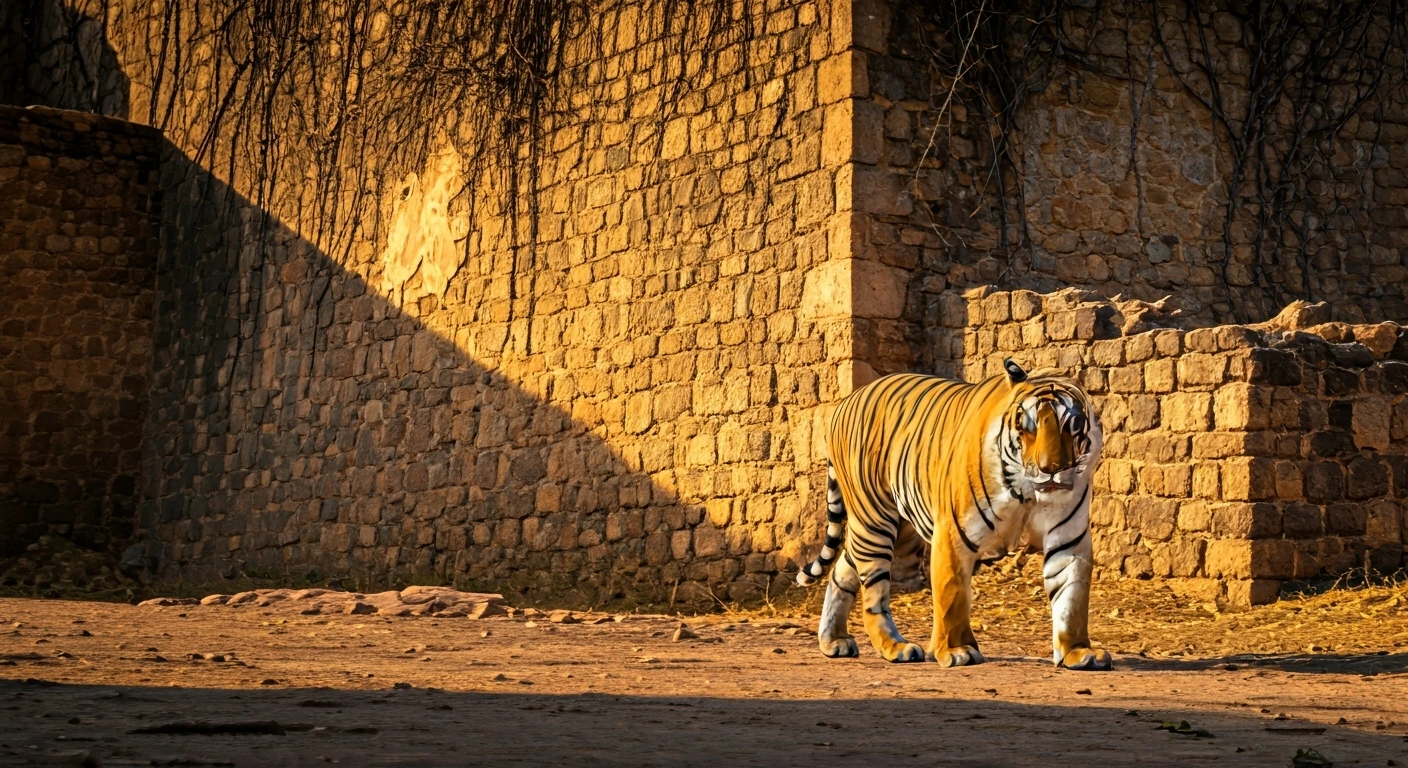
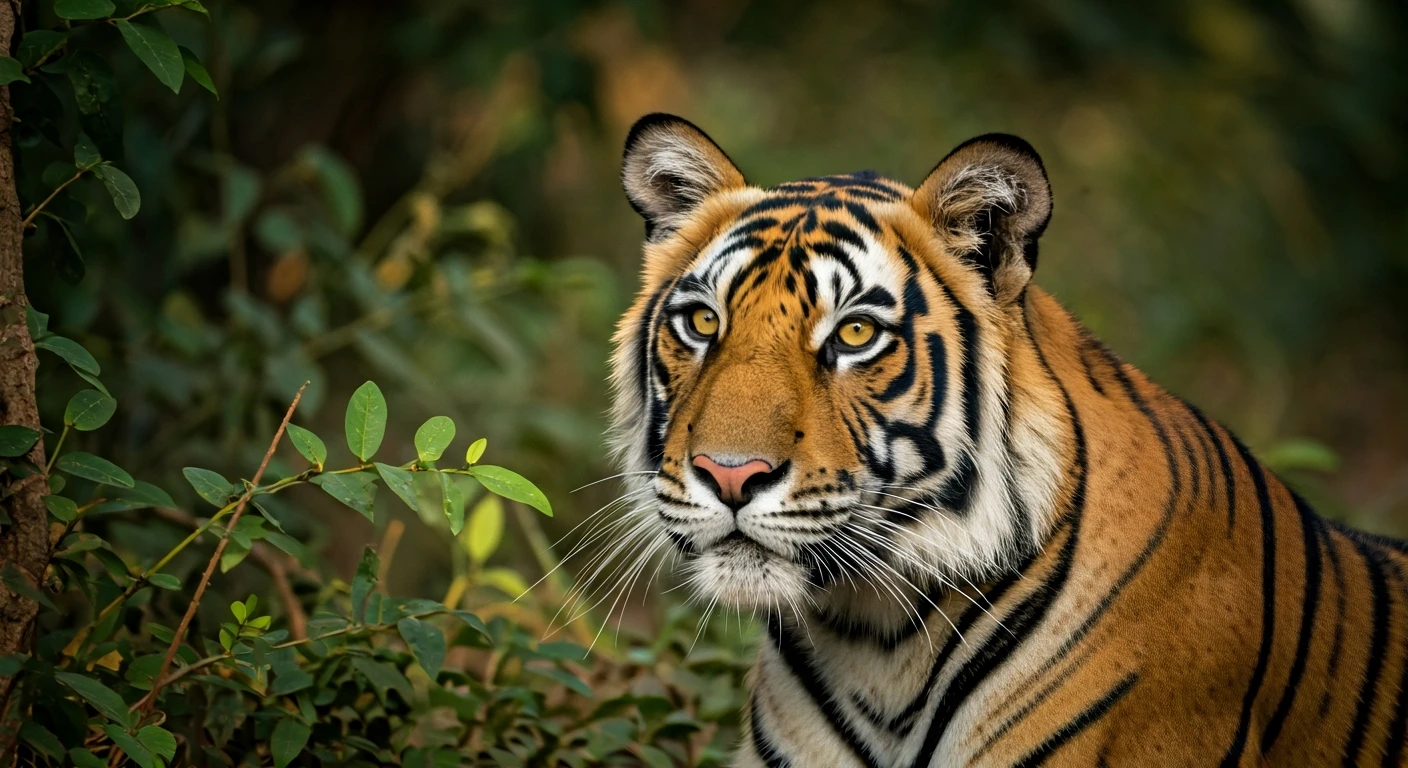
The Sundarbans is synonymous with one creature above all: the Royal Bengal tiger. But these aren’t the tigers of Kipling’s jungle. The Sundarbans tiger is a master of this unique environment—a powerful swimmer that patrols the mudflats and ambushes prey along the water's edge. Seeing one is exceptionally rare, a fleeting glimpse of orange and black against the green, but their presence is felt everywhere. Warning signs are posted at village entry points, and local honey collectors and fishermen have a deep, almost spiritual respect for the predator they share their home with. But the tiger is just the apex of a rich ecosystem. Saltwater crocodiles, some of the largest in the world, bask silently on the riverbanks. Spotted deer dart through clearings, while monkeys chatter from the canopies. For birdwatchers, it's paradise, home to kingfishers, eagles, and a host of migratory species.
Life on the Waterways
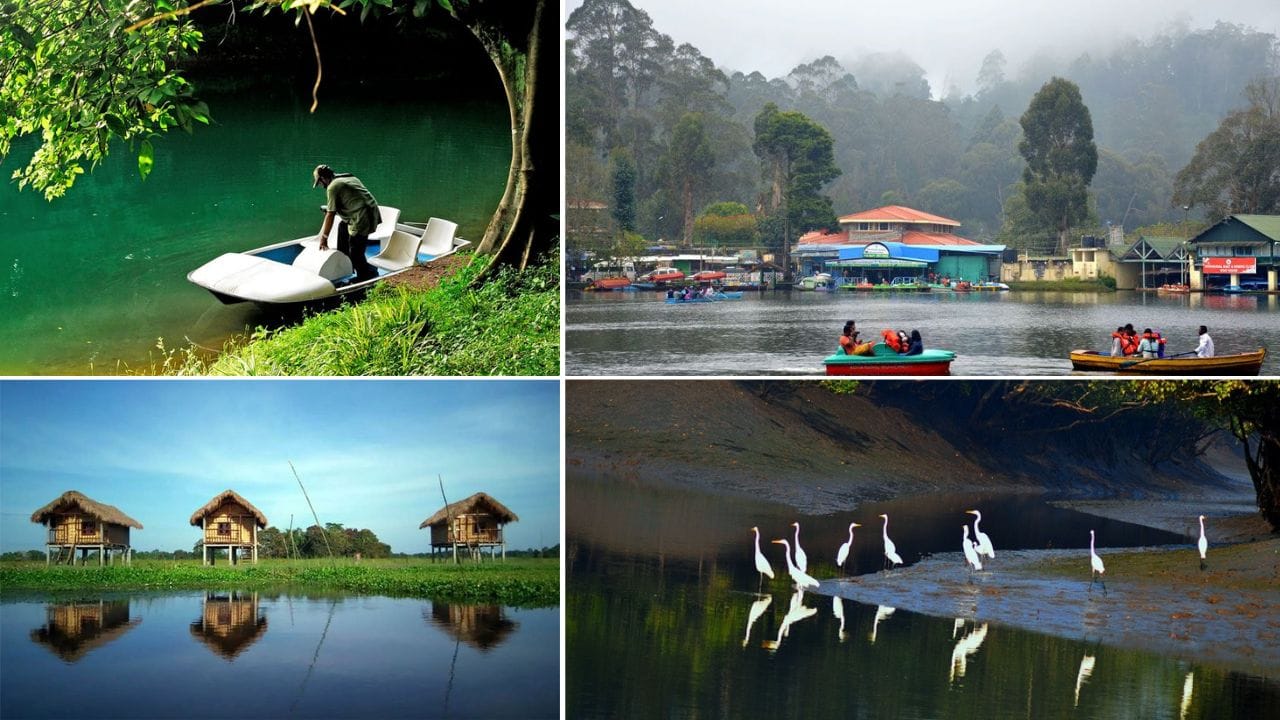
A trip here forces a radical slowdown. There are no roads, no traffic, and often, no cell service. Your home is typically a modest tour boat or a multi-day cruiser, and your clock is the tide. Days are spent drifting through narrow channels, your guide pointing out camouflaged wildlife, and climbing rickety watchtowers for panoramic views of the endless forest canopy. Evenings are for listening to the sounds of the jungle come alive under a blanket of stars, far from any city lights. This isn’t a trip for the impatient. It's a journey of observation, where the main event is simply being present in a world that operates on nature’s terms. It’s a humbling reminder that humans are guests here, visitors in a realm where we are not in charge. The silence is profound, broken only by the call of a bird or the lapping of water against the hull.
More Than Just an Adventure
Visiting the Sundarbans is more than just an exotic vacation; it’s a lesson in ecology and resilience. This vast mangrove system acts as a vital natural shield for millions of people in India and Bangladesh, absorbing the brunt of cyclones that barrel in from the Bay of Bengal. It's a massive carbon sink, playing an outsized role in regulating the global climate. Yet, this critical ecosystem is under threat from rising sea levels, increased salinity, and human pressures. Traveling here responsibly, with accredited local operators who support conservation and community initiatives, contributes to its protection. It transforms your trip from a simple sightseeing tour into a small act of solidarity with one of the planet's most important and awe-inspiring wild places.