


The Headliner: A Dazzling Planetary Dance
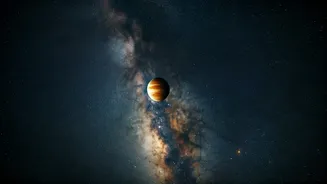
The main event is the stunning conjunction of Venus and Jupiter. In astronomy, a conjunction is when two celestial objects appear to pass very close to each other in our sky. This month, the two brightest planets in our solar system are doing just that.
Often called the 'evening star' or 'morning star,' Venus is incredibly bright, outshone only by the sun and moon. Jupiter, the largest planet in our solar system, is another brilliant beacon. When they cozy up, the effect is mesmerizing. From our perspective on Earth, they'll look like two intensely bright jewels separated by a tiny sliver of sky, easily visible to the naked eye. You don't need special equipment; just find a clear view of the sky shortly after sunset in the west. The two brightest 'stars' you see will almost certainly be them.
How to Watch the Conjunction
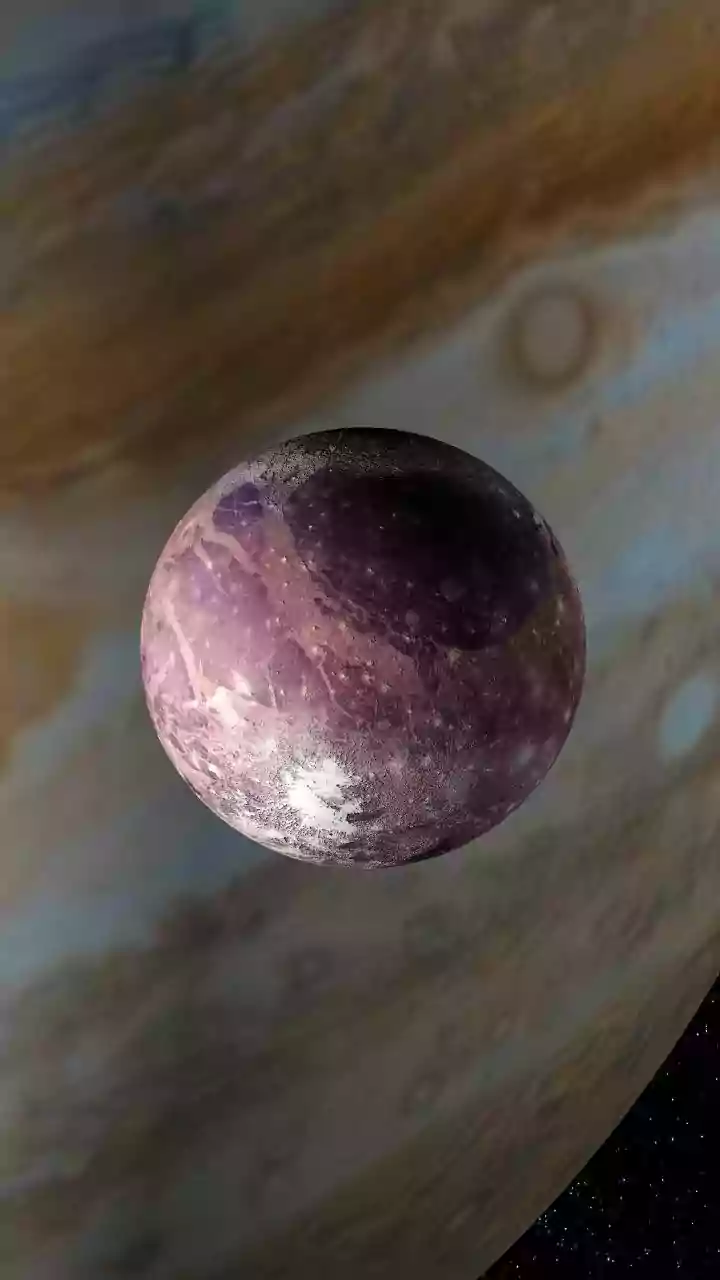
Simplicity is key. Find an open area with an unobstructed view of the western horizon. Start looking about 30 to 45 minutes after sunset. As twilight deepens, Venus and Jupiter will pop into view before most other stars. They will be unmissable. While a telescope or binoculars will enhance the view—you might even glimpse Jupiter’s four largest moons (the Galilean moons) as tiny points of light—they aren't necessary to appreciate the spectacle. This is a perfect opportunity for families and casual observers. Just point your smartphone's camera at them; modern phones are surprisingly capable of capturing the scene. The best part? This cosmic meetup unfolds slowly over several evenings, so if you have a cloudy night, you'll likely get another chance.
Bonus Sight: The Rings of Saturn
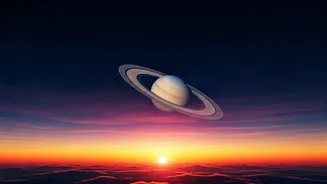
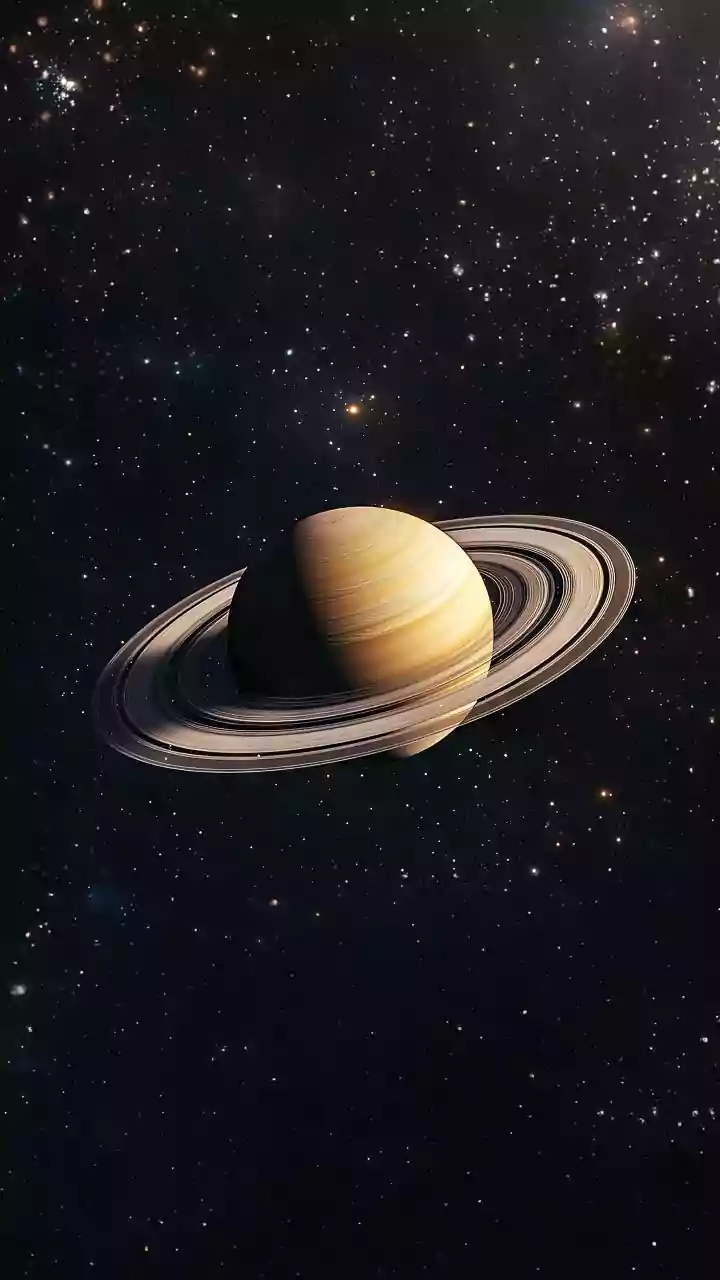
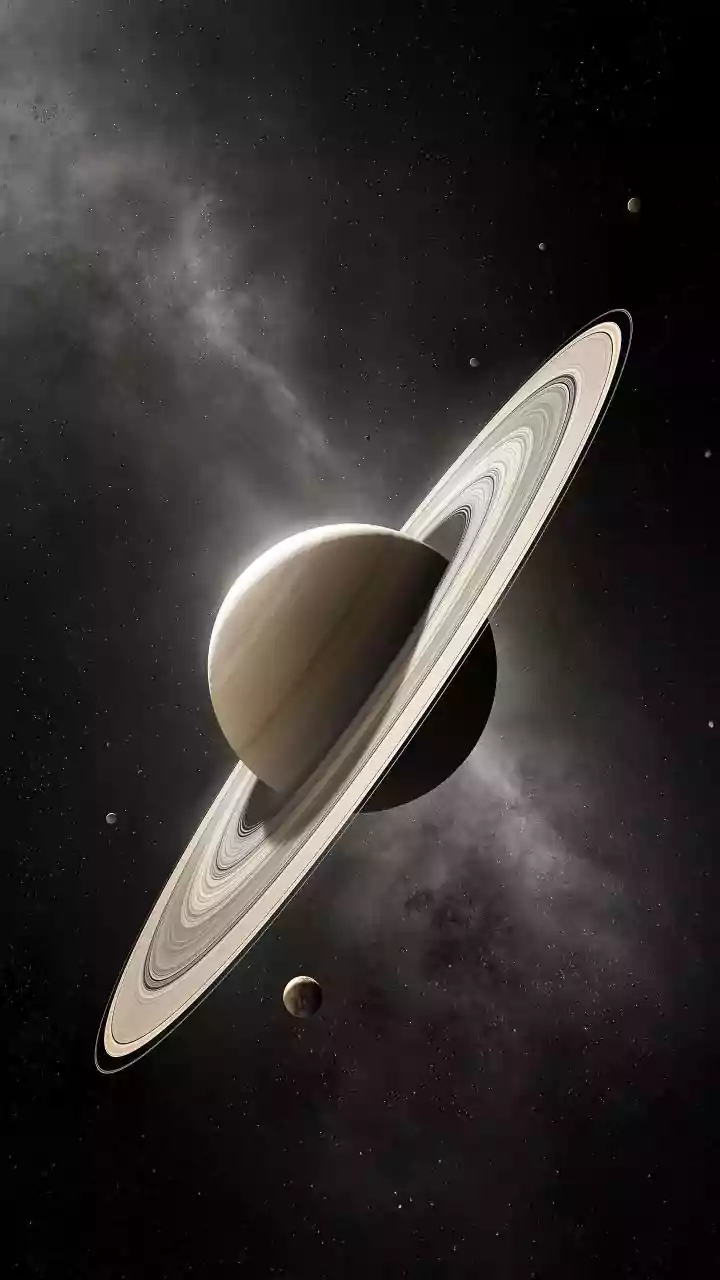
While Venus and Jupiter are grabbing headlines, don't forget about the lord of the rings. Saturn will also be visible this month, appearing as a steady, yellowish-white point of light. It won't be as dazzlingly bright as the other two, but it has its own unique allure. To the naked eye, it looks like a fairly prominent star that doesn't twinkle. But if you have a pair of good binoculars, or better yet, a small backyard telescope, you can resolve its famous rings. Seeing them for the first time is a rite of passage for any amateur astronomer. Check a stargazing app like Star Walk or SkyView to find its exact location in the sky on any given night.
Catch a Falling Star: A Meteor Shower Peak
Many months feature a reliable meteor shower, and they are always worth watching. These 'shooting stars' are not stars at all, but tiny bits of cosmic debris (often from a comet's tail) burning up as they hit Earth's atmosphere at high speed. To get the best view, you need to get away from city lights. Find a dark spot, lay back on a blanket or lounge chair, and let your eyes adjust for about 20 minutes. The show happens across the entire sky, so you don't need to look in one specific direction. The key is patience. You might see a few meteors per hour, or during a shower's peak, dozens. It's a peaceful, awe-inspiring way to spend an evening under the stars.
The Ever-Faithful Moon
Never underestimate the simple beauty of our own moon. This month offers several great opportunities to appreciate it. In the days following the new moon, look for a razor-thin crescent setting just after the sun—a delicate and beautiful sight. Of course, the full moon is its own kind of spectacle. For the most dramatic view, watch it rise. As it climbs above the eastern horizon, it appears huge and golden due to an optical illusion caused by the atmosphere and its proximity to earthly objects for scale. This 'moon illusion' makes for fantastic photo opportunities and a moment of pure wonder.