





From Kibble to Quinoa Bowls
Not long ago, feeding your dog or cat was a simple, one-step process. You bought a giant bag of shelf-stable pellets, scooped a cup, and walked away. Today, a walk down the pet food aisle—or a scroll through your Instagram feed—reveals a dramatically
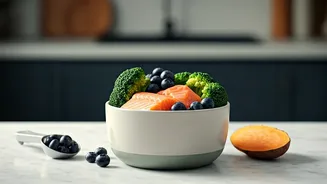
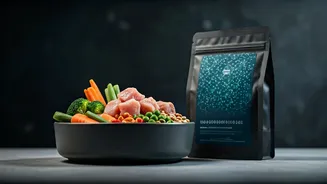
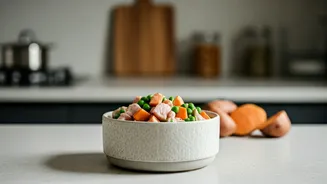
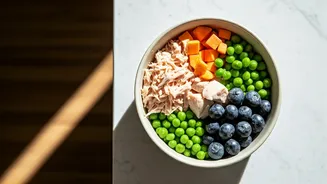
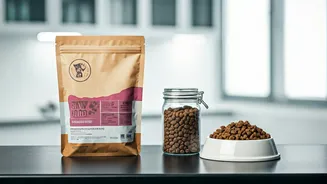
different landscape. You’ll find refrigerated sections stocked with pre-portioned meals, freezer cases full of raw patties, and direct-to-consumer subscription boxes promising bespoke nutrition plans based on your pet’s age, breed, and activity level. Companies with sleek, millennial-friendly branding like The Farmer’s Dog, Nom Nom, and Ollie are delivering what are essentially high-end meal kits for canines. The ingredients listed sound more like a recipe for a healthy grain bowl than traditional pet food: turkey, chickpeas, carrots, broccoli, and fish oil. This isn't just about food; it's a full-blown wellness movement. Pet owners are treating mealtime as a foundational pillar of their 'fur-baby's' health, on par with vet visits and daily walks.
The Humanization of Pet Ownership
So, why the sudden upgrade? The shift in the food bowl is a direct reflection of a larger cultural shift in the living room. For a growing number of Americans, particularly millennials and Gen Z, pets aren't just animals; they are family. They’ve been promoted from the backyard to the bedroom, and with that promotion comes a new standard of care. This phenomenon, often called 'pet humanization,' means we project our own values, needs, and anxieties onto our animal companions. As we’ve become more obsessed with wellness, clean eating, and ingredient transparency in our own lives, it was only a matter of time before we applied the same scrutiny to what we feed our pets. If you’re carefully reading labels to avoid processed ingredients and artificial additives for yourself, the logic follows: why wouldn’t you do the same for your beloved four-legged family member? This trend is about more than just love; it’s about control. In a world that often feels chaotic, curating a perfect wellness plan for a pet offers a tangible sense of providing the very best for a creature who gives unconditional love in return.
What the Vets Say
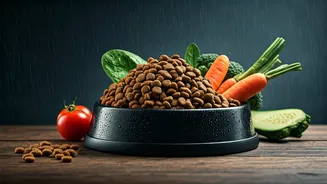
While a bowl full of fresh turkey and vibrant vegetables certainly looks healthier than brown kibble, the veterinary community offers a more nuanced perspective. Many veterinarians agree that the increased focus on pet nutrition is a positive development. They acknowledge that some pets, particularly picky eaters or those with certain health issues, may benefit from the higher moisture content and palatability of fresh diets. However, they also raise important flags. The biggest concern is nutritional adequacy. A diet that 'looks' healthy to a human may be dangerously deficient in essential vitamins and minerals for a dog or cat. The gold standard for commercial pet food is a statement from the Association of American Feed Control Officials (AAFCO) confirming that the food is 'complete and balanced' for a pet’s specific life stage. Any reputable fresh food company should have this certification, which is typically based on laboratory analysis or feeding trials. Without it, you are essentially gambling with your pet's long-term health. Veterinarians often caution against purely homemade diets for this reason, unless formulated with the help of a board-certified veterinary nutritionist.
Decoding the Wellness Lingo
Navigating this new market means learning a new vocabulary, one that has been lifted directly from human food trends. 'Human-grade' is a popular term, suggesting the ingredients are fit for human consumption. While this sounds reassuring, the term isn't officially regulated in pet food, though it implies a higher quality of sourcing and production. 'Organic' follows USDA standards, meaning the ingredients were grown without certain pesticides and synthetic fertilizers, but its nutritional benefit for pets over conventional ingredients is not definitively proven. 'Natural' is a broad term, generally meaning the food is free from artificial colors, flavors, or preservatives. The takeaway for a concerned pet parent isn’t to chase buzzwords, but to look for substance behind them: a clear AAFCO statement, transparent sourcing, and a formulation backed by veterinary science, not just marketing.