

The Allure of the Storm
From roughly mid-June through September, the American Southwest undergoes a breathtaking transformation. The North American Monsoon isn't a months-long downpour like its Asian counterpart. Instead, it’s a seasonal shift in wind patterns that pulls moisture
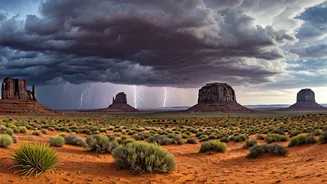
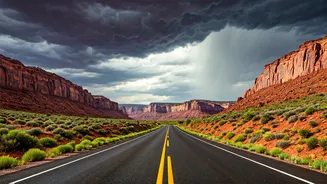
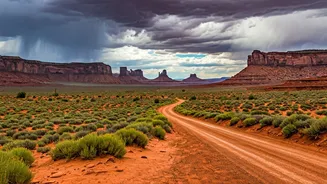
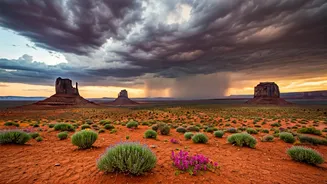
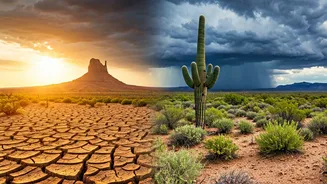
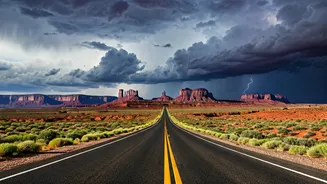
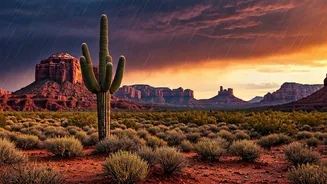
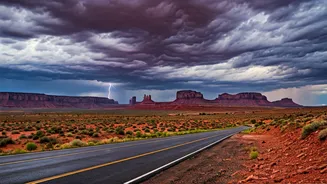
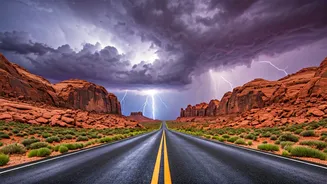
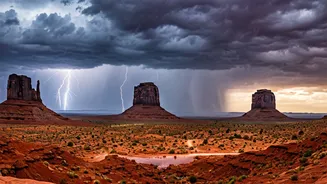
up from the Pacific and the Gulf of Mexico, resulting in short, intense, and often spectacular afternoon thunderstorms. For travelers weary of predictable vacations, this is the appeal. It’s nature at its most dynamic: a landscape of red rock and cactus suddenly crowned with towering cumulonimbus clouds, streaked with lightning, and washed clean by a sudden deluge. It’s an experience that feels raw, unpredictable, and profoundly alive.
What You're Actually Seeing
A monsoon trip is a masterclass in sky-watching. You’ll learn the language of the clouds, from the puffy, innocent cumulus of late morning to the anvil-shaped thunderheads that dominate the afternoon. The main events are the thunderstorms themselves, which can drop an inch of rain in under an hour. But the magic is also in the atmosphere surrounding them. Look for virga, which are rain curtains that evaporate before hitting the ground, creating ethereal, wispy trails beneath the clouds. After a storm passes, the low-angled sun can create some of the most intense rainbows and dramatic sunsets imaginable, with sunbeams (crepuscular rays) fanning out from behind the clouds in a jaw-dropping display. And then there's the scent—the iconic fragrance of the desert after a rain, a mix of ozone and wet sagebrush, is a memory that lasts a lifetime.
Prime Monsoon Territory
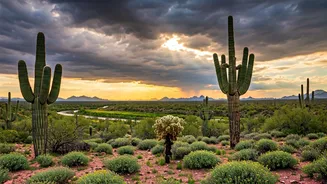
While the monsoon affects a wide area, the most dramatic and accessible action is concentrated in Arizona and New Mexico. Southern Arizona, particularly the areas around Tucson, Organ Pipe Cactus National Monument, and the Chiricahua Mountains, is classic monsoon country. The elevation changes create dynamic weather, and the saguaro-filled landscapes provide a perfect foreground for the stormy skies. Further north, the red rocks of Sedona and the grandeur of the Grand Canyon offer different but equally stunning backdrops. In New Mexico, the high desert plains and mountains around Santa Fe and Taos come alive with color and storm activity, offering a slightly different flavor of the same powerful seasonal shift.
The Unforgiving Rules of Water
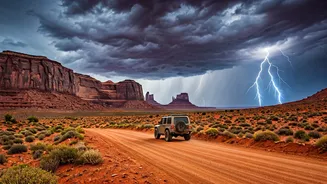
This adventure comes with one enormous, non-negotiable rule: respect the water. Flash floods are the single greatest danger. A storm that is miles away can send a wall of water rushing down a dry wash or canyon with no warning. Never, ever camp in a dry wash (also known as an arroyo). Be extremely cautious hiking in slot canyons; check the forecast for the entire region, not just your immediate location, and if there's any chance of rain, do not enter. On the road, obey all signs and never attempt to drive through a flooded crossing. The mantra “Turn Around, Don’t Drown” is life-saving advice. A few inches of moving water can sweep a car off the road. Patience is key; it's better to be stranded for a few hours waiting for water to recede than to risk a fatal mistake.
Pack for the Unexpected
Your packing list should reflect the dual nature of the desert summer: intense heat and sudden downpours. Lightweight, breathable clothing is a must, but a reliable rain jacket is just as important. Sturdy, waterproof hiking boots with good grip are essential for navigating slick rock and muddy trails. In your car, an emergency kit is non-negotiable. Include extra water, food, blankets, a first-aid kit, and a flashlight. Since cell service can be spotty, consider a satellite messenger or personal locator beacon, especially if you plan on venturing far from main roads. A good weather app with radar functionality is your best friend, allowing you to track storms in real time and make smart decisions about your day’s plans.