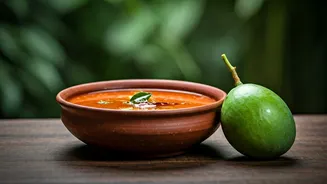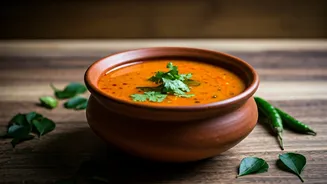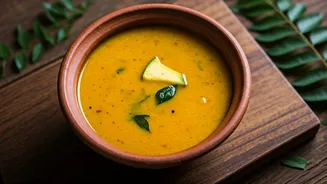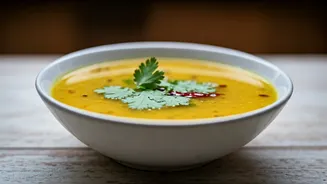




First, What Is Rasam?
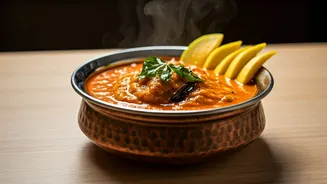
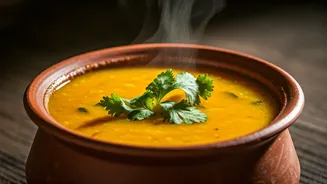
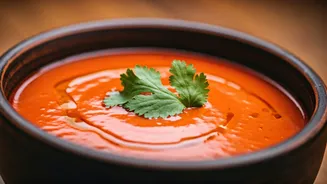
For many Americans, the concept of a hot soup in summer seems counterintuitive. But in South India, rasam isn't just soup; it's a culinary staple and a philosophy. Pronounced 'ruh-sum,' it’s a thin, tamarind-and-tomato-based broth that’s light, peppery,
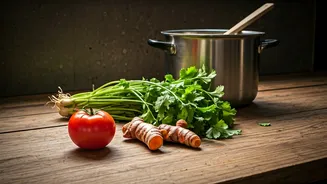
and packed with digestive spices like cumin, coriander, and black pepper. Unlike thick, creamy soups, rasam is designed to be invigorating. It’s often served in small quantities with rice, acting as a zesty palate-awakener, a digestive aid, or a comforting broth to sip on its own. Think of it less as a heavy, meal-in-a-bowl soup and more like a dynamic, flavorful consommé that’s essential to the rhythm of a traditional South Indian meal.
Enter the King of Fruits
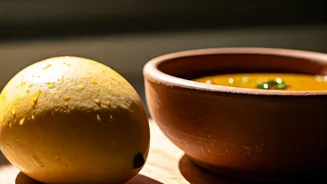
The magic of mango rasam—known in regions like Tamil Nadu as *Mambazha Rasam*—begins when this traditional base meets India’s most beloved summer icon: the mango. In India, the arrival of mango season is a national event, a fragrant and joyful signal that summer is truly here. The fruit isn't just a snack; it's woven into the cultural fabric, appearing in everything from pickles and chutneys to drinks and desserts. By incorporating ripe, sweet mango pulp into the tangy, spicy rasam broth, the dish becomes a celebration of seasonality. It’s a brilliant culinary move that captures the very essence of a sun-drenched afternoon, transforming a daily staple into a special, seasonal treat.
A Symphony of Flavors
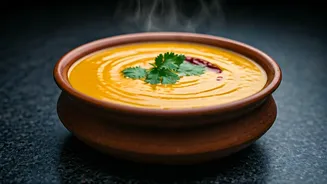
So, what does it actually taste like? Imagine a wave of flavor that hits all the right notes in perfect succession. The first taste is the sweetness of the ripe mango, lush and fruity. This is immediately balanced by the sharp, tangy undertone of tamarind, which cuts through the sweetness and prevents it from becoming cloying. Next comes the warmth of the spice blend—the earthy notes of cumin and coriander, the subtle heat of black pepper, and sometimes a whisper of chili. A tempering of mustard seeds, curry leaves, and asafoetida, sizzled in ghee or oil and poured over the top at the end, adds a final layer of aromatic complexity. The result is a dynamic, multi-layered experience that is simultaneously comforting and exhilarating. It’s sweet, sour, savory, and spicy all at once, a complex dance of flavors that leaves your palate feeling refreshed and alive.
How to Enjoy It
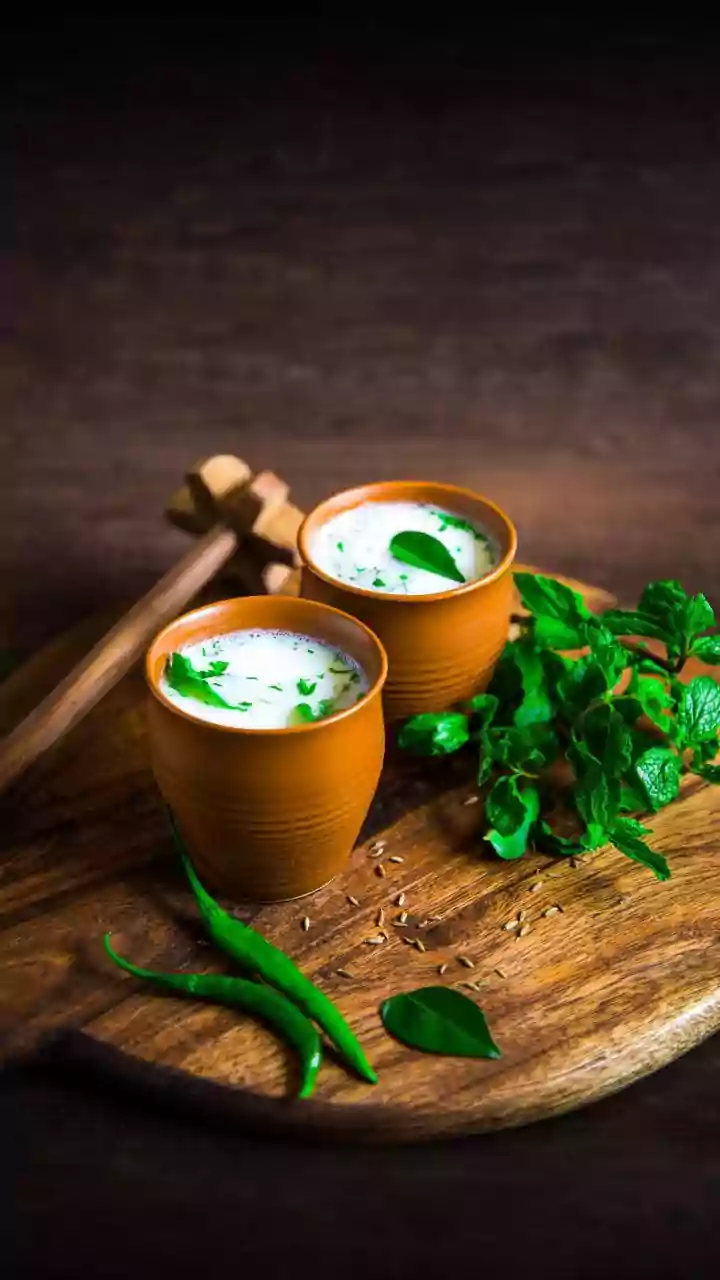
You won’t typically find mango rasam served in a large American-style soup bowl. Its traditional role is more versatile. The most common way to enjoy it is ladled over a small mound of hot, steamed rice. The rice soaks up the liquid, and each spoonful becomes a perfect bite of sweet, tangy, and savory goodness. It can also be served in a small cup or glass to sip alongside a meal, working as a kind of liquid palate cleanser that prepares you for the next course. In some households, a small bowl of warm rasam is simply enjoyed on its own as a light appetizer or a soothing end to the meal. This versatility is part of its charm; it’s not a dish that demands to be the center of attention but one that elevates everything around it.