



Forget the Clock, Watch the Sun
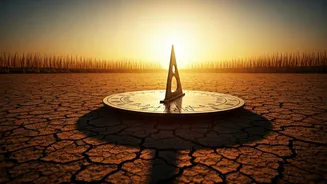
We tend to think of noon as the day's midpoint, the time when the sun is highest and hottest. But that’s a misunderstanding of “solar noon” versus the 12:00 p.m. on your phone. Due to daylight saving time and the shape of our time zones, the sun is actually
at its highest point in the sky—and UV radiation is at its most intense—closer to 1 p.m. in many parts of the U.S. However, the day's hottest temperature usually comes even later, between 3 p.m. and 5 p.m. This is because the ground, pavement, and buildings spend all day absorbing solar energy and then radiate it back out, creating a thermal lag. So, the most brutal time for a run isn't noon; it's often mid-afternoon, when peak UV exposure and peak air temperature unpleasantly overlap.
Become a Morning Person (Just for Summer)
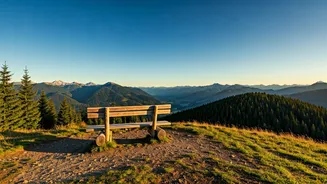
There’s a reason why seasoned hikers hit the trail at dawn. The hours between sunrise and roughly 10 a.m. are your golden window for strenuous outdoor activity. The air is at its coolest, the humidity is often lower, and the sun’s rays are less direct and intense. This is the ideal time for a long bike ride, a challenging trail run, or even demanding yard work. Beyond the comfort factor, there are other perks. You’ll encounter fewer crowds at popular parks and beaches, and you’re more likely to see wildlife. Plus, there’s a certain satisfaction in having your adventure finished before most people have had their second cup of coffee, leaving you free to enjoy the afternoon in the shade with a well-deserved sense of accomplishment.
Embrace the Golden Hour and Beyond
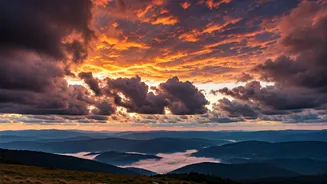
If morning isn’t your thing, the other end of the day offers its own magic. After the peak heat of the late afternoon subsides, usually around 5 or 6 p.m., the outdoors becomes inviting again. This “golden hour” before sunset, beloved by photographers for its soft, warm light, is also perfect for more relaxed activities. It’s an ideal time for a neighborhood walk, a casual game of catch, or dinner on the patio. As the sun dips below the horizon, the world begins to cool down significantly. An evening swim can feel incredibly refreshing, and a picnic in the park under the emerging stars is a far more comfortable—and romantic—experience than one under the blazing midday sun. Don’t discount the post-sunset hours; they’re a gift.
Factor in Humidity: The Heat Index
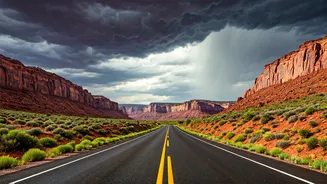
A 90-degree day in Phoenix feels very different from a 90-degree day in Miami. The culprit is humidity. Your body cools itself by sweating, and for that sweat to work, it needs to evaporate. When the air is already saturated with moisture (high humidity), evaporation slows down dramatically. This is why the National Weather Service reports the “heat index,” or the “feels like” temperature. It combines air temperature with relative humidity to give you a much more accurate sense of how your body will experience the heat. An 85-degree day with 80% humidity can feel more dangerous and draining than a 95-degree day with 20% humidity. Always check the heat index, not just the temperature, before making your plans.
Match the Activity to the Timing
Not all outdoor plans are created equal, and your timing should reflect that. Use this simple framework: * **High-Exertion Activities (Running, Hiking, Sports):** Schedule for the early morning (before 10 a.m.) or, if you must, the very late evening. Avoid the 11 a.m. to 5 p.m. window entirely. * **Water Activities (Swimming, Kayaking):** While it’s tempting to swim midday, remember that sun exposure is a major risk, especially on the water where reflection intensifies UV rays. A late afternoon swim is often more pleasant and safer. * **Stationary Activities (Picnics, Reading in the Park):** The key here is shade. A midday picnic is possible if you have dense, reliable tree cover. But for pure comfort, a golden-hour picnic after 6 p.m. can’t be beaten. You get the beauty without the brutality.