



Beyond the Postcard View
For generations, the goal of travel was to see the ‘big things.’ The Eiffel Tower, the Colosseum, the Statue of Liberty. You’d snap a photo, buy a miniature replica, and move on. The experience was often passive, a form of cultural consumption from a safe
distance. Today, that model feels increasingly hollow to a new wave of travelers. They aren’t just asking “what should I see?” but “what can I experience?” This shift redefines the very concept of a ‘main attraction.’ It’s no longer necessarily a building or a monument, but an interaction. The highlight of a trip to New Orleans might not be a packed bar on Bourbon Street, but a backyard crawfish boil in the Treme. A visit to New York might be remembered not for Times Square, but for a guided walk through the street art of Bushwick with a local artist. This is travel as an active pursuit—a desire to understand a place from the inside out, not just look at it through a bus window.
The Search for Genuine Connection
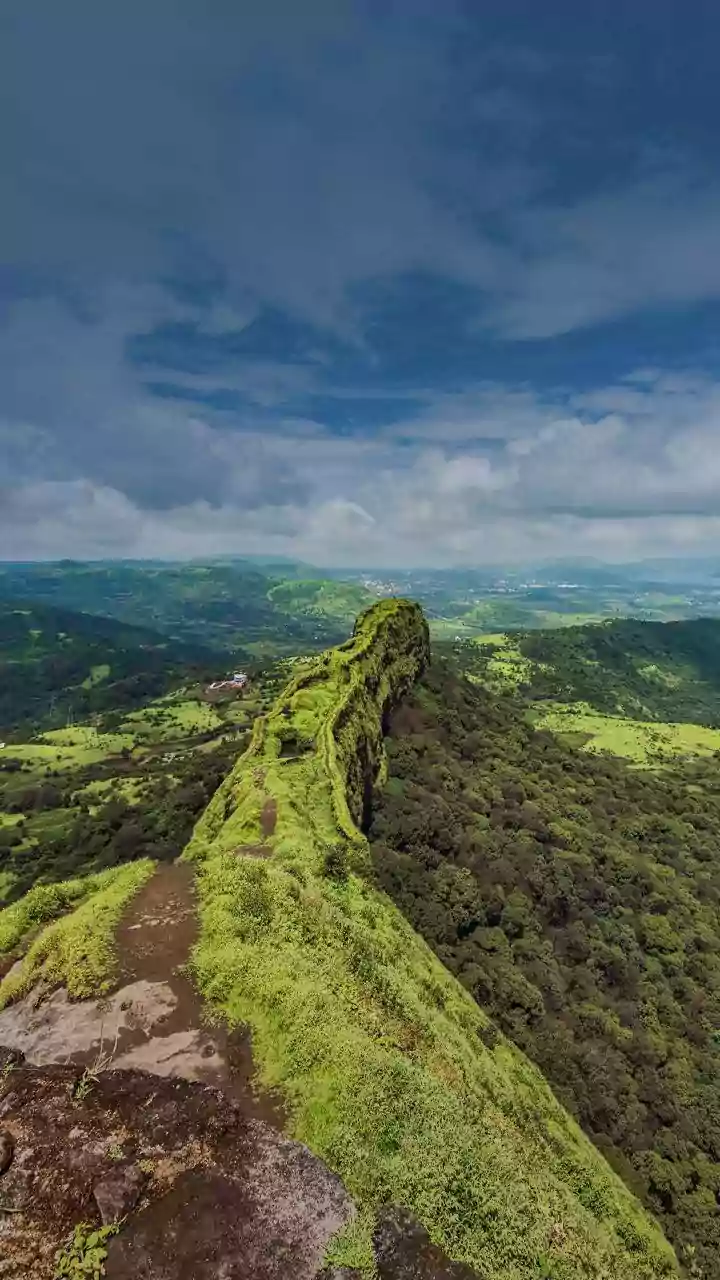
So, what’s driving this change? In part, it’s a reaction against the homogenization of global culture. As the same chain stores and coffee shops appear in every major city, the world can start to feel disappointingly similar. Social media has paradoxically accelerated this feeling. The same ‘Instagrammable’ spots—that infinity pool, that colorful wall, that scenic cliff—are endlessly replicated, creating a sense of digital déjà vu and travel FOMO (fear of missing out) that leaves many feeling empty.
The search for local culture is an antidote to this phoniness. It’s a quest for authenticity in an overly curated world. After years of digital interactions and pandemic-induced isolation, people are craving genuine human connection. They want to learn a story from a shopkeeper, share a meal with a family, or understand the history of a neighborhood from someone who has lived it. This form of travel isn't about bragging rights; it’s about personal enrichment and creating unique memories that can’t be easily replicated or found on a hashtag.
What 'Going Local' Actually Looks Like
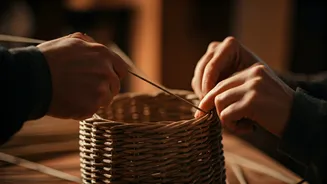
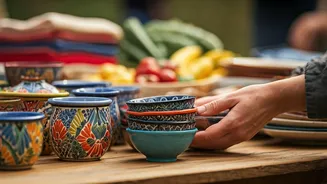
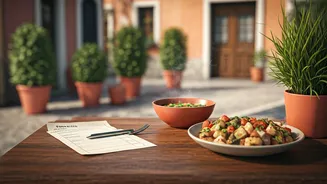
This trend isn't just an abstract idea; it’s changing how people plan and spend their time. It manifests in a preference for boutique hotels or neighborhood Airbnbs over massive, characterless chains. It’s choosing a cooking class in a Tuscan farmhouse instead of a formal restaurant, or taking a pottery workshop from a master artisan in Santa Fe.
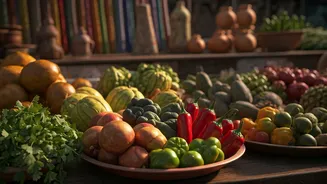
Experiential platforms have boomed by connecting travelers with locals offering niche activities: think foraging for mushrooms in the Pacific Northwest with an expert, learning the history of go-go music in Washington, D.C. from a local musician, or taking a deep dive into a city’s craft beer scene with a brewer. Food tourism, in particular, has become a powerful gateway to local culture. It’s not just about eating; it’s about understanding the context—the markets, the farms, the traditions, and the people behind the plate. These hyper-specific, person-to-person experiences are becoming the anchors of modern itineraries.
A More Sustainable Way to Explore
Beyond personal fulfillment, this focus on local culture has a profound economic and social impact. When travelers spend their money at locally-owned businesses—the corner café, the independent bookstore, the family-run guesthouse—that revenue stays within the community. It supports the very fabric of the place they came to visit, creating a virtuous cycle. This stands in stark contrast to mass tourism, where dollars often flow to multinational corporations, sometimes placing a strain on local infrastructure without providing proportional benefits.
This approach, often called community-based tourism, is inherently more sustainable. It fosters mutual respect between visitors and residents, turning tourism from a transactional relationship into a cultural exchange. By valuing and supporting local traditions, arts, and small businesses, travelers aren't just consumers; they become temporary patrons of a place's unique identity, helping to preserve it for the future.