
Define Zones Without Walls
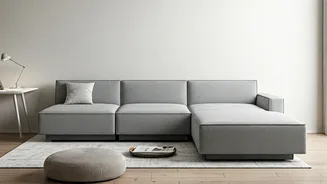
The most effective multitasking rooms don't feel chaotic; they feel intentionally zoned. The secret isn't to build walls, but to create visual and functional boundaries that guide the eye and the body. An area rug is the simplest way to do this. A plush
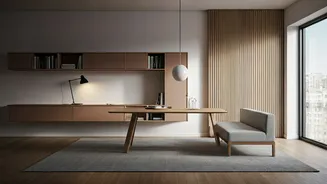
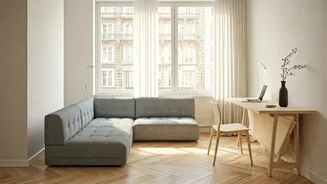
rug can anchor your living room seating area, clearly separating it from the smooth flooring of your dining or office space just a few feet away. Furniture placement is also key. A sofa with its back to a desk creates a psychological partition, signaling a shift from 'work' to 'relax.' Similarly, a well-placed open-backed bookshelf can divide a studio apartment, providing storage while still allowing light to pass through, maintaining a sense of openness.
Embrace Transformer Furniture
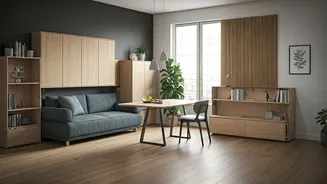
The furniture industry has responded to the small-space challenge with brilliant, high-tech, and stylish 'transformer' pieces. These aren't the clunky, uncomfortable sofa beds of the past. Today, you can find sleek coffee tables that lift and expand to become dining tables for six, elegant wall units that hide a pull-down Murphy bed, and ottomans that contain hidden storage and a flip-over tray top. Investing in one or two high-quality convertible pieces can be a game-changer. Instead of cluttering a room with a bed, a sofa, and a desk, you can have one piece of furniture that becomes what you need, when you need it. This frees up precious floor space, making the room feel larger and more adaptable to your daily rhythm.
Go Vertical with Smart Storage
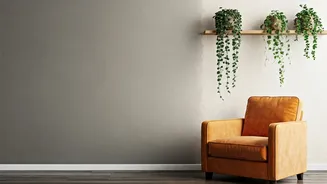
When floor space is at a premium, the only way to go is up. A cluttered room feels small and stressful, undermining any attempt at multitasking. To reclaim your space, think vertically. Floor-to-ceiling bookshelves draw the eye upward, creating an illusion of height, while providing immense storage capacity. Wall-mounted shelving, or 'floating shelves,' are perfect for displaying decor or storing books without taking up a single inch of floor. Look for overlooked storage opportunities: under the bed, over the doorways, and in the corners. Using attractive bins and baskets to conceal clutter on these shelves ensures the look is curated and calm, not chaotic. The goal is to have a designated home for everything, so you can quickly 'put away' one function of the room to make way for another.
Use Lighting to Shift the Mood
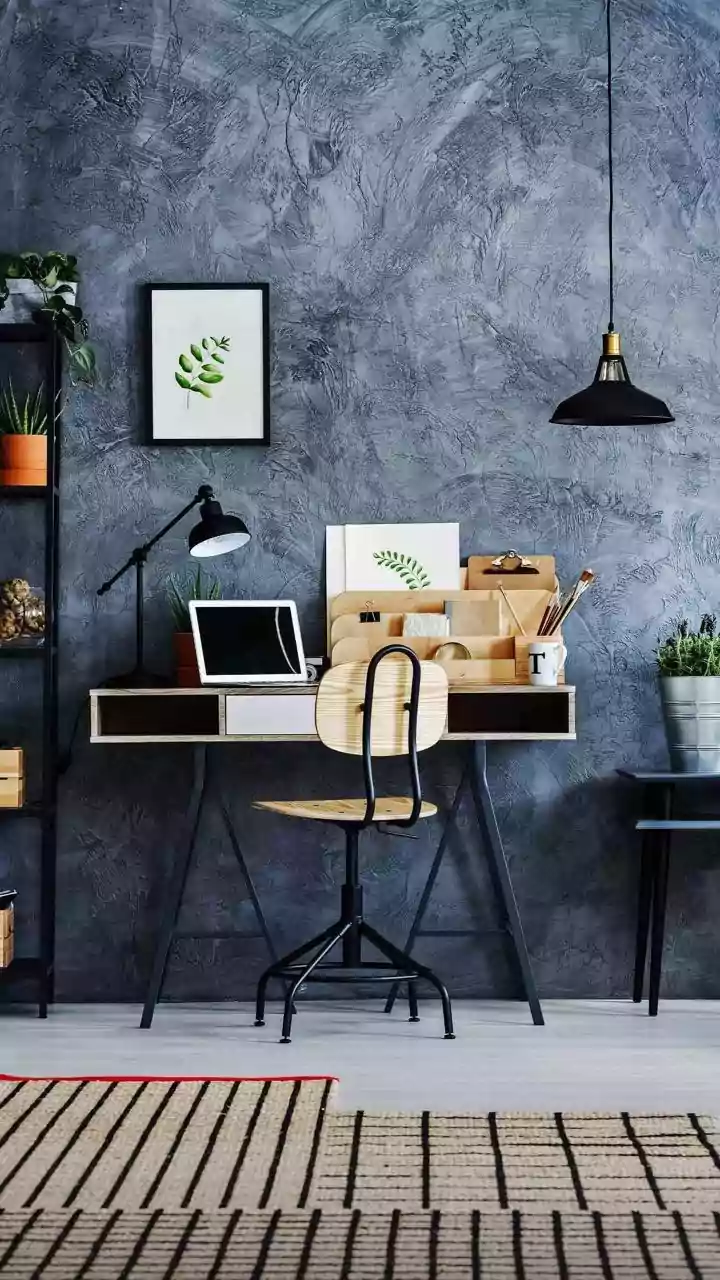
Lighting is one of the most powerful and underutilized tools in interior design, especially in a multifunctional space. A single, harsh overhead light makes a room feel like a warehouse and does nothing to define separate areas. Instead, think in layers. Your 'office' area needs bright, focused task lighting, like a good desk lamp. Your 'living room' zone benefits from warmer, ambient light from a floor lamp or sconces. A 'dining' area might have a low-hanging pendant light to create a sense of intimacy. By putting your lights on different switches and using dimmers, you can completely change the character of the room with the flick of a switch. Turn off the desk lamp and dim the ambient lights, and your productive office instantly transforms into a cozy evening retreat.
Unify Everything with Color and Style
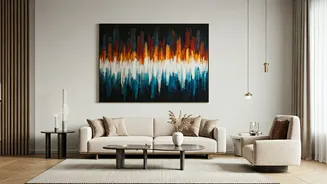
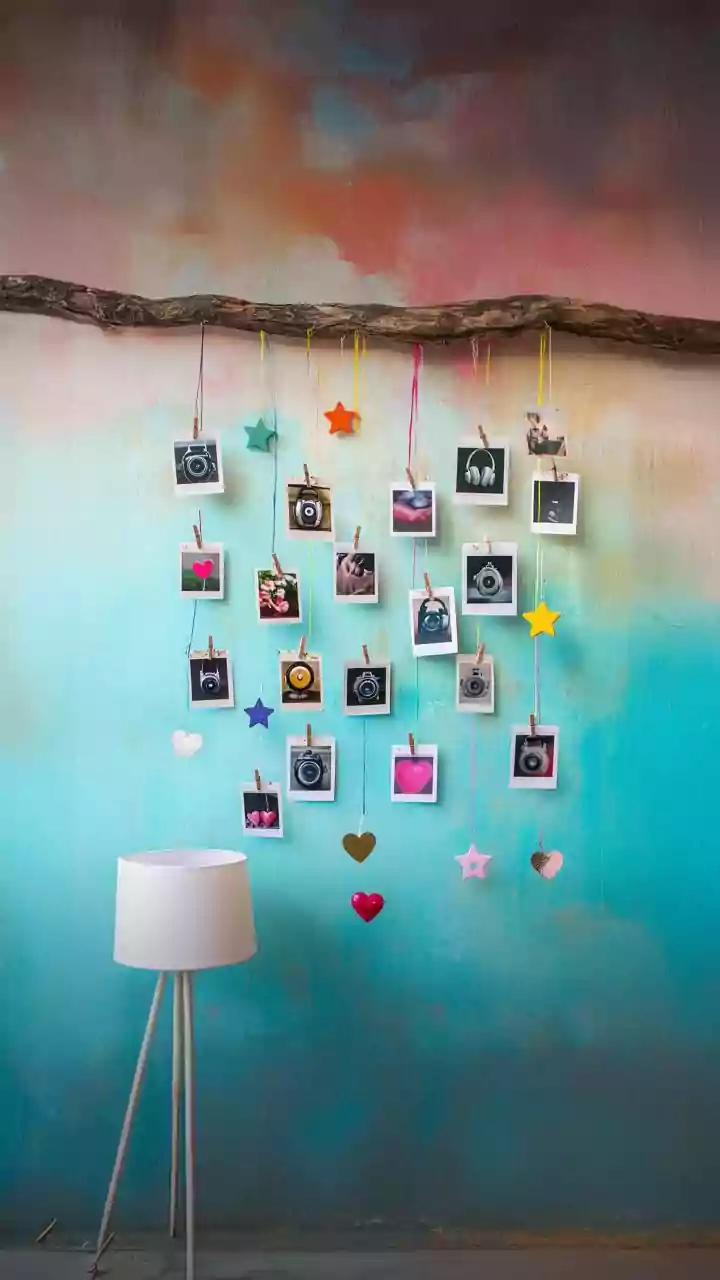
With so many functions happening in one room, it can be easy for the space to feel like a random collection of stuff. The final step in mastering the multitasking room is to tie everything together with a cohesive aesthetic. Choose a limited and consistent color palette—perhaps three main colors—and use it throughout the space. This doesn't mean everything has to be beige. You can use bold colors, but repeating them in the rug, the pillows, the art, and even your desk accessories will create a sense of rhythm and intention. The same goes for style. Whether your taste is mid-century modern, minimalist, or bohemian, applying it consistently across your furniture and decor choices will make the entire room feel like a single, thoughtfully designed space, rather than a living room with a desk awkwardly shoved in the corner.