






Beyond the Basics: The New Fiber Focus
For decades, fiber’s claim to fame was keeping you “regular.” While that’s still a crucial benefit, the current buzz is centered on something far more complex and fascinating: the gut microbiome. Nutritionists and researchers now understand that fiber is not
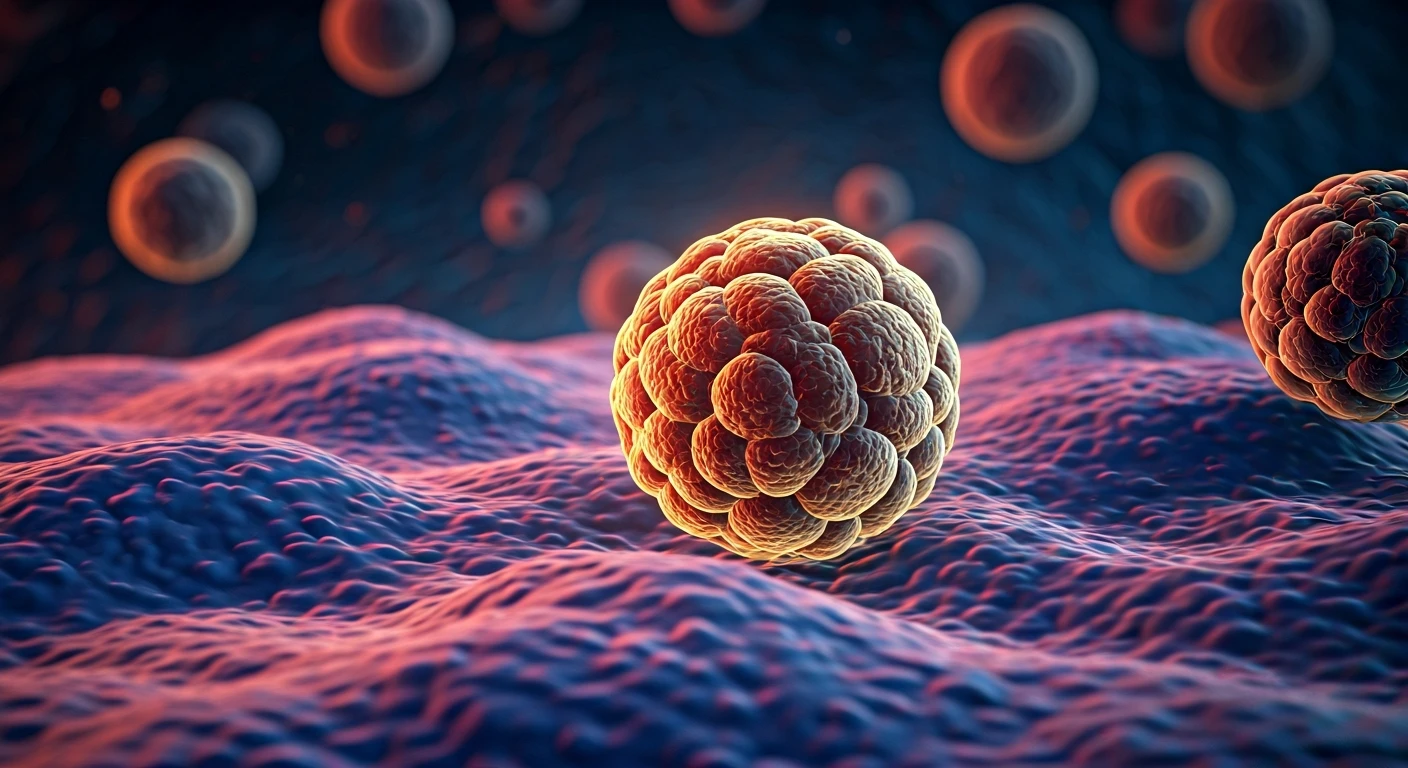
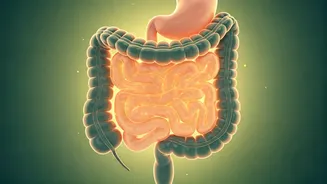
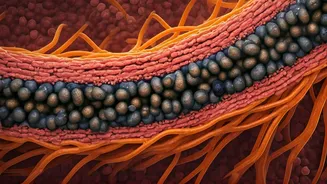
just indigestible roughage passing through your system; it’s a prebiotic, meaning it’s the primary food source for the trillions of beneficial bacteria living in your gut. This shift in understanding has transformed fiber from a simple digestive tool into a cornerstone of holistic health, influencing everything from our immune system to our mental well-being. The trend isn't just about eating more fiber, but eating a wider variety of fiber-rich plants to cultivate a diverse and resilient internal ecosystem.
The Gut-Health Connection
Why do nutritionists love this so much? Because feeding your gut microbes well has a powerful ripple effect. When good bacteria feast on fiber, they produce compounds called short-chain fatty acids (SCFAs), like butyrate. These SCFAs are metabolic powerhouses. They help strengthen the gut lining, reduce inflammation throughout the body, and may even help regulate blood sugar and cholesterol levels. This connection between fiber, gut bacteria, and overall health helps explain why diets rich in fiber are consistently linked to lower risks of chronic diseases, including heart disease, type 2 diabetes, and certain types of cancer. It’s a proactive way to invest in your long-term health, starting with your plate.
Soluble vs. Insoluble: A Quick Guide
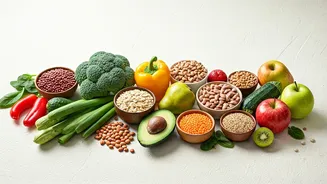
Not all fiber is created equal, and your body benefits from getting both major types. Think of them as a dynamic duo. Soluble fiber dissolves in water to form a gel-like substance in your digestive tract. It's the MVP for lowering cholesterol and stabilizing blood sugar. You’ll find it in oats, barley, nuts, seeds, beans, lentils, peas, and fruits like apples and citrus. Insoluble fiber does not dissolve in water. It acts like a scrub brush, adding bulk to stool and helping waste move through your system more efficiently. This is the type most associated with preventing constipation. It’s abundant in whole grains, wheat bran, nuts, and vegetables like cauliflower, green beans, and potatoes.
Easy, Modern Ways to Boost Your Intake
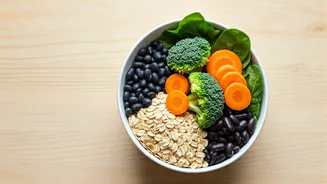
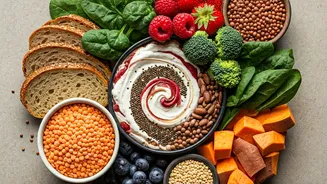
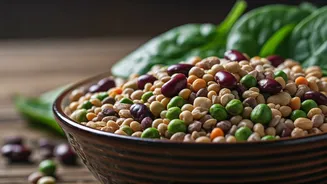
Increasing your fiber doesn't have to mean a complete diet overhaul or a lifetime of bland bran flakes. Small, consistent swaps can make a huge difference. Start by aiming for the recommended daily amount—about 25 grams for women and 38 for men—but increase your intake slowly to give your system time to adjust. Try a few of these simple tricks: * Start the day strong: Add a tablespoon of chia seeds or ground flaxseed to your morning yogurt, oatmeal, or smoothie. * Swap your grains: Choose whole-wheat pasta, brown rice, and 100% whole-wheat bread over their refined white counterparts. * Embrace legumes: Add a can of rinsed black beans to a soup, toss chickpeas into your salad, or make chili with kidney beans. Lentils are also a fantastic, fast-cooking source. * Snack smarter: Reach for a handful of almonds, a pear (with the skin on), or air-popped popcorn instead of processed snacks. * Don't peel: The skins of apples, potatoes, and cucumbers are packed with insoluble fiber.
A Warning on 'Fiber-Washing'
As with any health trend, marketers are quick to jump on the bandwagon. Be wary of highly processed foods that boast “added fiber” on the label. Often, these are sugary cereals, granola bars, or “healthy” cookies fortified with isolated fibers like inulin or chicory root. While these fibers aren't inherently bad, they don’t provide the same synergistic package of vitamins, minerals, and phytonutrients that you get from whole foods. A brownie with added fiber is still a brownie. The goal should always be to get your fiber from a diverse array of whole plant foods first and foremost. Think of it as a diet rich in fiber, not a diet of products with fiber.