



Welcome to the 'Aesthetic' Zone
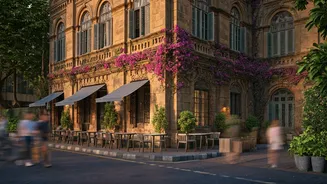
The “portal” isn’t a single location but a feeling, a district, an escape. It’s the unofficial name for the experience found in the leafy, historic lanes of South Mumbai, primarily encompassing the areas of Colaba and Kala Ghoda. Here, the frantic symphony
of auto-rickshaws and street vendors gives way to a quieter, almost European ambiance. Grand Victorian and Art Deco buildings, legacies of the British Raj, line the streets, housing not government offices but independent bookstores, chic cafes, and contemporary art galleries. For a generation raised online, fluent in the language of aesthetics and visual storytelling, this neighborhood isn't just a place to visit—it's a living, breathing content studio. It offers a backdrop that feels both historically significant and perfectly composed for a modern Instagram feed.
The Irresistible Lure of the Curated Moment
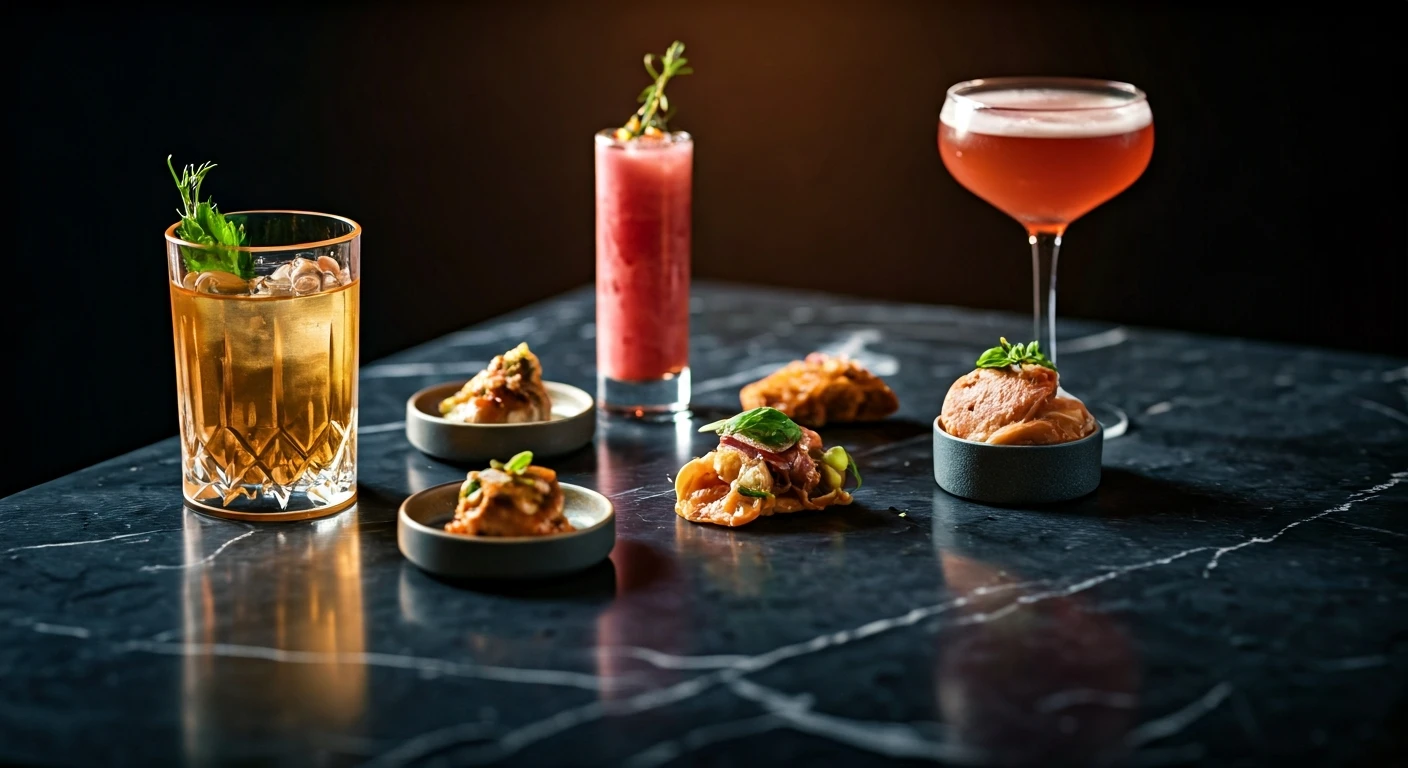
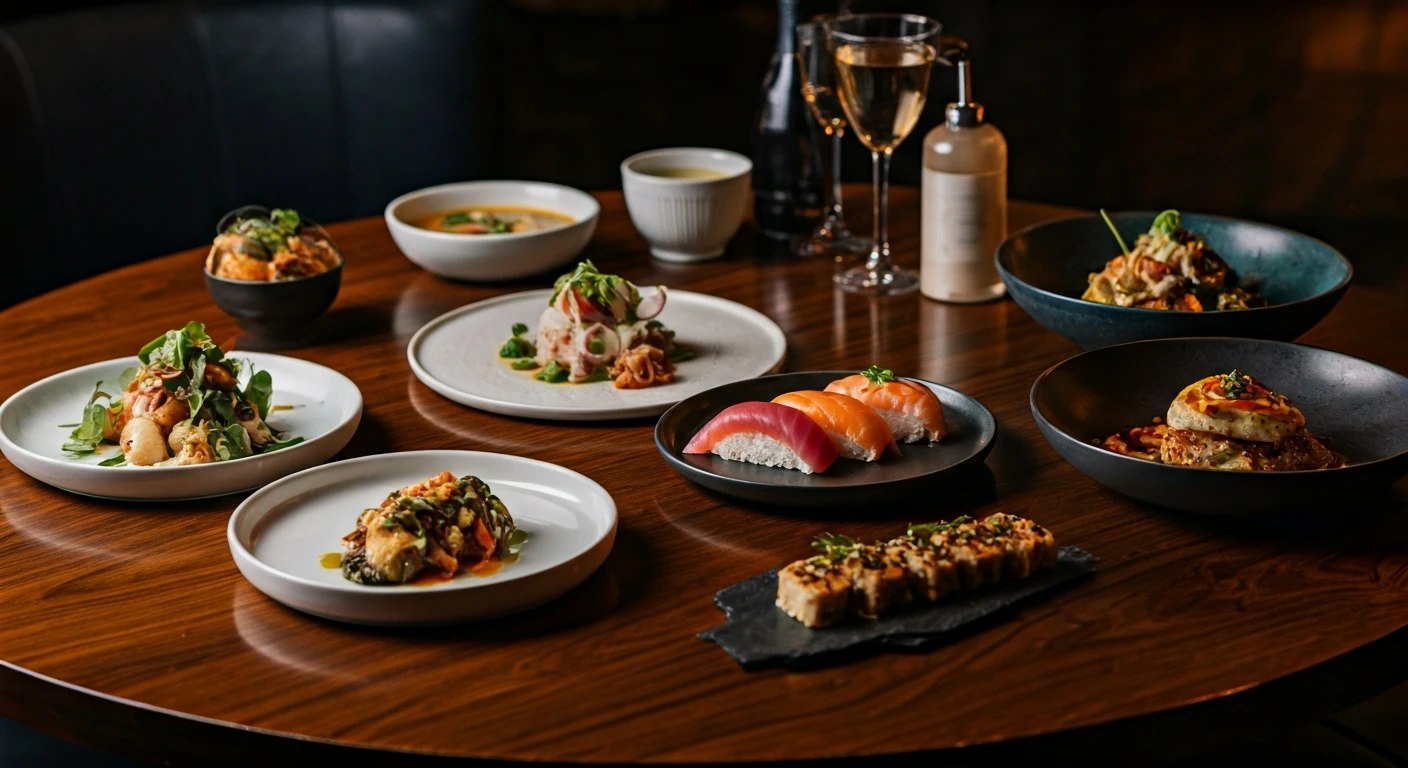
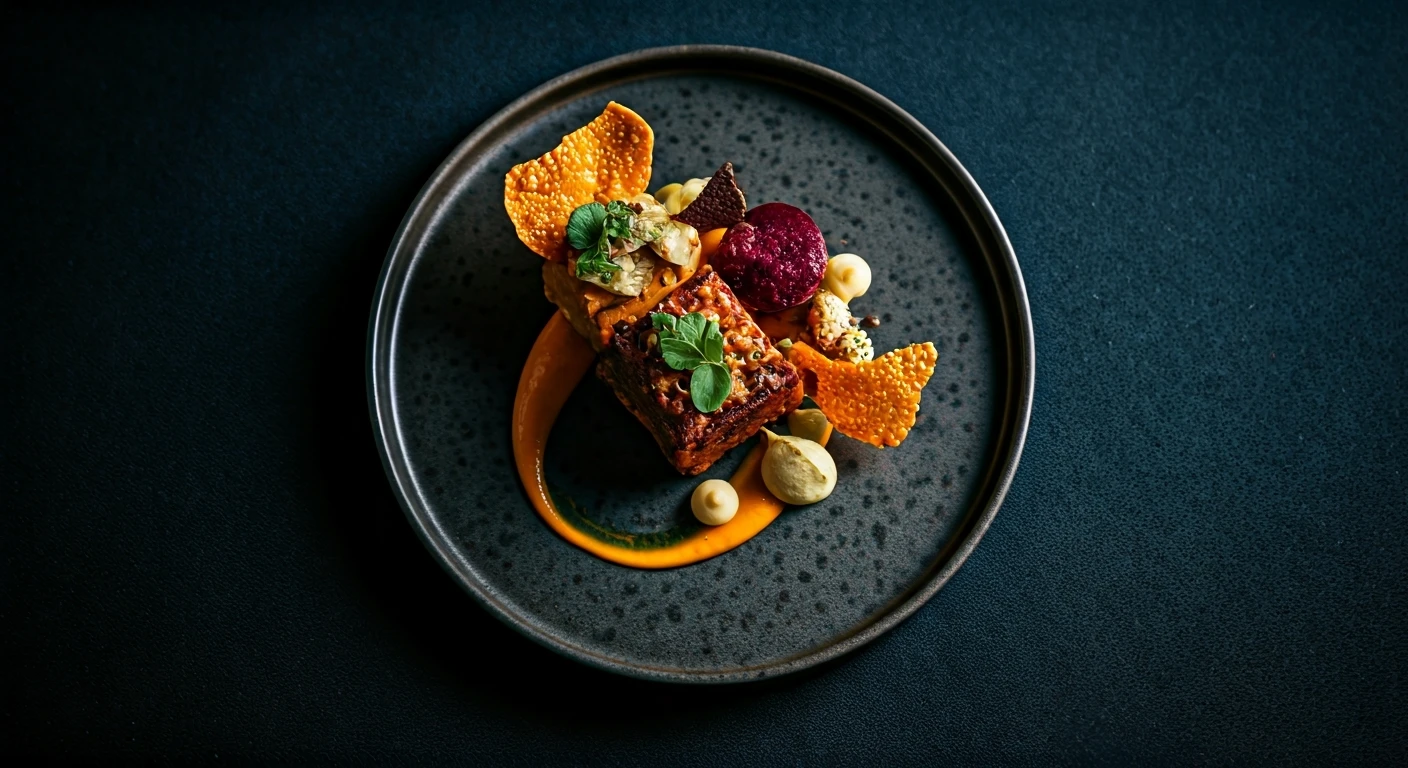
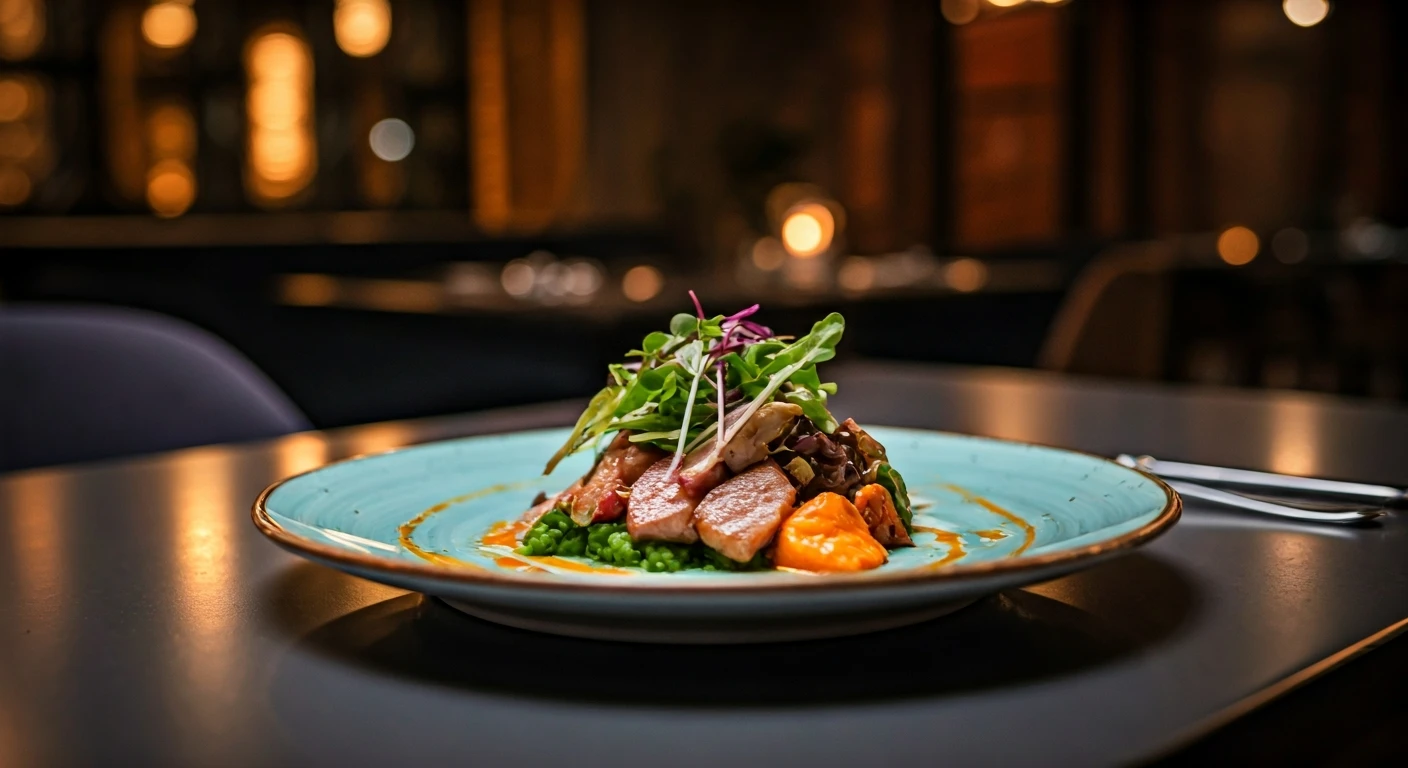
So, what’s the secret formula for tempting Gen Z? It’s a masterful blend of authenticity and photogenic appeal. It starts with the cafes. Places like the iconic Leopold Cafe or the countless new, artisanal coffee shops aren't just for refreshment; they are destinations. Each one offers a unique vibe, from vintage Parsi decor to minimalist modern design, complete with the perfect latte art and avocado toast. Then there's the art. The Kala Ghoda arts precinct, with the Jehangir Art Gallery at its heart, is surrounded by smaller, edgier galleries and vibrant street murals. This creates a landscape where every corner offers a potential photo op. Unlike a sterile, purpose-built tourist trap, this area feels discovered. It’s the promise of stumbling upon a hidden gem—a beautiful doorway, a quiet courtyard, a perfectly framed shot—that powers its appeal. It’s not just about being there; it’s about capturing the experience in a way that feels personal and unique.
More Than Just a Pretty Picture
But to dismiss this as just a Gen Z thirst trap would be missing the point. The appeal runs deeper than a well-composed photo. This part of Mumbai represents a confluence of old and new that resonates with a generation wary of generic, mass-produced culture. You can wander from a high-end designer boutique to a bustling street market like Colaba Causeway, where you can haggle for silver jewelry and vintage-style sunglasses. You can explore the Chhatrapati Shivaji Maharaj Vastu Sangrahalaya (formerly the Prince of Wales Museum) and then grab a cold-pressed juice at a wellness cafe next door. This blend of high and low, historic and hyper-modern, allows visitors to curate their own adventure. It's an active, participatory form of tourism, rather than the passive consumption of landmarks. It taps into the Gen Z desire for experiences that feel authentic, self-directed, and layered with meaning.
A Global Story with Indian Flavor
Ultimately, the magnetic pull of South Mumbai’s cultural hub isn't an isolated phenomenon. It’s a localized version of a global Gen Z trend. You can see parallels in the meticulously preserved-yet-trendy neighborhoods of DUMBO in Brooklyn, Le Marais in Paris, or Shimokitazawa in Tokyo. These are all places where history isn't just a backdrop but an active ingredient in a modern, creative scene. Young people worldwide are seeking out urban spaces that offer a sense of place, community, and aesthetic pleasure. What makes Mumbai’s version so compelling is its distinctively Indian flavor—the fusion of colonial architecture with the vibrant, entrepreneurial spirit of modern India. It’s a testament to a city’s ability to reinvent itself not by erasing its past, but by remixing it for a new generation that knows exactly what it wants to see, feel, and share.