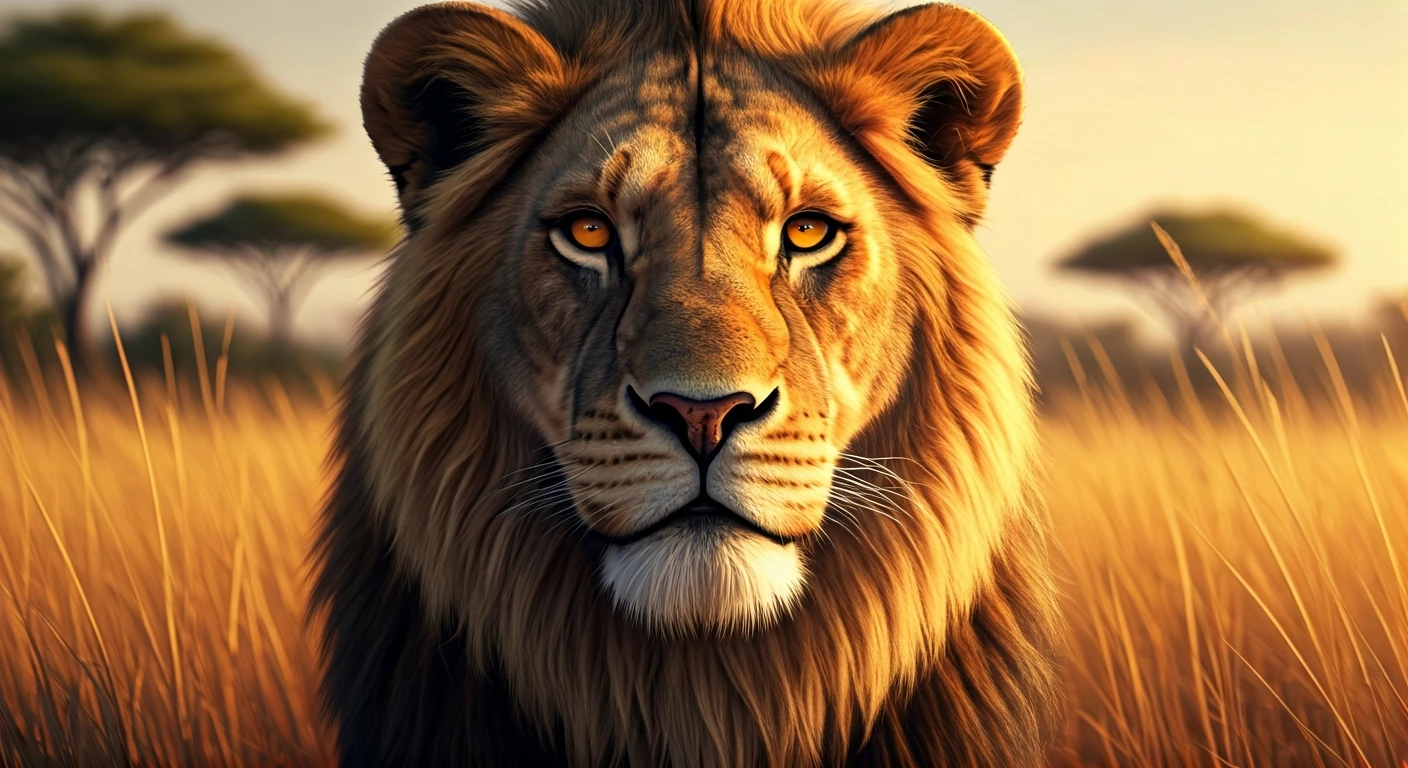




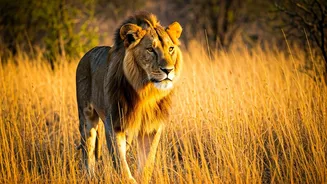


The Last Kingdom of the Asiatic Lion
Before we get to the timing, it’s crucial to understand the place. Gir National Park is more than just a wildlife sanctuary; it is a fortress of conservation, the last wild refuge on Earth for the Asiatic lion. Once roaming across the Middle East and Asia,
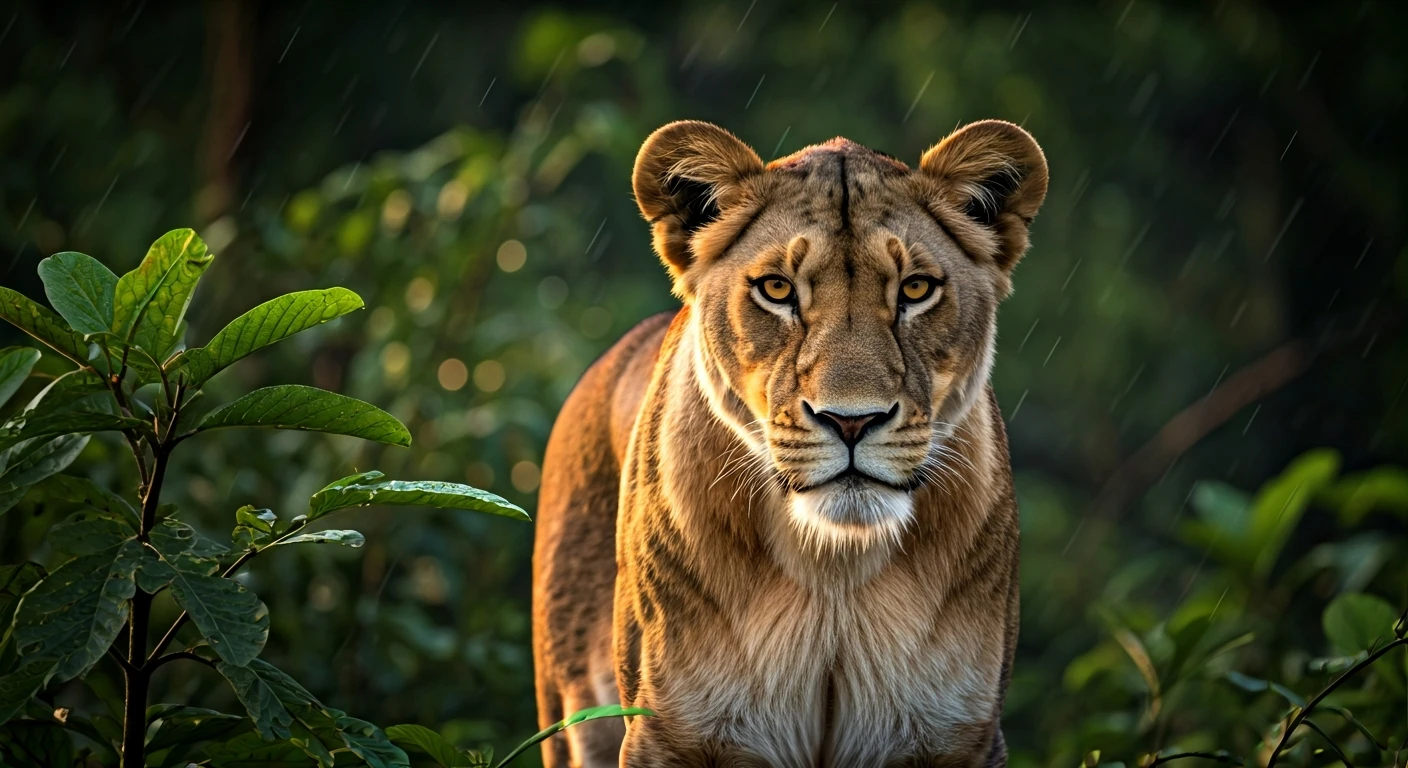
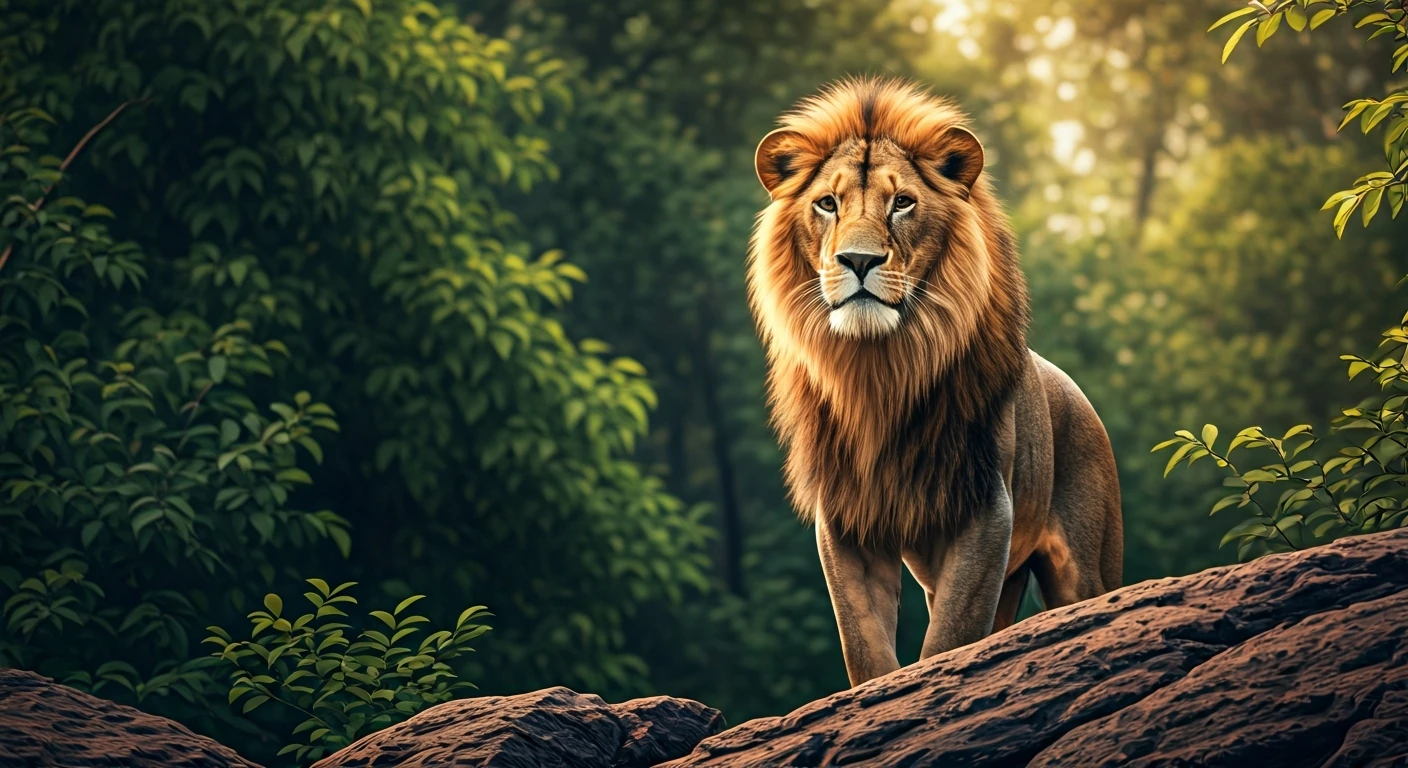
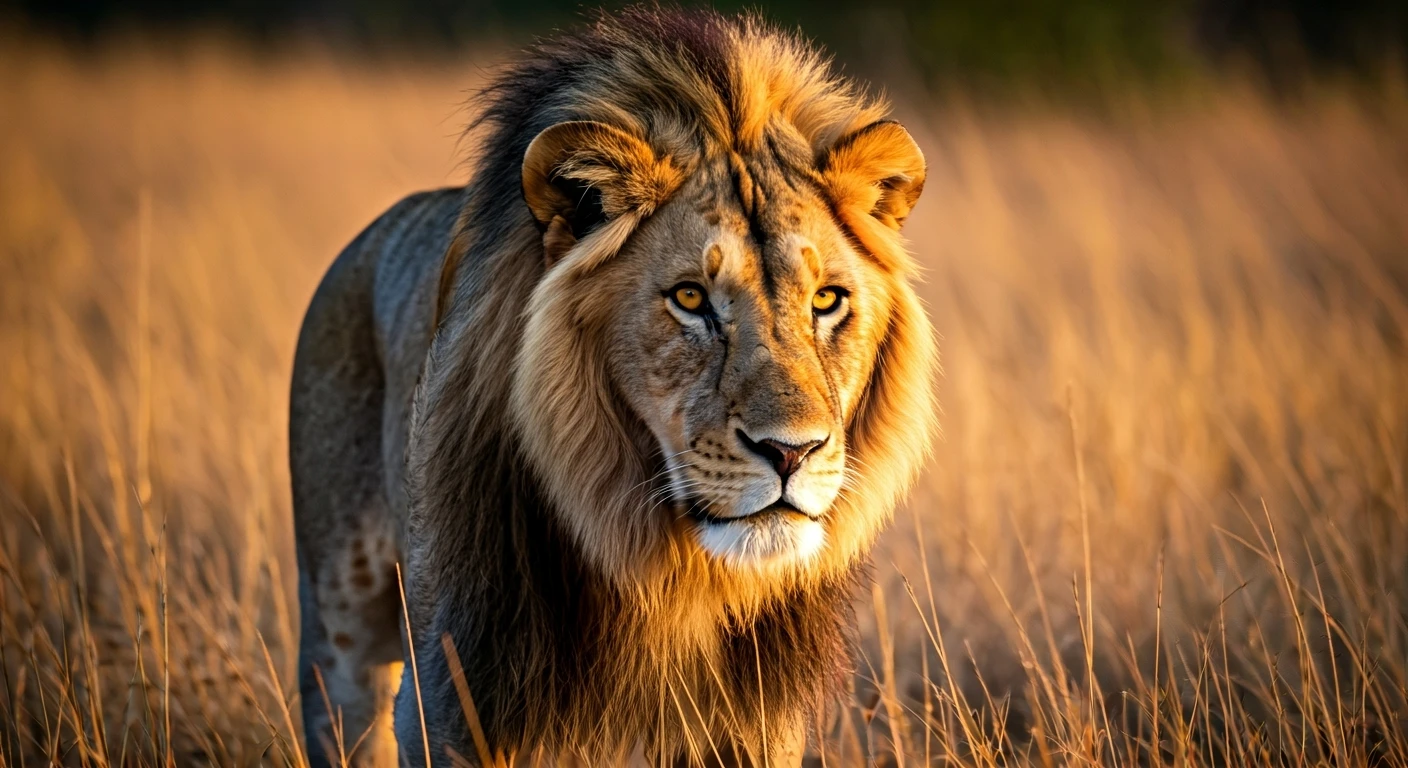
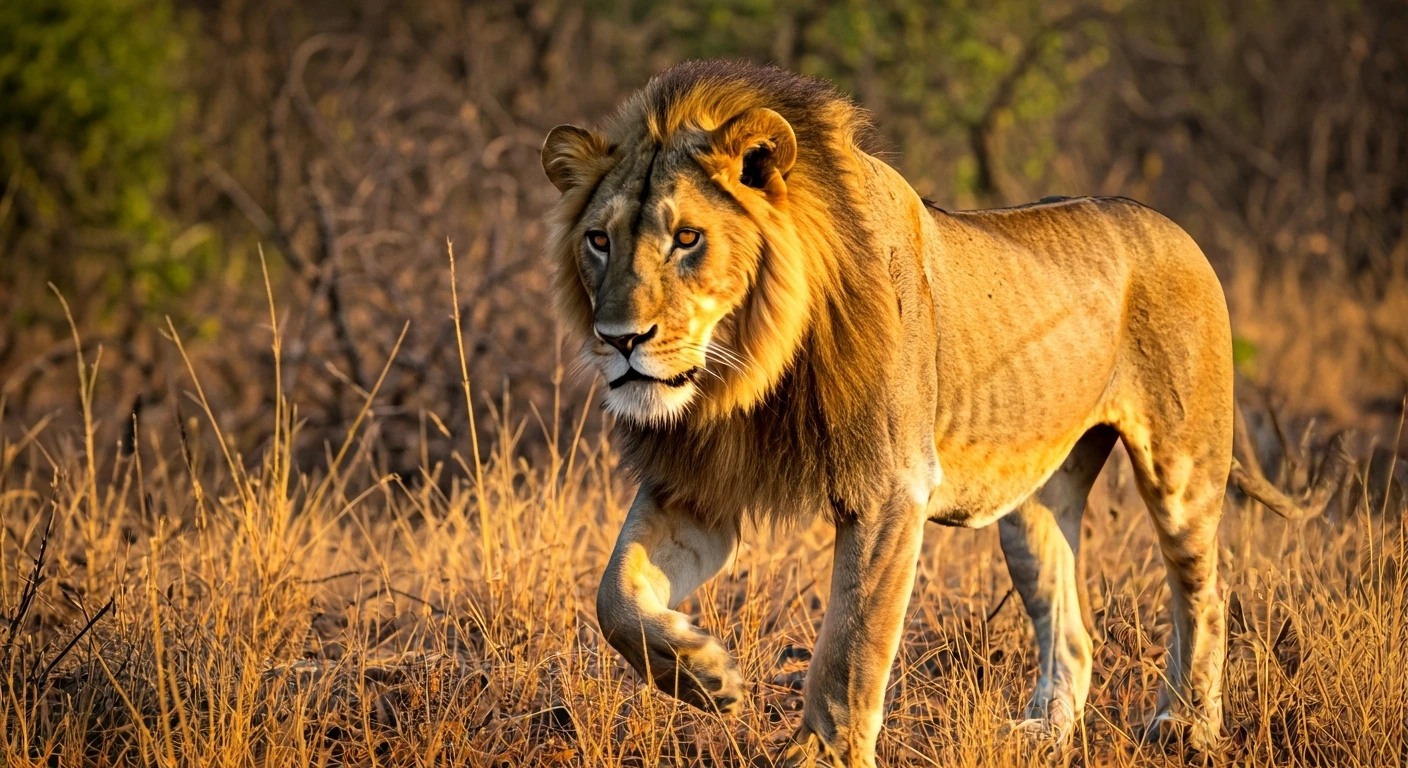
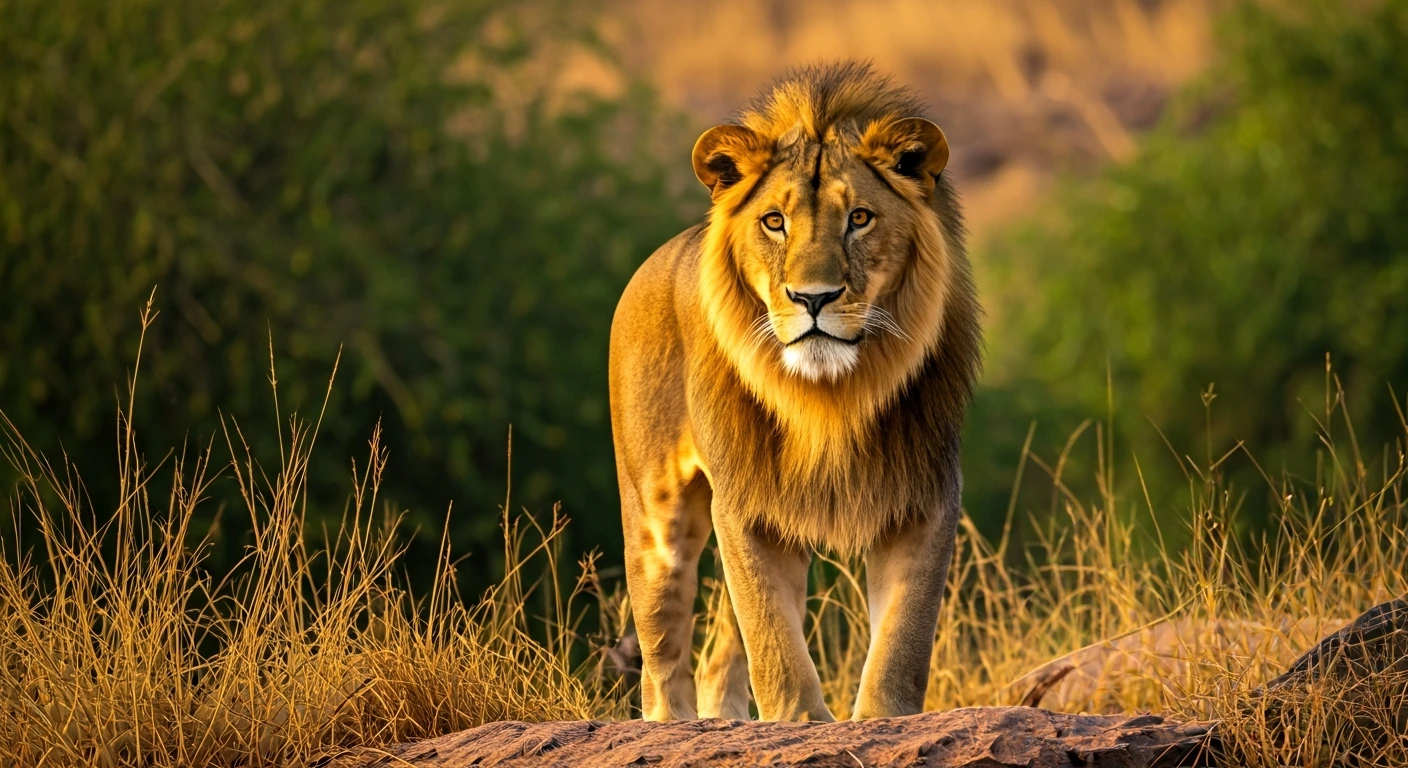
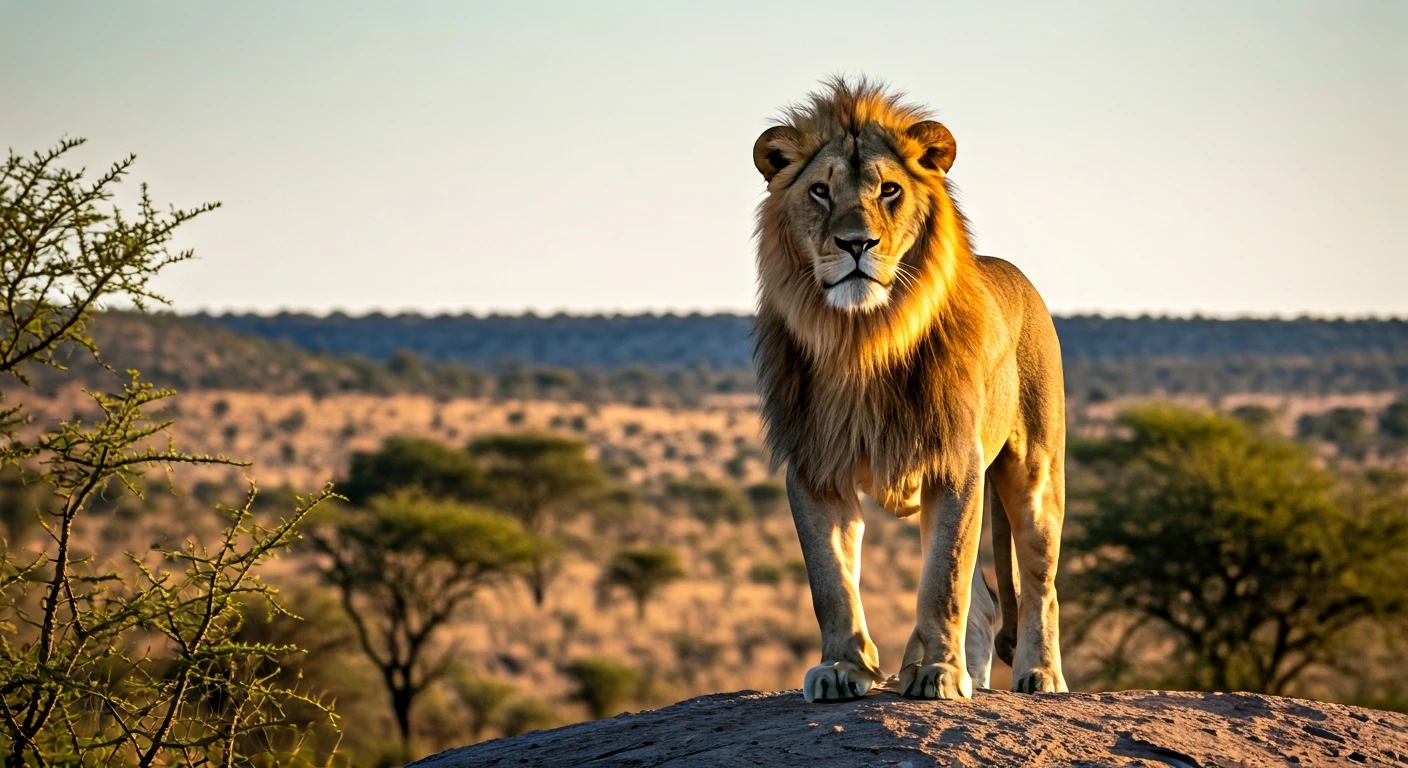
this magnificent subspecies was hunted to the brink of extinction, with a mere 20 individuals remaining in the early 20th century. Today, thanks to decades of dedicated conservation efforts, their numbers have rebounded to over 600, all living within this protected ecosystem in the Indian state of Gujarat. Seeing a Gir lion isn’t just spotting a big cat; it’s witnessing a living, breathing miracle of survival. Unlike their African cousins who command the vast open savanna, these lions have adapted to a dry, deciduous forest, creating a unique viewing experience that feels both intimate and profoundly special.
The Pre-Monsoon Advantage
So, why is the period from March to early June—right before the park closes for the monsoon—considered the ultimate time for sightings? It comes down to a simple, primal need: water. As the relentless sun beats down, the park’s landscape transforms. Lush greenery recedes, leaving a palette of browns and golds. The forest floor becomes a crackling carpet of dry leaves, making it harder for animals to move silently. Most importantly, the dozens of small water sources scattered throughout the forest evaporate, leaving only a few key, man-made waterholes. For the lions, leopards, deer, and countless other species, these become critical gathering points. The animals are forced out of the dense forest interiors and into predictable locations to quench their thirst. For a visitor on safari, this ecological squeeze is a massive advantage. The thinner vegetation offers clearer lines of sight, and the congregations around water mean you spend less time searching and more time observing.
An Ecosystem on Full Display
While the promise of seeing a pride of lions is the main draw, the pre-monsoon season puts Gir’s entire ecosystem on display. The focus on waterholes creates incredible scenes of coexistence and tension. Herds of spotted deer (chital) and sambar, the largest deer in India, nervously approach the water's edge, their ears swiveling for any sign of danger. Crocodiles, known as muggers, lie in wait, barely distinguishable from logs. Elusive leopards are also more frequently seen during this period, often competing with lions for resources. The birdwatching is also spectacular. Peacocks display their brilliant plumage against the dusty backdrop, while crested serpent eagles and changeable hawk-eagles scan for prey from bare branches. The entire landscape, though harsh, is teeming with life that has adapted to thrive in these challenging conditions. A trip to Gir during this time is a masterclass in the delicate balance between predator and prey.
What to Expect on Safari
A pre-monsoon safari in Gir is not for the faint of heart. Be prepared for intense heat, with daytime temperatures often soaring above 100°F (40°C). Safaris are conducted in open-top jeeps, called “gypsies,” primarily in the early morning and late afternoon to avoid the worst of the midday sun. An early start, often before dawn, is essential. The cool morning air provides a brief respite and is when the animals are most active. A knowledgeable guide and a skilled tracker are your greatest assets. They can read the signs—a fresh paw print in the dust, an alarm call from a deer—that can lead you to an unforgettable sighting. Patience is key. There will be long stretches of driving through the dusty teak forest, the anticipation building with every turn. But when your guide suddenly cuts the engine and points toward a lioness leading her cubs to a drink, the heat, dust, and early start all melt away into a single, perfect moment.