





The Ride-Share Ripple Effect
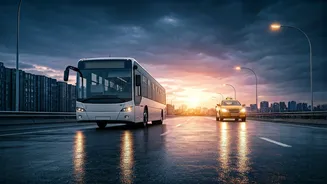
The most immediate and obvious financial hit comes from transportation. The moment raindrops start falling in a major city, two things happen simultaneously: thousands of people who would have walked or biked suddenly decide they need a ride, and many
drivers decide they’d rather not be on the slick, congested roads. This creates a perfect storm of soaring demand and shrinking supply. Ride-sharing apps like Uber and Lyft, which run on dynamic pricing algorithms, respond instantly. That $15 ride from your hotel to the museum can easily become $40 or more. This “surge pricing” isn’t a penalty; it’s a market mechanism designed to incentivize more drivers to get on the road. But for the traveler caught in the lurch, it feels like paying a premium just to stay dry. The effect is most pronounced in cities that are highly dependent on ride-sharing and have less robust public transit alternatives.
The Great Indoor Scramble
When your beach day or city walking tour is washed out, you and every other tourist in town have the same idea: let's do something indoors. This creates a sudden, massive demand spike for a limited set of activities. Museums, aquariums, movie theaters, bowling alleys, and popular indoor attractions can see their attendance swell. While many museums have fixed ticket prices, a growing number of venues are adopting dynamic pricing models, especially for timed-entry slots. If you wait until the rain starts to book your ticket online, you may find that the only available times are more expensive “peak” slots. Even for places with flat pricing, the sudden rush can mean paying for a pricey attraction you weren't planning on, simply because it's the only option available. Your carefully planned budget, which accounted for free outdoor activities, is suddenly forced to accommodate a costly Plan B.
Chaos at the Airport
Nowhere are the financial consequences of bad weather more dramatic than at the airport. A single storm system over a major hub like Dallas, Chicago, or Atlanta can trigger a cascade of delays and cancellations across the country. If your flight is canceled, you’re thrown into a frantic competition with hundreds of other displaced passengers for a limited number of seats on the next available flights. Airlines may rebook you for free, but often on a flight that leaves a day or two later. If you need to get to your destination sooner, you might be forced to buy a new, last-minute ticket on another carrier at an exorbitant price. Furthermore, a wave of cancellations creates an instant, localized demand spike for hotel rooms near the airport. Hoteliers are well aware of this phenomenon, and room rates can double or triple within hours of a mass cancellation announcement.
How to Stay Dry and Solvent
You can’t control the weather, but you can control your response to it. A little foresight can protect your wallet from these rainy-day price gouges. First, always have a pre-researched rainy-day plan. Identify a few low-cost or free indoor options, like a lesser-known gallery or a historic library, before you even leave for your trip. Second, when booking flights, try to avoid tight connections through airports known for weather delays, especially during volatile seasons. Consider travel insurance that specifically covers weather-related cancellations and interruptions. Finally, get familiar with local public transit. Having the city’s bus or subway app on your phone can save you from surge-priced rides. Being prepared doesn't just save you money; it saves you the stress of scrambling, allowing you to salvage the day without soaking your budget.