




From Necessity to Aspiration
Let’s be honest: the initial push toward smaller living spaces wasn't purely aesthetic. For millions of Americans, especially in major cities like New York, San Francisco, and Boston, the math simply stopped working. Sky-high rents and unattainable home
prices made sprawling apartments or single-family homes a distant dream. The micro-apartment, the studio, and the Accessory Dwelling Unit (ADU) became a practical necessity. But something interesting happened along the way. As more people adapted to smaller footprints, a cultural shift began. The narrative changed from one of sacrifice to one of savvy choice. Living with less stuff in a smaller, more manageable space started to be framed not as a limitation, but as a liberation. It meant lower utility bills, less time spent cleaning, and more money for experiences like travel, dining, and hobbies. This economic reality, paired with a growing weariness of consumerism, created the perfect conditions for compact living to be rebranded as a desirable, intelligent lifestyle choice.
The Triumph of Smart Design
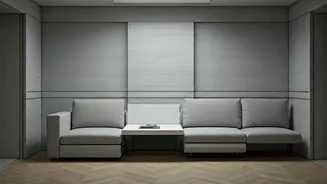
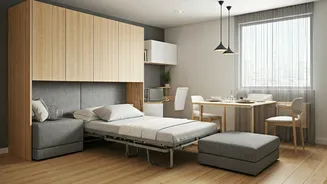
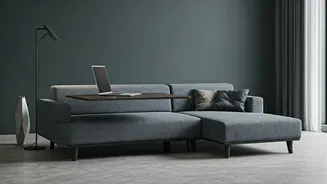
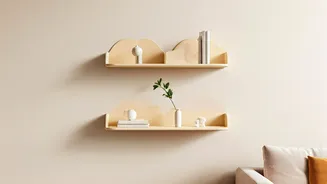
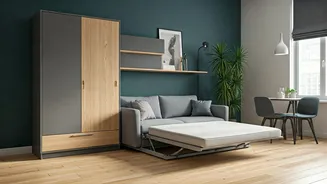
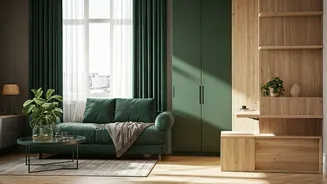
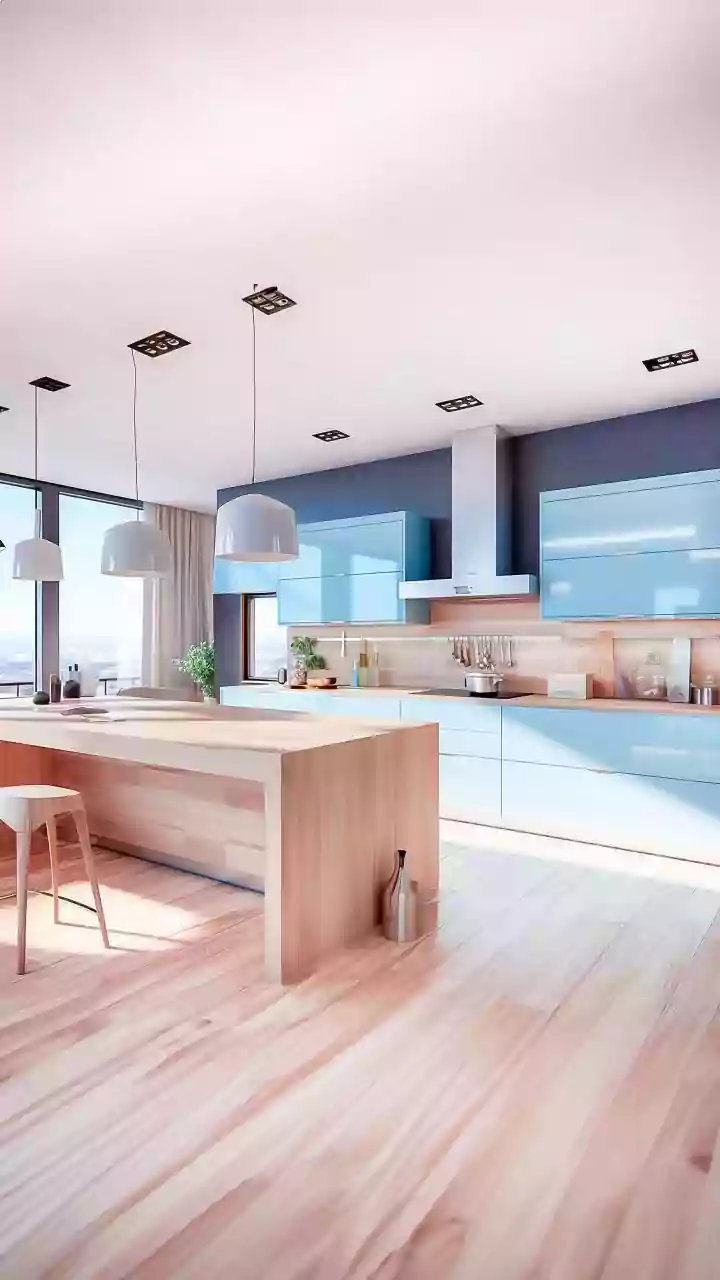
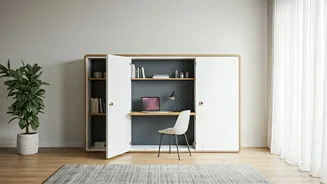
A small space is only as good as its design, and this is where the “stylish” part of the equation truly comes alive. The modern compact home is a masterclass in efficiency, borrowing from Japanese minimalism, Scandinavian functionality (hello, IKEA), and the ingenuity of boat and RV design. The key is no longer just about shrinking furniture, but about making every square inch work harder. We’re seeing a boom in brilliant, multi-functional pieces that transform to meet different needs. A coffee table rises to become a dining table for six. A sleek wall unit hides a pull-down Murphy bed that reveals a built-in sofa when stored. Kitchens feature compact, high-performance appliances, from drawer-style dishwashers to narrow-profile refrigerators that don't sacrifice quality. Designers are also mastering visual tricks: using mirrors to create a sense of depth, employing light color palettes to make rooms feel airy, and building vertically with floor-to-ceiling shelving to draw the eye upward and maximize storage. It’s not about having less; it’s about having smarter.
A Smaller Footprint, A Bigger Life
This trend dovetails perfectly with two other major cultural movements: sustainability and minimalism. Many people are actively seeking ways to reduce their environmental impact, and a smaller home is one of the most effective ways to do so. It requires less energy to heat and cool, encourages more mindful consumption (since you have nowhere to put excess stuff), and often promotes a more walkable, less car-dependent lifestyle if located in a dense area. This ethos is amplified by the minimalist philosophy popularized by figures like Marie Kondo, which encourages people to own only things that “spark joy.” In a compact home, this isn't just a philosophy; it’s a practical requirement. The result is a curated, highly personal space where every object has a purpose and a place. This intentionality is, in itself, a form of luxury. The focus shifts from accumulating possessions to cultivating a life rich with freedom and experience, funded in part by the savings on housing.
The New Symbols of Style
For decades, the American symbol of success was the sprawling suburban house with a three-car garage. Today, for a growing segment of the population, the new status symbol is a cleverly designed, beautifully appointed small space. It speaks to a different set of values: efficiency, resourcefulness, and a rejection of excess. The rise of the high-end tiny home and the architect-designed ADU are prime examples. These aren't just sheds in a backyard; they are marvels of modern design, featuring high-end finishes, custom millwork, and seamless integration of indoor and outdoor living. In luxury apartment buildings, the most coveted units aren’t always the largest penthouses, but the perfectly designed studios with stunning views and access to premium amenities. The brag isn't “look how much space I have,” but “look how much style and function I can achieve in this space.” It’s a quiet confidence that signals you value design over sheer dimension.