



The Color of Calm and Legend
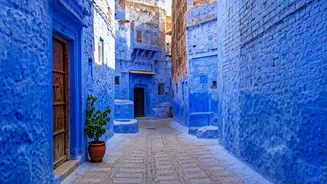
Jodhpur’s most famous feature isn't a single monument, but a collective identity. The old city, nestled at the foot of the colossal Mehrangarh Fort, is a labyrinth of buildings painted in varying shades of blue. Stand on any rooftop, and the view is an undulating
ocean of azure rooftops and walls, punctuated by the sounds and smells of daily life. The origin of the color is a topic of local debate and legend. The most common theory links the blue hue to the city’s Brahmin (priestly caste) residents, who historically painted their homes this color to distinguish them. Another practical theory suggests that the copper sulphate and limestone mixture, which produces the iconic indigo, acts as a natural insect repellent against termites. Others simply say it keeps the houses cool under the punishing Rajasthan sun. Whatever the true reason, the effect is undeniable: the color creates a sense of serene cohesion, a calming visual antidote to the desert’s golden glare.
A Fortress Overhead, a Labyrinth Below
You can’t understand Jodhpur’s vibe without acknowledging the immense structure that looms over it. Mehrangarh Fort is not just a tourist attraction; it's the city's anchor, a hulking masterpiece of Rajput architecture that seems to grow organically from its rocky perch. Its imposing walls, which once protected the city, now offer the most breathtaking panoramas of the blue sprawl below. For a creative mind, the contrast is everything. From the fort, you see order in the chaos. But down in the labyrinthine streets of the old city—the Brahmapuri district—the experience becomes immersive and sensory. The narrow alleyways, too tight for cars, force a slower pace. You walk, you observe, you get lost. Every turn reveals a new scene: a cow lazily chewing in a cerulean doorway, children playing cricket against a sapphire wall, the intricate patterns of a textile merchant's wares spilling into the street. It’s this interplay between the grand, historical scale and the intimate, human-level detail that photographers and artists find so compelling.
The Intensity of a June Canvas
Visiting Jodhpur in June isn't for the faint of heart. It’s the pre-monsoon season, when temperatures soar and the sun is relentless. Yet for many creatives, this intensity is part of the appeal. The harsh light creates deep, dramatic shadows that sculpt the city’s architecture in stark relief, turning a simple alley into a study of light and form. The heat enforces a different rhythm. Mornings are for exploration, but the blistering midday hours are for retreat—a time for sketching in a cool café, writing in a quiet haveli courtyard, or processing the morning’s photographs. Life re-emerges in the late afternoon as the sun dips, casting a golden glow that sets the blue walls on fire. This forced slowdown encourages observation over action, contemplation over consumption. It’s a photographer’s dream, where the quality of light dictates the day’s entire creative process.
A Modern Bohemian Hub
While steeped in history, Jodhpur is not a city trapped in its past. In recent years, it has blossomed into a hub for a new generation of creatives. Boutique hotels and guesthouses, often housed in beautifully restored havelis (traditional mansions), cater to international travelers seeking authenticity. Step into the markets around clocktower, and you’ll find that the city’s long-standing artisan traditions—in leatherwork, textiles, and handicrafts—are alive and well. Young designers are reinterpreting traditional block prints, and contemporary art galleries are popping up alongside spice merchants. This fusion of old and new makes Jodhpur a dynamic place. It’s a city where an Instagram influencer might be composing a shot just feet away from a craftsman using techniques passed down through generations. This energy, this sense of a living culture that both honors its past and embraces the present, is the true 'vibe' that continues to capture creative minds.