






The Rise of the 'Pet Parent'
The American pet industry has been on a rocket ship for years, but the pandemic-era surge in adoptions supercharged it into a nearly $140 billion-a-year behemoth. More importantly, it solidified a major cultural shift. We've moved decisively from being
'pet owners' to 'pet parents.' This isn't just semantics; it's a fundamental change in how we view our relationship with the animals in our homes. They aren't just companions; they are furry, four-legged (or winged, or scaled) family members. And what do you do for family? You invest in their health, happiness, and well-being. This mindset is the engine driving the entire market, pushing spending far beyond the traditional staples of food and vet visits. Our shopping habits are a direct reflection of this emotional investment, and they reveal a new set of priorities for the modern household.
From a Quick Wash to a Spa Day
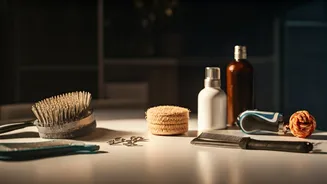
The grooming aisle has undergone a complete makeover. It’s no longer a sad-looking shelf of generic shampoo and a single-style brush. Today, it looks more like the beauty section at a high-end department store. We’re seeing a boom in specialty products: pH-balanced shampoos for sensitive skin, leave-in conditioners with argan oil, soothing paw balms, and dental hygiene kits that rival our own. This isn't about basic cleanliness; it's about wellness. At-home grooming became a necessity during lockdowns, but many pet parents discovered they could provide a spa-like experience for their animals. It serves two purposes. First, it saves money on professional grooming appointments. Second, and perhaps more importantly, it has become a bonding activity. Gently brushing a cat or giving a dog a warm massage with a conditioning treatment reinforces the connection we crave with our pets. It’s a tangible act of care that makes both the human and the animal feel good.
The War on Canine and Feline Boredom
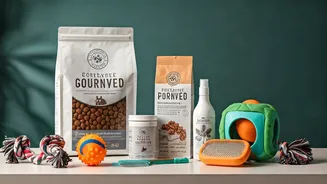
The humble tennis ball and feather-on-a-stick have also been forced to make room for a new class of sophisticated toys. The key buzzword here is 'enrichment.' As we return to offices and busier social schedules, pet parents are wrestling with guilt over leaving their animals home alone. The solution? A flood of products designed to engage a pet’s mind, not just their muscles. Puzzle feeders that require a dog to slide panels or spin levers to get treats are best-sellers. LickiMats slathered with peanut butter or yogurt provide a calming, self-soothing activity. Electronic toys that mimic prey and move unpredictably keep cats engaged when their humans are on Zoom calls. This trend is a direct response to a better understanding of animal behavior. We now know that a bored pet is often a destructive or anxious pet. These enrichment toys are seen less as an indulgence and more as an essential tool for maintaining a pet's mental health and a peaceful home.
What Our Carts Say About Us
Ultimately, the surge in grooming and toy sales tells a story about us. We live in an anxious, digitally saturated world, and our pets provide a powerful, grounding source of unconditional love. Investing in their comfort and happiness is, in a way, a form of self-care for us. Making our dog’s coat shine or watching our cat triumphantly solve a food puzzle provides a hit of pure, simple joy that can be hard to find elsewhere. Retailers like Chewy and Petco have leaned into this, using data to merchandise their sites around these 'solutions'—solutions for anxiety, for boredom, for wellness. When we add a waterless shampoo foam or a snuffle mat to our cart, we’re not just buying a product. We’re buying a little piece of peace of mind, affirming our role as a caring and responsible parent to a creature we love.