
The Rise of the Artful Everyday
Not long ago, the pinnacle of aspirational food online was either a Michelin-starred foam or a gloriously messy, cheese-pulling burger. Food was either high art or low-key indulgence. But a new middle ground has emerged. Driven by platforms like TikTok
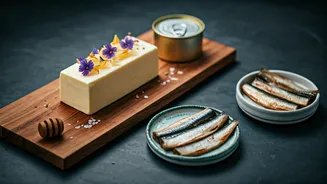
and Instagram, there’s a growing movement dedicated to making simple, accessible food look utterly beautiful. Think of the viral “butter board,” a concept popularized by food influencer Justine Doiron. It was, at its heart, just butter and bread—a snack as old as time. But by spreading softened butter on a board and artfully topping it with flaky salt, honey, and edible flowers, it became a communal, visual feast. The same goes for the renaissance of tinned fish, which is no longer just a pantry staple but the star of meticulously arranged “seacuterie” boards. It's a glow-up for the mundane, transforming everyday ingredients into something worthy of a close-up.
A Rebellion Against Complexity
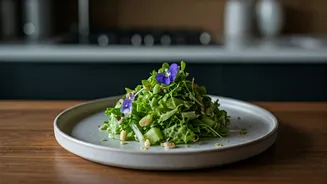
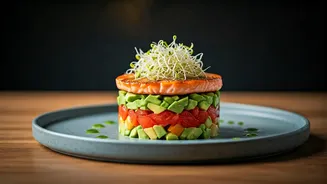
So, why this shift? In part, it’s a reaction. For years, foodie culture felt like a high-stakes competition. It demanded complex techniques, expensive equipment, and hard-to-find ingredients. It was intimidating. This new trend is the antithesis of that. It doesn't ask you to be a chef; it asks you to be a curator. You don’t need a sous vide machine, just a nice plate and a bit of creativity. This aesthetic elevation of the simple is a form of accessible luxury. In a world of economic uncertainty and post-pandemic burnout, creating a beautiful plate from a can of beans or a head of lettuce is a small, achievable act of control and self-care. It provides the dopamine hit of creating something beautiful without the pressure or cost of a five-course meal. It democratizes the idea of a “good-looking” meal, moving it from the restaurant to the home kitchen.
The TikTok Effect
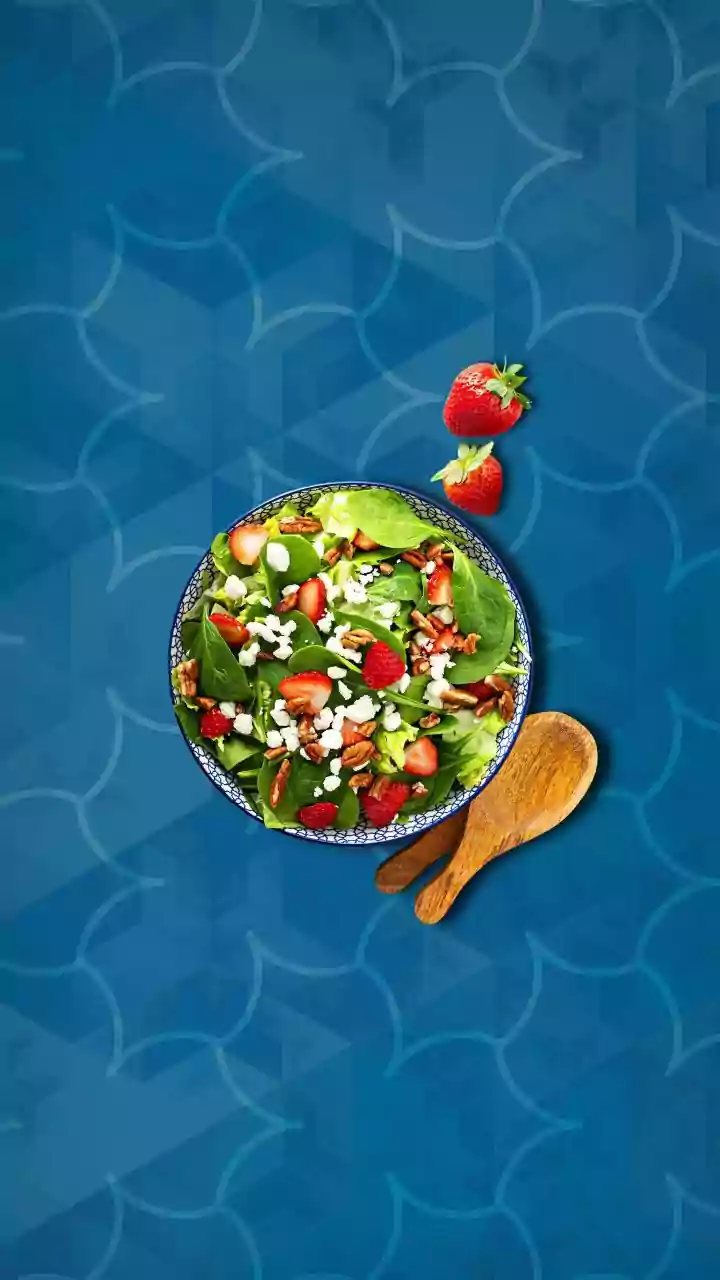
Of course, you can't talk about a visual trend without talking about the platforms that power it. The short-form, visually driven nature of TikTok and Reels is the perfect engine for this movement. A 15-second video can perfectly capture the satisfying process of arranging a salad, drizzling olive oil over feta, or lining up anchovies on toast. The algorithm rewards aesthetics, and users are responding by finding beauty in the most basic foodstuffs. This is also where trends like “girl dinner” find their footing. What started as a joke about assembling a random assortment of snacks for a meal—a piece of cheese, a handful of olives, a few crackers, some fruit—quickly became an aesthetic movement. The best “girl dinners” weren’t just random; they were beautifully, if simply, arranged. The plate became a canvas for a low-effort, highly personal meal that was, above all, pleasing to the eye. It's an embrace of simple nourishment, but with an artistic flourish.
More Than Just a Pretty Plate
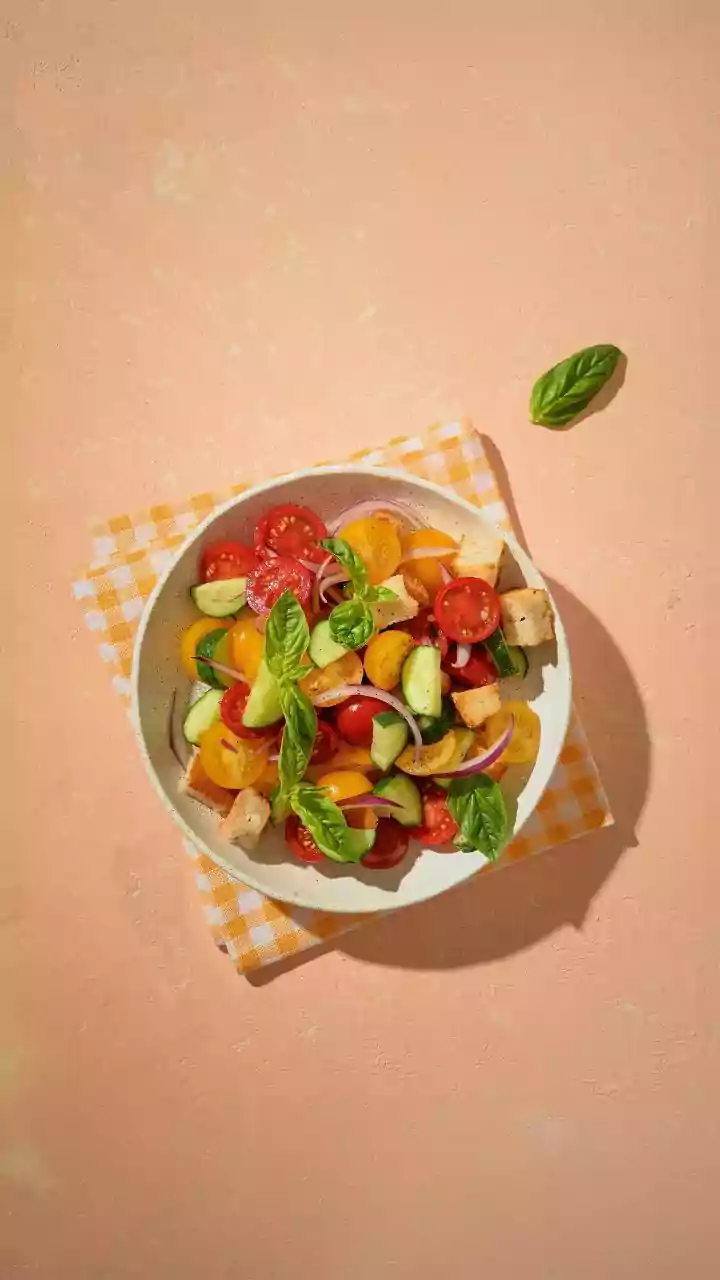
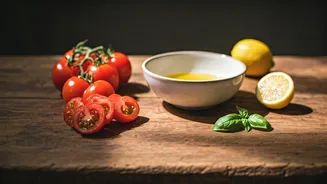
Cynics might dismiss this as just another form of online performance—one more way we curate our lives for an audience. And to be sure, there's an element of that. The pressure to make even a simple snack look camera-ready can feel like a new form of domestic labor. But it also speaks to a deeper desire to find and create joy in the small things. Elevating a simple tomato isn't about fooling anyone into thinking it’s a gourmet ingredient. It’s about honoring it. It’s about taking a moment to appreciate the color, the texture, and the potential of what’s right in front of you. It’s a mindful act in a mindless world. By taking the time to arrange our food, we are, in a small way, arranging our lives with more intention and care.