



Not Your American Veggie Burger
When you think of plant-based meat in the U.S., you probably picture a Beyond Burger sizzling on a grill, designed to perfectly mimic an American beef patty. But in India, the alternative protein boom is taking a radically different, and frankly, more
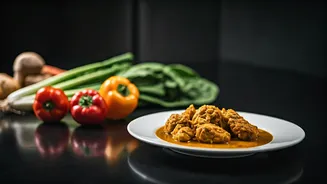
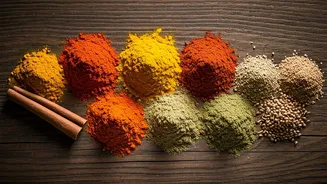
interesting path. This isn’t about replacing a single slab of meat between two buns. It’s about integrating plant-based ingredients into a dizzying array of complex, spice-rich dishes that form the backbone of Indian cuisine. Startups aren't just making patties; they’re creating plant-based mince for keema pav (a spiced ground meat dish served with soft rolls), tender chunks for rich chicken tikka masala, and textured shreds for biryani. The goal isn't just to fool a carnivore in a blind taste test. It's to create a product that can absorb the flavors of turmeric, cardamom, and ginger, hold its texture in a slow-cooked curry, and feel at home on a plate next to naan and dal. It's a culinary challenge far more complex than grilling a burger, and local companies are rising to meet it.
A Perfect Storm for a Protein Revolution
So why is this happening now? India is the convergence point for a perfect storm of factors. First, you have a massive built-in market. While India has a large meat-eating population, it also has the highest number of vegetarians in the world—hundreds of millions of people already accustomed to plant-forward diets. Second, there's a new generation of consumers. India’s young, urban, and digitally-connected middle class is increasingly concerned with health, sustainability, and animal welfare, issues that mirror the drivers of the plant-based trend in the West. Finally, there's the business angle. Seeing the success of companies like Impossible Foods and Oatly, both local entrepreneurs and international investors are pouring money into the Indian alternative protein space. Organizations like the Good Food Institute (GFI) India are actively nurturing this ecosystem, providing research, business support, and policy advocacy to help startups scale. This isn't a grassroots, kitchen-table movement; it's a well-funded, strategic push to build a new food category from the ground up.
Meet the New Kings of Keema
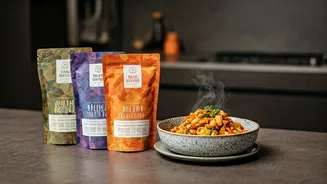
The market is already bustling with innovative players. Mumbai-based Blue Tribe Foods offers plant-based chicken nuggets and pork-style sausages designed for the Indian palate. Shaka Harry, a brand backed by cricket superstar MS Dhoni, sells everything from “Just Like Mutton” samosas to plant-based chicken biryani. Another major player, GoodDot, was one of the earliest entrants and has focused on making its products accessible and affordable in smaller towns, not just big cities. What unites these companies is a “designed for India” approach. They aren't simply importing Western products. They are conducting extensive R&D to work with local ingredients like jackfruit, soy, and pea protein, and fine-tuning textures and flavor profiles to match beloved dishes. For instance, creating a convincing plant-based seekh kebab that can be cooked in a tandoor oven without falling apart is a significant feat of food science, and it's exactly the kind of problem these startups are solving.
The Hurdles on the Path to the Plate
Despite the momentum, the road ahead isn't perfectly paved. The single biggest barrier is price. For alternative proteins to move from a niche urban luxury to a mainstream staple, they need to approach price parity with conventional meat, which remains a significant challenge. Distribution is another hurdle in a country as vast and diverse as India, where getting a frozen product from a factory to a small-town grocery store is a logistical marathon. And, of course, there's the ultimate test: taste. Indian consumers have sophisticated palates and deep emotional connections to their food. A plant-based butter chicken that doesn't taste like the real thing won't get a second chance just because it's sustainable. These new products have to be not just good, but exceptional, to win a permanent spot in the fiercely competitive landscape of the Indian kitchen.