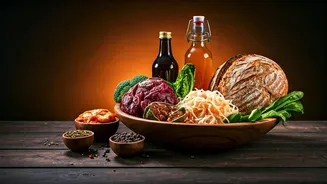





Beyond the Probiotic Hype
Let's get the obvious out of the way: you've heard about probiotics. For years, the main selling point for fermented foods like yogurt, kefir, and kombucha has been their payload of live, beneficial bacteria. The logic is simple and appealing: eat good
bugs, and your gut will thank you. This influx of friendly microbes can help balance your gut microbiome, which is linked to everything from digestion to immune function. And it's true. A healthy gut is a diverse gut, and consuming a variety of probiotic-rich foods can certainly contribute to that. But focusing solely on live cultures is like watching a movie and only paying attention to one actor. You're missing most of the plot. The real, and arguably more profound, health trend hidden in fermentation is about the entire transformative process—what happens to the food itself before it ever reaches your gut.
Unlocking Your Food's Hidden Potential
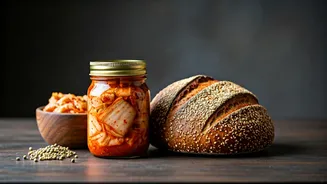
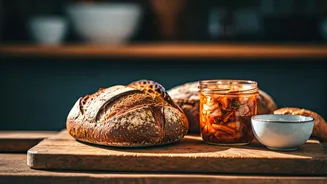
Think of fermentation as biological alchemy. Long before the food hits your plate, microorganisms are hard at work, breaking it down. This process, called pre-digestion, does two amazing things. First, it neutralizes or reduces 'anti-nutrients.' For example, grains and legumes contain phytic acid, which can bind to minerals like iron and zinc, preventing your body from absorbing them. The fermentation process in sourdough bread, for instance, breaks down much of this phytic acid, making the bread's minerals more accessible.
Second, this transformation can actually increase the nutritional value of the food. Microbes are tiny factories that can synthesize new compounds as they feast. Some strains of bacteria produce B vitamins during fermentation. The creation of Vitamin K2, crucial for bone and heart health, is a well-known benefit of fermenting foods like natto (fermented soybeans) and certain cheeses. You're not just getting the original nutrients of the cabbage or milk; you're getting a supercharged version with bonus compounds created by the microbes.
Meet the 'Postbiotics'
If probiotics are the live workers, the 'hidden' part of this trend is what they leave behind. Scientists are increasingly focused on 'postbiotics'—the metabolic byproducts created by bacteria during fermentation. These aren't the bacteria themselves, but the collection of beneficial compounds they produce, including short-chain fatty acids (SCFAs), enzymes, peptides, and polysaccharides.
Why does this matter? Because many of the health benefits we once attributed solely to live probiotics may actually come from these postbiotic compounds. SCFAs, like butyrate, are a primary fuel source for the cells lining your colon and have powerful anti-inflammatory effects. These compounds are present in fermented foods before you even consume them. So, even if some of the live bacteria don't survive the journey through your stomach acid, you're still getting a direct dose of the beneficial substances they've already created. This is the truly game-changing insight: the magic isn't just the bug, it's what the bug *does*.
Putting Fermentation on Your Plate
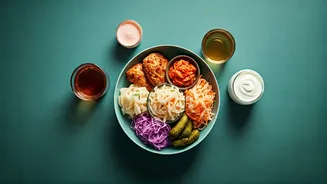
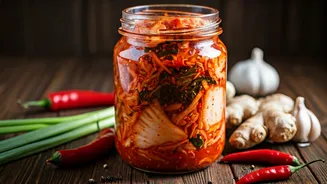
So, how do you take advantage of this hidden trend? The goal isn't to suddenly chug a gallon of kombucha. Instead, think about incorporating a small but diverse range of fermented foods into your diet. A spoonful of sauerkraut on your sausage, a side of kimchi with your eggs, a splash of kefir in your smoothie, or using miso to make a salad dressing. Each food offers a different set of microbes and, therefore, a different profile of postbiotic compounds.
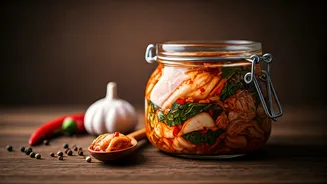
When shopping, look for products that are unpasteurized and refrigerated, as this often indicates the presence of live cultures (and a more authentic fermentation process). Look for labels that say 'naturally fermented' or 'contains live cultures.' Better yet, explore making your own. A simple jar of sauerkraut requires just cabbage and salt, giving you a front-row seat to the transformative power of microbes.