

The End of Performative Eating
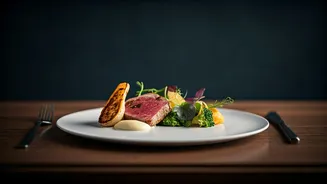
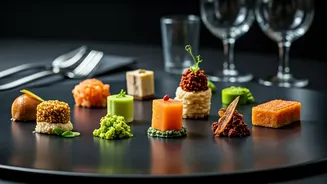
For years, food culture—especially online—was a performance. It was about capturing the perfect sourdough crumb, the artfully drizzled sauce, or the farmers' market haul arranged just so for Instagram. But a quiet rebellion has been brewing, and now it's
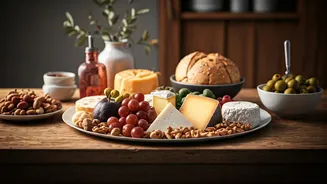
breaking into the mainstream. Enter the era of practical food, a movement defined by what it’s not: it’s not complex, it’s not for show, and it’s definitely not stressful. This shift is perhaps best encapsulated by the viral “girl dinner” trend, a meal composed of whatever appealing snacks are in the fridge—a bit of cheese, some crackers, a handful of olives, maybe a sliced apple. It’s a meal of assembly, not of cooking. Critics initially dismissed it as a sad, lazy meal, but they missed the point. It was a joyful embrace of low-effort, high-satisfaction eating. It gave a name to something millions were already doing in private: piecing together a meal that meets their needs without adhering to the traditional, and often rigid, “protein, starch, vegetable” format. This isn't about a lack of care; it’s about a re-prioritization of it, focusing on personal pleasure and ease over public presentation.
The Sobering Reality of Inflation
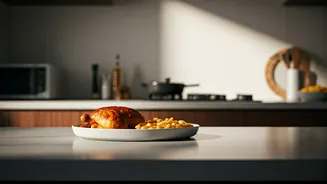
Of course, this trend isn't just about vibes. A major, unavoidable driver is the economy. With grocery prices remaining stubbornly high, the days of casually trying a recipe with a dozen expensive, single-use ingredients are over for many. Practicality has become a financial necessity. This economic pressure is pushing shoppers and home cooks back to basics. Pantry staples like beans, lentils, pasta, and rice are the new heroes. A simple pot of spaghetti with garlic and oil, a hearty bean soup, or a fried egg on toast are no longer just last-resort meals; they’re smart, resourceful choices. The shift has also changed how we view leftovers. Instead of being a forgotten disappointment in the back of the fridge, they are being celebrated as the ultimate practical food—a pre-made, no-cost lunch for the next day. This resourceful mindset favors dishes that are versatile and can be stretched, fundamentally changing the calculus of what makes a “good” meal from something that impresses to something that provides.
Burnout on a Plate
Beyond the financial incentives, there's a deep, collective exhaustion at play. The post-pandemic world didn't deliver the widespread relief many hoped for; instead, it ushered in a new wave of burnout. The energy required for ambitious cooking projects has simply evaporated for a significant portion of the population. After a long day of work, navigating commutes, and managing household responsibilities, the idea of following a multi-step, 60-minute recipe can feel less like a creative outlet and more like a second job. The practical food trend is a direct response to this. It grants permission to opt out. It says that opening a can of tuna, mixing it with mayo, and eating it with crackers is a perfectly acceptable dinner. This isn't a failure to cook; it's a successful act of self-preservation. It’s about conserving precious mental and physical energy for other parts of life, a recognition that not every meal needs to be an event.
A Rebellion Against Perfection
Ultimately, the rise of practical food is a cultural counter-narrative. For a decade, social media feeds were dominated by a highly curated, often unattainable vision of domestic perfection. This created a silent pressure to perform, to turn every meal into a photo-op. The practical food trend is a liberating rejection of that pressure. When people post their humble bowls of buttered noodles or their slightly chaotic-looking snack plates, they are making a statement. They are celebrating authenticity over aspiration. They are finding community in the shared reality of “good enough” eating. This isn't an anti-foodie movement; it’s an evolution of what it means to be a foodie. It suggests that a true love of food can also mean loving the simple, comforting dishes that ask nothing of you but to be enjoyed. It’s a return to the core purpose of food: nourishment, both for the body and the soul, without the added layer of performance.