





An 'Earth Festival' with a Difference
On the outskirts of Bangalore, a sprawling tech hub in southern India, something remarkable happens every year around World Environment Day in June. The air fills not with the hum of servers, but with the sounds of folk music, the aroma of traditional
foods, and the chatter of thousands of people. This is Bhoomi Habba, which translates from the local Kannada language to “Earth Festival.” Hosted by Visthar, a social justice organization, the event is a deliberate and beautiful departure from the often-sober tone of environmental activism. It’s not a conference or a seminar. It’s a habba—a festival in the truest sense, designed to celebrate the connection between people, culture, and the planet.
More Than Just an Organic Market
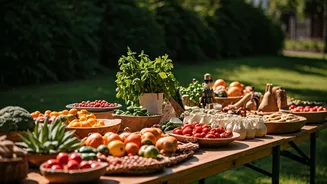
While many green events might focus on eco-friendly gadgets or corporate pledges, Bhoomi Habba grounds itself in the tangible and the traditional. At first glance, it looks like a bustling artisan market. You’ll find stalls selling organic millets, fresh vegetables, handmade pottery, and naturally dyed textiles. But look closer, and you’ll see the festival’s deeper purpose. These aren't just products; they are stories. The vendors are often the farmers, weavers, and potters themselves, primarily from rural communities. The festival provides a direct, dignified platform for them to connect with urban buyers, cutting out middlemen and fostering genuine relationships. Beyond the market, the day is packed with activities that nourish the soul: stirring folk music performances, thought-provoking street theater, documentary screenings on ecological issues, and hands-on workshops where you can learn everything from pottery to composting.
Building a Bridge Between Worlds
One of the most powerful aspects of Bhoomi Habba is its role as a social bridge. In a rapidly urbanizing India, the gap between city life and rural reality is vast. The festival consciously works to close that gap. For urban attendees, it’s a chance to understand where their food comes from and appreciate the skill and wisdom of traditional artisans. They meet the people who grow the grain and weave the cloth, putting a human face to the concept of a sustainable supply chain. For the rural participants, it’s an opportunity to find a new, appreciative market for their goods and cultural practices, affirming the value of their heritage in a modernizing world. This exchange is the heart of the festival. It transforms sustainability from an abstract idea into a lived experience of mutual respect and shared community.
A Joyful Blueprint for Activism
Perhaps the most important lesson from Bhoomi Habba is its re-imagining of what it means to be an environmentalist. In the U.S. and much of the West, the conversation around sustainability can often feel polarized, fraught with guilt, or focused on individual consumer choices—drive less, buy this, don’t buy that. Bhoomi Habba offers a powerful alternative. It frames environmental action not as a series of individual deprivations, but as a collective, joyful celebration. It suggests that the path to a healthier planet is through stronger, more connected communities. By weaving together food, art, music, and social justice, the festival makes a compelling argument: caring for the Earth doesn’t have to be a chore. It can, and perhaps should, be the most vibrant party of the year.