







The End of the 6 p.m. Scramble
For decades, the American fitness landscape was defined by the tyranny of the 9-to-5. Gyms were ghost towns at 2 p.m. and war zones at 6 p.m. You either sacrificed sleep to get a workout in before sunrise or battled exhausted commuters for a treadmill
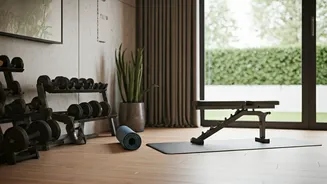
after a long day at the office. Your fitness schedule was dictated by your work schedule, period. This created a binary system: you were either a disciplined 'morning person' or you were resigned to the evening chaos. There was very little in between. This rigid structure wasn't just inconvenient; it was a barrier. Packing a gym bag, commuting to the office, then commuting to the gym, showering, and finally heading home was a logistical feat. For many, the hassle was enough to make skipping a workout the easier, more rational choice. Fitness felt like another chore to be checked off, a task that had to fit into two very specific, and often undesirable, time slots.
The Rise of the Midday Workout
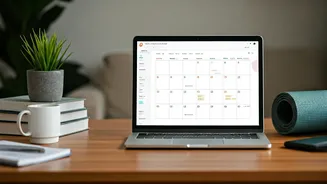
Enter the flexible schedule. Whether fully remote or hybrid, millions of Americans now have a degree of autonomy over their day that was once unimaginable. The result? The midday workout has become the new prime time. Fitness platforms and gym management software have consistently reported a surge in activity between 11 a.m. and 2 p.m. That old dead zone is now buzzing. It makes perfect sense. The lunchtime workout isn't just about convenience; it's about performance, both physical and mental. A midday run, spin class, or weightlifting session can break up the workday, acting as a powerful antidote to screen fatigue and afternoon slumps. It replaces a sad desk lunch with a genuine mental reset. Workers return to their computers feeling refreshed and re-energized, often reporting higher productivity in the afternoon. It’s no longer about squeezing fitness into the margins of your day, but placing it strategically in the middle to improve the whole.
Fitness That Fits Your Life, Not Your Job
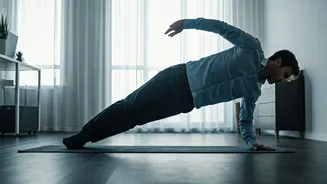
The most profound change, however, goes beyond simple timing. The new flexibility has empowered people to make fitness truly *personal*. The one-hour, all-or-nothing gym session is no longer the only model. Now, people are 'stacking' their wellness throughout the day. That might look like a 20-minute walk while taking a conference call, a 15-minute HIIT session from a fitness app between meetings, and a 30-minute yoga flow to decompress at the end of the day. This approach allows for a more intuitive and forgiving relationship with exercise. Missed your morning session? No problem, you can grab 20 minutes later. Feeling low on energy? Opt for a gentle walk instead of a grueling workout. This atomized approach—breaking fitness into smaller, more manageable pieces—lowers the barrier to entry and makes consistency more achievable. It's about listening to your body and your schedule, and choosing movement that fits the moment, not the other way around.
A Permanent Shift for the Industry
The fitness industry, after an initial shock, is adapting to this new reality. Gyms that survived the pandemic are adding more class times throughout the day to cater to the flexible worker. Boutique studios are offering hybrid memberships that blend in-person and digital options. The biggest winners have been the platforms built for this moment: on-demand services like Peloton, Apple Fitness+, and a universe of smaller fitness apps provide high-quality, guided workouts available anytime, anywhere. Companies are also getting on board, recognizing that employee well-being is directly tied to this new flexibility. Corporate wellness programs are evolving from simple gym discounts to offering stipends that employees can use for anything from a ClassPass subscription to a new pair of running shoes. They understand that supporting an employee's personal fitness journey is a key part of the new contract of remote and hybrid work.