

More Than Just a Garnish
The idea of an indoor garden isn't new, but its migration to the kitchen counter marks a shift in how we think about our food and our homes. No longer relegated to a distant windowsill or a backyard plot, these compact gardens are front and center, functioning
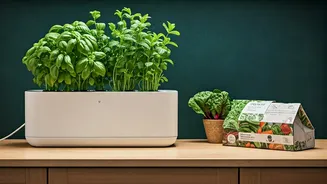
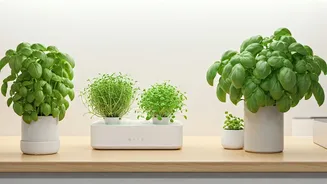
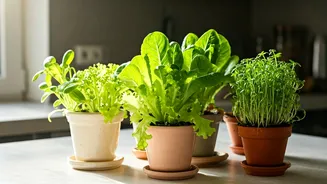
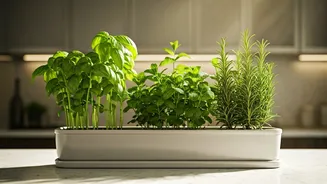
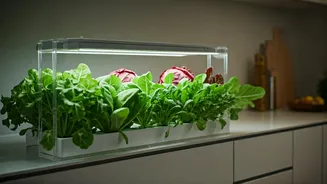
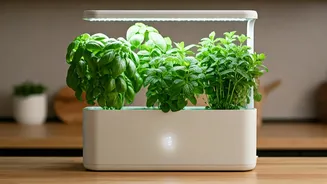
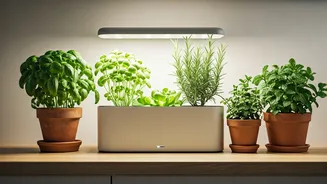
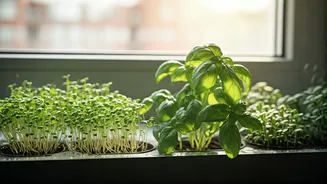
as both a miniature pantry and a piece of living decor. A kitchen-counter garden can be as simple as a few terracotta pots of herbs or as sophisticated as a self-watering hydroponic unit. The common thread is accessibility—bringing the freshest possible ingredients within arm's reach, even for city dwellers in the smallest of apartments. This trend taps into a growing desire for connection to our food source, offering a rewarding, tangible result for minimal effort.
The Ultimate Flavor Upgrade
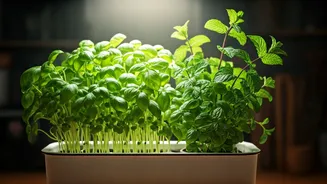
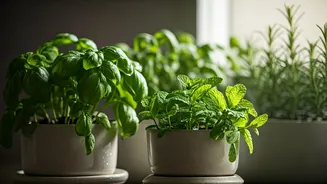
The most compelling argument for a countertop garden is taste. There is simply no comparison between a sprig of fresh, living basil and the slightly wilted bunch that’s been sitting in a plastic clamshell at the grocery store for days. Herbs and greens begin losing their volatile oils—the compounds that give them their potent aroma and flavor—the moment they are harvested. When you snip them yourself just seconds before use, you get the full, vibrant expression of the plant. This transforms everyday cooking. A simple tomato soup becomes richer with fresh oregano, scrambled eggs are elevated with a sprinkle of chives, and cocktails gain a professional finish with a sprig of just-picked mint. It’s a small change that delivers an outsized impact on your daily meals.
A Pop of Living Decor
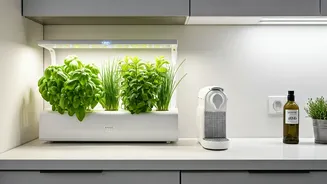
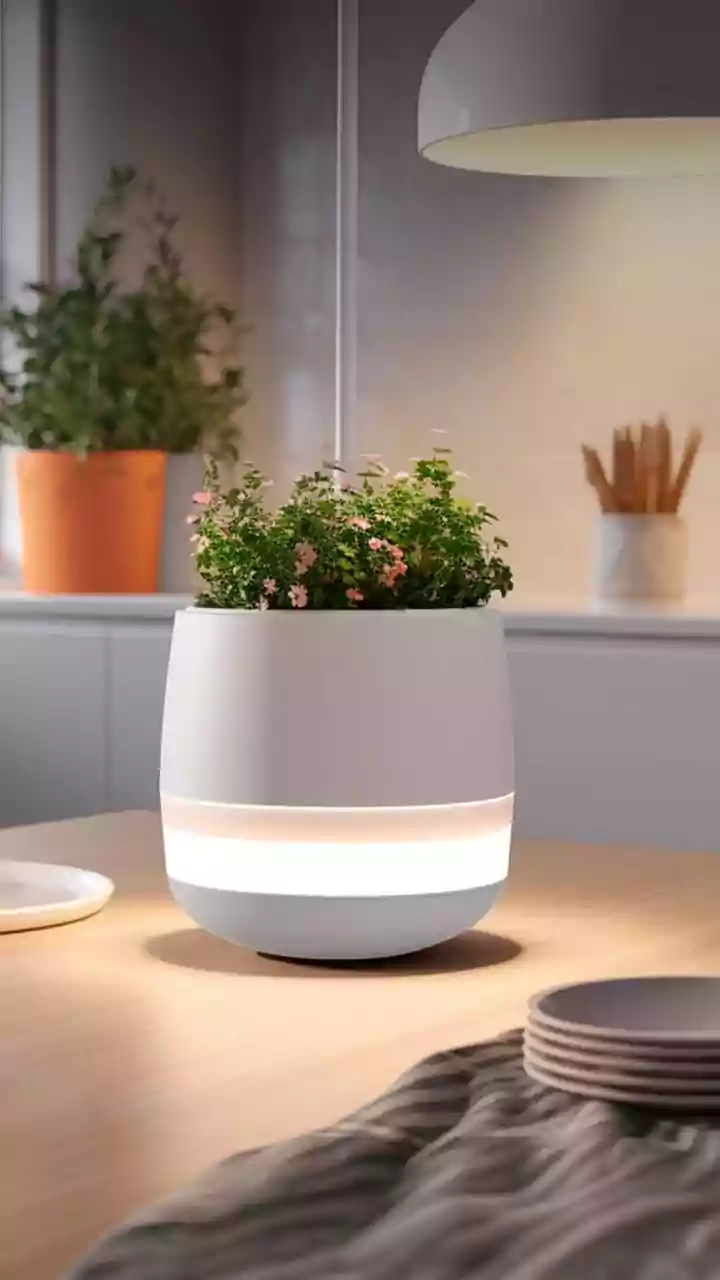
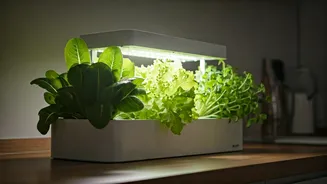
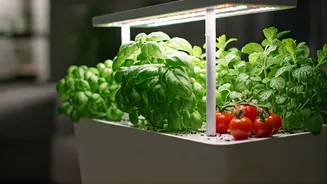
Beyond their utility, kitchen-counter gardens are undeniably cute. They are a simple and effective way to breathe life and color into a space that can often feel dominated by hard surfaces and stainless steel. The verdant green of a parsley plant or the deep purple of some basil varieties adds a natural, organic texture. The aesthetic possibilities are endless. You can opt for rustic terracotta pots for a farmhouse vibe, sleek ceramic planters for a modern look, or even whimsical, repurposed containers like teacups or mason jars. Smart hydroponic systems often feature minimalist designs with integrated LED grow lights that cast a pleasant, futuristic glow. It’s a decorative element that’s also functional, pulling double duty as a source of beauty and sustenance.
Your Easiest Entry into Gardening
For anyone who feels intimidated by the prospect of gardening, the countertop is the perfect place to start. It’s a low-stakes, high-reward endeavor. Unlike a full-fledged outdoor garden, you don’t have to worry about soil tilling, serious pest control, or unpredictable weather. The environment is controlled, and the scale is manageable. You can begin with one or two famously forgiving herbs, like mint (which grows aggressively) or chives. Success is almost guaranteed, providing a confidence boost to try more ambitious plants. This contained ecosystem also serves as a fantastic learning tool, teaching the basics of plant care—light, water, and harvesting—in a highly visible and convenient setting. Failure is low-cost, but success is incredibly satisfying.
Getting Started: Low-Tech to High-Tech
Starting your own counter garden is simple, with options for every budget and level of commitment. The easiest entry point is a few pots with drainage holes, a bag of potting mix, and some starter plants or seeds from a local nursery. Herbs like basil, parsley, rosemary, and thyme are excellent choices. Just place them in your sunniest kitchen spot and water when the soil feels dry. For those with less natural light or a desire for a more automated experience, self-contained hydroponic kits are a brilliant solution. These units, from brands like AeroGarden or Click & Grow, come with built-in LED lights, a water reservoir, and pre-seeded pods. They take the guesswork out of watering and lighting, making it almost impossible to fail and allowing you to grow things like lettuce and cherry tomatoes right on your counter.