





From Annoyance to Emergency
We’ve all been there: the dreaded 10% battery warning flashes at the worst possible moment. On a normal day, it’s an annoyance. But on a trip, especially one derailed by bad weather or unexpected delays, a dead phone transforms a simple inconvenience
into a genuine crisis. Our smartphones are no longer just for calls; they are our boarding passes, hotel keys, maps, translators, and emergency contact lists. When your phone dies, you’re not just disconnected—you’re digitally stranded. A power bank re-frames this scenario. It’s a small, inexpensive piece of travel insurance that ensures a dead battery is never the single point of failure that ruins your day, or worse, puts you in a vulnerable situation.
Your Navigator in a Storm
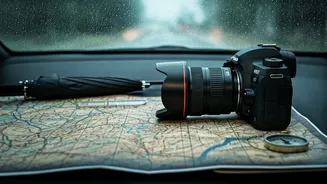
Imagine trying to find your hotel in an unfamiliar city, at night, with rain slicking the streets. Now imagine doing it without a map. That’s the reality of a dead phone. GPS apps are notoriously power-hungry, and relying on them to navigate a new place can drain your battery in a couple of hours. This is where a power bank becomes more than a convenience; it's a critical navigation tool. It means you can confidently pull up directions, find the nearest subway station, or locate a dry place to wait out the storm without the constant anxiety of watching your battery percentage plummet. It keeps you in control, allowing you to make informed decisions about your route and your safety, regardless of how long you’ve been wandering.
The Line to the Outside World
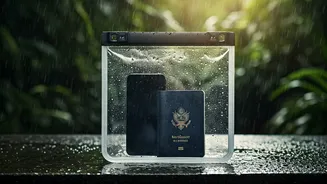
A delayed flight, a canceled train, a sudden downpour that floods the roads—travel is full of unpredictable moments. During these times, your phone is your lifeline to information and assistance. You need it to check for travel updates, rebook a flight on the airline’s app, call a rideshare, or simply let loved ones know you’re safe but delayed. In a more serious scenario, it’s your connection to emergency services. A power bank ensures this line of communication stays open. It empowers you to manage the disruption, rearrange your plans, and stay in touch with the people who matter. Without it, you’re left at the mercy of airport charging stations that are often crowded, broken, or nonexistent when you need them most.
Peace of Mind in Your Pocket
Beyond the practicalities of navigation and communication, there’s an underrated emotional benefit to carrying a power bank: peace of mind. The low-level stress of “battery anxiety” is real, and it can subtly undermine the enjoyment of your trip. You find yourself saying no to taking photos, hesitate to look up a restaurant review, or keep your phone on airplane mode, missing important notifications. A power bank removes this mental burden entirely. It’s the quiet confidence of knowing you have a backup. It also serves as the ultimate boredom buster for those inevitable travel delays. Stuck in an airport for six hours? You can stream movies, listen to podcasts, or read a book on your device without a single worry about conserving power for later.
How to Choose Your Power Ally
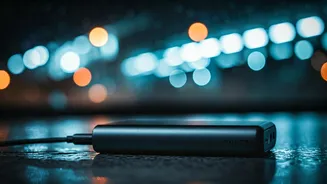
Not all power banks are created equal. When choosing one for travel, consider a few key factors. First is capacity, measured in milliampere-hours (mAh). A 10,000 mAh power bank is a great sweet spot for most travelers, offering two to three full charges for a typical smartphone in a relatively compact size. For longer trips or multiple devices, a 20,000 mAh model might be better. Second, check the output ports and power delivery (PD). A USB-C port with PD will charge modern phones and even some laptops much faster than a standard USB-A port. Finally, consider size and weight. You want something that easily fits in a daypack or purse. Remember, TSA regulations require lithium-ion batteries to be in your carry-on luggage, not your checked bags, so plan accordingly.