




Why Paneer Gets Tough
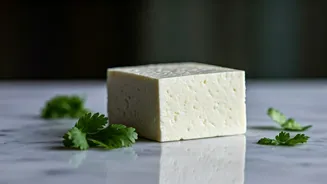
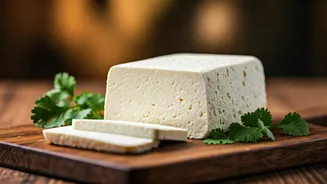
Before we get to the fix, it helps to understand the problem. Paneer is a fresh, acid-set, non-melting cheese. Unlike mozzarella or cheddar, its protein structure (casein) clumps together when heated, but it doesn't flow or melt. Instead, when exposed
to high heat for too long, it rapidly loses moisture. The proteins contract and squeeze out water, leaving behind a dense, firm, and often rubbery block. Think of it like a steak: a quick sear is great, but cooking it for 20 minutes on high heat results in a tough, chewy brick. The same principle applies to paneer. Most store-bought paneer is also pressed quite firmly, which can contribute to a denser starting texture. The key to softness isn't some complex culinary secret; it's all about hydration and gentle cooking.
The Golden Rule: A Quick Hot-Water Soak
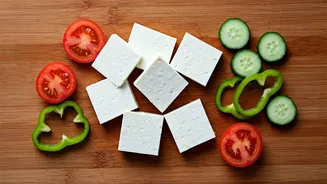
This is the single most effective trick in the book, and it works every time. Before you use your paneer in any dish, give it a brief bath in hot water. Simply cube your block of paneer and place the cubes in a heatproof bowl. Pour hot (not boiling) water over them until they are fully submerged. Let them sit for 10 to 15 minutes. You'll notice the cubes become visibly softer and more pliable. This process does two things: it rehydrates the cheese, plumping up the protein network, and it gently warms the paneer, meaning it needs less time in the hot pan later. After soaking, drain the water and gently pat the cubes dry with a paper towel, especially if you plan to pan-fry them, to prevent splattering. This one step will transform your paneer from squeaky to supple.
Cook It Smart, Not Hard
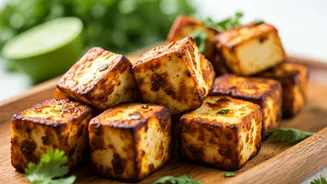
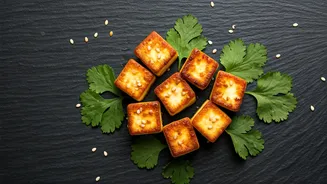
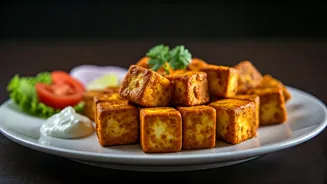
Once your paneer is soaked and softened, don't undo your good work by blasting it with heat. The best way to cook paneer is quickly and gently. If you're adding it to a curry like palak paneer (spinach) or matar paneer (peas), add the softened cubes during the last 3-5 minutes of simmering. This is just enough time to heat them through and let them absorb the flavors of the sauce without giving them a chance to toughen up. If you're pan-frying for a dish like paneer tikka or a stir-fry, a quick sear is all you need. Heat a small amount of oil or ghee in a non-stick skillet over medium-high heat. Add the paneer cubes in a single layer and fry for just 1-2 minutes per side, until they are golden brown. This quick, high-heat contact creates a delicious crust while keeping the inside pillowy soft.
Summer Meals, Sorted
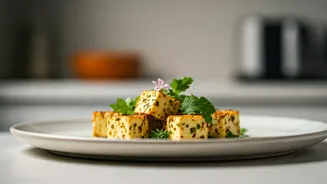
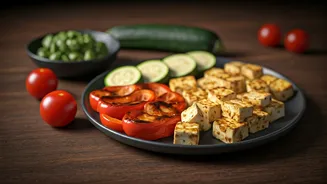
With your newfound mastery of soft paneer, summer cooking becomes a breeze. This cheese is a fantastic source of protein that requires no long cooking times, making it perfect for warmer weather. Here are three simple ideas: 1. **Paneer Tikka Skewers:** Marinate your softened paneer cubes in yogurt, ginger, garlic, and spices (like turmeric, cumin, and garam masala) for 30 minutes. Thread them onto skewers with chunks of bell pepper and onion. Grill or pan-fry for a few minutes per side for a smoky, satisfying meal. 2. **Paneer Bhurji (Scramble):** This is the ultimate quick weeknight dinner. Simply crumble your block of paneer (no need to cube and soak here, as crumbling keeps it tender). Sauté onions, tomatoes, and ginger, add your spices, then stir in the crumbled paneer and cook for 3-4 minutes. Serve with toast or flatbread. 3. **No-Cook Paneer Salad:** For a truly refreshing option, toss soaked and drained paneer cubes with diced cucumber, tomatoes, red onion, and a handful of fresh mint or cilantro. Dress it with a simple squeeze of lemon juice, a pinch of salt, and a dash of chaat masala for a cooling, protein-packed salad.