






The Humid Weather Skin Dilemma
High humidity sends your skin's oil production into overdrive. When the air is saturated with moisture, the sweat and sebum on your face have nowhere to evaporate, leaving you with a perpetual layer of shine. This environment is a perfect storm for clogged
pores and breakouts, as excess oil mixes with dirt and dead skin cells. Slathering on a thick, traditional cream-based moisturizer can feel suffocating, trapping heat and oil and making the problem worse. Many people with oily or combination skin are tempted to skip moisturizer altogether, but this can backfire. Dehydration can trigger your skin to produce even more oil to compensate, leading to a vicious cycle of grease and blemishes. The challenge is finding a product that provides essential hydration without adding weight or shine.
Enter the Water-Gel Moisturizer
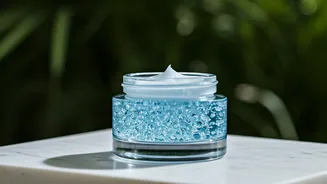
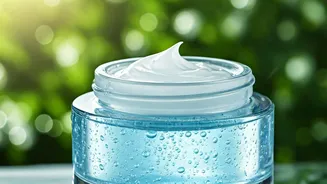
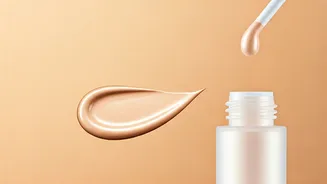
This is where a product's texture becomes just as important as its ingredients. Unlike heavy creams or lotions, water-gel moisturizers have a bouncy, almost jelly-like consistency. They are formulated with a high percentage of water and humectants—ingredients like hyaluronic acid or glycerin that draw moisture into the skin—but very little oil. When you apply a water-gel, it delivers a burst of cool hydration that absorbs almost instantly, leaving behind no greasy residue. The finish is typically fresh, plump, and smooth, creating a perfect canvas for sunscreen or makeup. For anyone who hates the feeling of a heavy product on their face, especially during sweltering summer months, the lightweight, non-comedogenic nature of a water-gel is a game-changer. It feels like giving your thirsty skin a glass of water, not a heavy meal.
The Secret Ingredient: Zinc PCA
Now, let's talk about the powerhouse ingredient that takes these moisturizers to the next level: Zinc PCA. It might sound intimidatingly scientific, but it’s a simple, skin-friendly salt derived from two key components. The first is Zinc, a mineral you've likely heard of for its health benefits. Topically, zinc is an all-star for oily and acne-prone skin. It's a natural astringent that helps regulate sebum production, effectively telling your oil glands to calm down. It also has potent anti-inflammatory and antimicrobial properties, which help reduce the redness and irritation associated with breakouts. The second part, PCA (pyrrolidone carboxylic acid), is a natural moisturizing factor found in the skin. It's a fantastic humectant, meaning it helps your skin grab onto and retain water. By binding zinc to PCA, you get a synergistic ingredient that tackles excess oil and blemishes while simultaneously boosting hydration—a rare and powerful combination.
The Perfect Pair for Sticky Days
When you combine Zinc PCA with a water-gel formula, you get the ultimate solution for humid-weather skin. The water-gel provides the weightless hydration your skin needs to stay balanced, preventing the dehydration that can lead to more oil production. It delivers the active ingredient, Zinc PCA, in a format that won't clog pores or feel heavy. The Zinc PCA then gets to work, directly addressing the core issues of high humidity: it minimizes shine, helps control oil throughout the day, and soothes the inflammation that can lead to summer breakouts. It’s a one-two punch that leaves skin feeling fresh, comfortable, and matte, but not stripped or dry. This pairing effectively gives your skin exactly what it needs (hydration) while taking away what it doesn't (excess oil and shine), making it the ideal daily moisturizer from June through September.
How to Get the Best Results
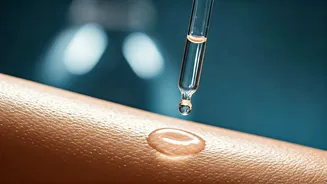
Incorporating a Zinc PCA water-gel into your routine is simple. Think of it as your seasonal moisturizer swap. In the morning and evening, after cleansing and applying any serums, smooth a pea-sized amount over your face and neck. Its fast-absorbing nature means you won't have to wait long before applying sunscreen for daytime protection. Because it helps control shine and creates a smooth base, it also functions as an excellent primer under makeup. For those with particularly oily T-zones, you can focus the application there while using a slightly richer formula on drier areas like the cheeks if needed. By making this one simple switch, you can stop fighting your skin and start enjoying a balanced, calm, and comfortable complexion, no matter how high the humidity climbs.