







What Is Walking Yoga?
Forget trying to hold a tree pose while navigating a sidewalk. Walking yoga isn't about performing complex asanas on the move. Instead, it’s the practice of applying the core principles of yoga—mindful awareness, controlled breath, and sensory focus—to
the simple act of walking. Think of it as the opposite of a distracted stroll where you’re mentally running through your to-do list. It’s about being fully present in the rhythm of your own movement. You are consciously connecting your mind to your body, your breath to your steps, and yourself to your immediate surroundings. This practice borrows heavily from ancient traditions like Zen Buddhist walking meditation, or kinhin, but frames it within the accessible context of modern yoga. It’s a way to take your mindfulness practice off the mat and integrate it into your daily life, no special equipment or flexible schedule required.
The Benefits of a Mindful Stride
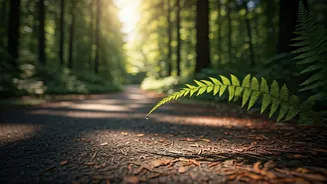
The most immediate benefit of walking yoga is stress reduction. By focusing on the physical sensations of walking and the rhythm of your breath, you anchor your mind in the present moment, giving it a break from the relentless cycle of past worries and future anxieties. This focus can lower cortisol levels and promote a sense of calm. Physically, it encourages better posture and a more conscious gait, which can alleviate the aches and pains associated with our typically slumped, screen-focused lives. For those who find traditional seated meditation challenging or claustrophobic, walking yoga is a game-changer. The gentle, repetitive motion can be incredibly soothing, making it easier to achieve a meditative state. It also deepens your connection with your environment. You’ll start to notice things you previously overlooked: the texture of the pavement, the sound of leaves in the wind, the subtle shifts in light. It’s a practice in seeing the world, and your place in it, with fresh eyes.
A Simple Guide to Your First Walk
Getting started is beautifully simple. You don’t need a special park or a silent retreat; your own block will do. 1. **Begin by Standing Still:** Before you take your first step, take a moment. Feel your feet firmly planted on the ground. Notice your posture. Take three deep, slow breaths, in through the nose and out through the mouth. 2. **Walk Slowly:** Start walking at a pace that is slower than your usual clip. The goal isn’t cardio; it's awareness. Feel the sensation of your heel touching the ground, rolling to the ball of your foot, and lifting off again. Pay attention to this sequence for several steps. 3. **Sync with Your Breath:** Once you’re comfortable, begin to coordinate your breath with your steps. There's no single right way to do this. You might try inhaling for three steps and exhaling for three steps. Find a rhythm that feels natural and calming, not forced. 4. **Engage Your Senses:** Gently expand your awareness. What do you hear? The distant traffic, birdsong, your own footsteps? What do you feel? The breeze on your skin, the warmth of the sun? What do you see? Notice colors and shapes without labeling or judging them. 5. **Welcome Distractions:** Your mind will wander. That's a guarantee. When you notice you’re lost in thought, gently acknowledge it without judgment and guide your focus back to the sensation of your feet on the ground or the rhythm of your breath. Every time you do this, you are strengthening your mindfulness muscle.
Integrating It Into Your Life
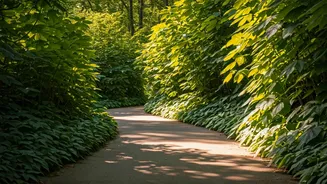
The beauty of walking yoga is its flexibility. You don’t have to set aside an hour for it. You can practice for five minutes during your lunch break, on your walk from the car to the office, or while taking the dog out. The key is intention. Any walk can become a mindful walk if you decide to make it one. If you walk in nature, try it barefoot on soft grass or sand to heighten the sensory feedback. If you're in a busy city, use the sounds of the urban landscape as the objects of your meditation rather than sources of irritation. By turning a mundane activity into a moment of presence, you sprinkle mindfulness throughout your day, creating small pockets of peace that add up to a more centered, less reactive state of being.