



An Urban Oasis Without the Honking
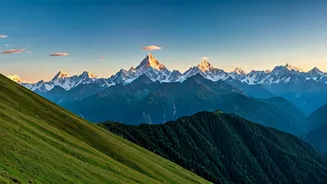
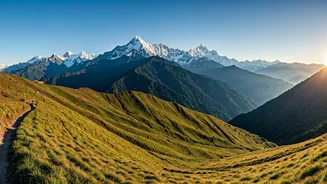
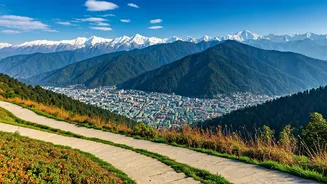
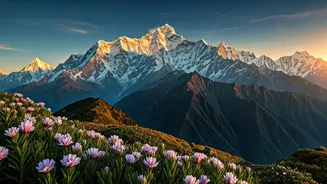
The first thing that strikes you about Gangtok isn't the mountain view—though the sight of Kanchenjunga, the world's third-highest peak, is breathtaking. It's the quiet. Specifically, it’s the quiet on Mahatma Gandhi Marg, the city's main promenade. This
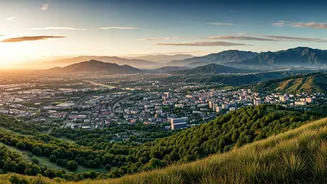
wide, pedestrian-only boulevard is a revelation for anyone familiar with the joyous chaos of most South Asian cities. Lined with Victorian-style street lamps, manicured flower beds, and benches, MG Marg is a smoke-free, litter-free zone where locals and tourists stroll, shop, and socialize. There are no cars, no motorcycles, and no cacophony of horns. It’s a civic space designed for people, a deliberate choice to prioritize community and calm over congestion. This profound sense of order isn’t sterile; it’s serene. It’s the city’s heart, and it beats at a human pace, setting a tone of mindful living from the moment you arrive.
Spirituality as a Living Practice
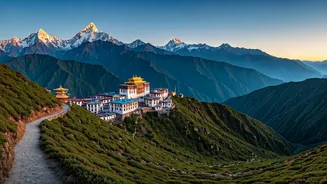
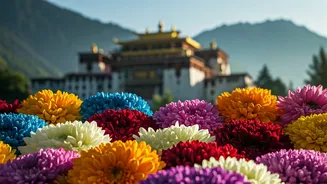
Prayer flags flutter from every vantage point, carrying their blessings on the Himalayan wind. This is the backdrop to life in Gangtok, where Tibetan Buddhism is woven into the fabric of daily existence. The city and its surroundings are dotted with monasteries, but these aren't just relics for tourists. They are vibrant, active centers of faith and learning. The most famous, Rumtek Monastery, sits on a facing hill and serves as a major seat of the Karma Kagyu school of Tibetan Buddhism. You can hear the low drone of monks chanting, the clash of cymbals, and the call of the gyaling horn. Back in the city, the much smaller but deeply revered Enchey Monastery offers a more intimate glimpse into this world. The presence of spinning prayer wheels along walkways and the quiet devotion of residents making their morning and evening circumambulations (kora) serve as a constant reminder that Gangtok’s soul is deeply rooted in its spiritual heritage.
Where Green Is a Way of Life
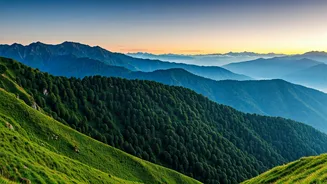
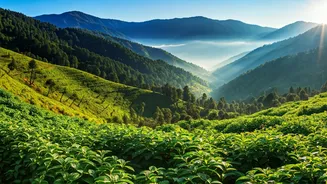
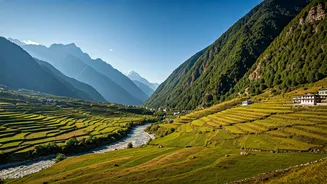
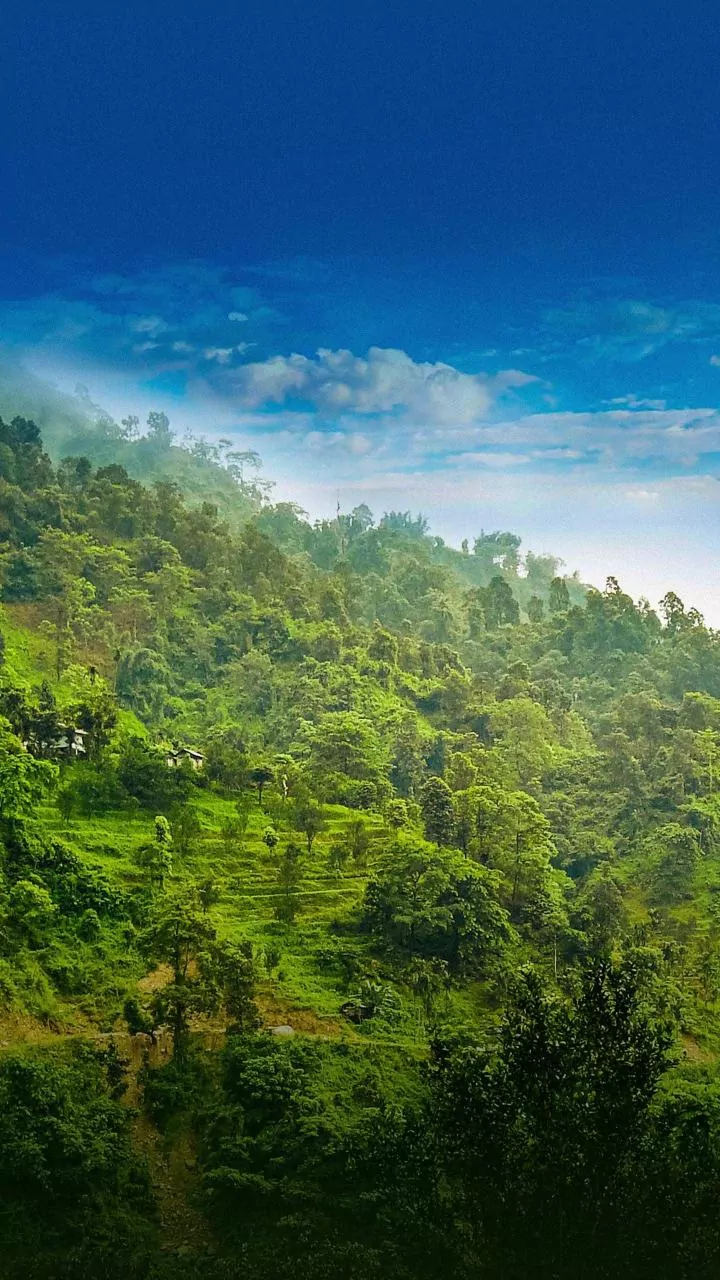
Long before 'organic' became a marketing buzzword in American grocery stores, the state of Sikkim was on a mission. In 2016, it became India’s first—and the world's first—fully organic state, banning chemical fertilizers and pesticides. This isn't just a policy; it's a philosophy you can feel. The air feels cleaner, the produce in the markets looks more vibrant, and the landscape is an uninterrupted swath of terraced green. This deep-seated respect for nature permeates Gangtok's culture. The city is remarkably clean, with initiatives that go far beyond the pedestrianized main street. There's a tangible connection between the people and their environment, born from a reliance on the land and an understanding that its preservation is essential. This commitment gives the city a purity and integrity that is increasingly rare in the modern world, making it a true sanctuary for those weary of urban grind.
A Gateway to the Edge of the World
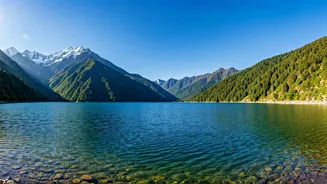
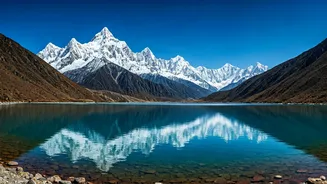
While Gangtok itself is captivating, it also serves as the perfect base camp for exploring the staggering beauty of the high Himalayas. The city is the starting point for journeys that feel like expeditions to another realm. A drive to the glacial Tsomgo Lake, perched at over 12,000 feet, takes you through hairpin bends and shifting microclimates, with yaks grazing placidly by the turquoise water. A little further on lies the Nathu La Pass, a historic mountain crossing on the border between India and China that was once part of the ancient Silk Road. Standing there, looking out over the Tibetan plateau, you feel the immense scale of the mountains and the weight of history. This proximity to wild, majestic, and geopolitically significant landscapes gives Gangtok an edge—a sense of being a comfortable haven on the frontier of adventure.