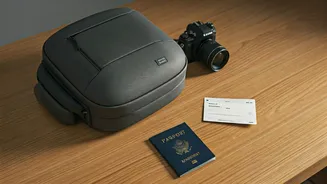







From Vacation Marathons to Travel Sprints
For decades, the American vacation was a predictable ritual: save up time and money for one or two glorious weeks away from it all. It was a marathon. But for Gen Z and younger millennials, the model has flipped. They're trading the marathon for a series
of sprints—think three-day weekends, four-night city explorations, and spontaneous road trips. These 'micro-cations' or 'quick breaks' are becoming the dominant mode of leisure travel for Americans under 35. What defines a quick break? It's typically any trip under five nights. Instead of trying to do everything, the goal is often singular: hit a specific food festival, see a new museum exhibit, hike a particular trail, or catch a concert in another city. It’s about collecting experiences, not just checking destinations off a list. This shift prioritizes frequency over duration, allowing for a constant sense of discovery rather than a single annual escape.
The Economics of the Experience
One of the most significant drivers of this trend is simple economics. Younger generations are navigating a world of student loan debt, high housing costs, and wage stagnation. A $4,000, two-week European holiday is a massive financial hurdle. In contrast, a $500 weekend trip to a nearby city is far more attainable. By breaking travel into smaller, more affordable chunks, they can still satisfy their wanderlust without derailing their financial goals. This approach transforms travel from a luxury good into a more regular part of a lifestyle budget, like a subscription service for new experiences. It also lowers the planning barrier. Booking a three-day trip requires less coordination, less time off work, and less upfront cash. This financial accessibility makes travel feel less like a once-a-year splurge and more like an ongoing pursuit of enrichment and fun. It democratizes the ability to explore, making it possible to have multiple adventures a year on a modest budget.
A Cure for Modern Burnout
The quick break isn't just a financial workaround; it's also a psychological one. In an 'always-on' work culture defined by digital presenteeism and chronic stress, waiting an entire year for a vacation can feel like an eternity. Burnout is a real and pressing concern for younger workers, and short, frequent breaks serve as vital pressure-release valves. A long weekend away can provide a more immediate and regular mental reset than the promise of a distant, far-off holiday. These mini-vacations disrupt the monotony of the work-week grind and offer something to look forward to on a more consistent basis. The anticipation of a trip, even a short one, is a powerful mood booster. Rather than pinning all their hopes for relaxation and rejuvenation on a single annual event, younger travelers are weaving moments of escape directly into the fabric of their year, using them as a tool to manage stress and maintain well-being.
Designed for the Digital Age
It’s impossible to talk about youth travel without talking about social media. The quick break is perfectly suited for the age of Instagram and TikTok. A series of short trips provides a steady stream of new, diverse content to share. One weekend it’s a craft brewery tour in Asheville; a month later, it’s a beach trip to the Gulf Coast. This constant flow of novel experiences is more compelling online than a single 'photo dump' from one long vacation. Furthermore, the entire lifecycle of a quick break—from inspiration and planning to booking and sharing—is digitally native. TikTok videos showcase hidden gems in nearby cities, flight deal apps send alerts for cheap weekend fares, and Airbnb makes it easy to book a unique stay for just a couple of nights. The friction of planning has been dramatically reduced, making spontaneous and frequent travel easier than ever before. In this context, the 'currency' isn't just money; it's the social capital and shareable moments that these trips generate.