





So, What Is 'Recovery Fitness'?
Forget the idea that rest days are just for lazy Sundays. For Gen Z, recovery isn't passive—it's an active, intentional part of their fitness regimen. Recovery fitness encompasses a whole ecosystem of activities designed to help the body repair, rebuild,
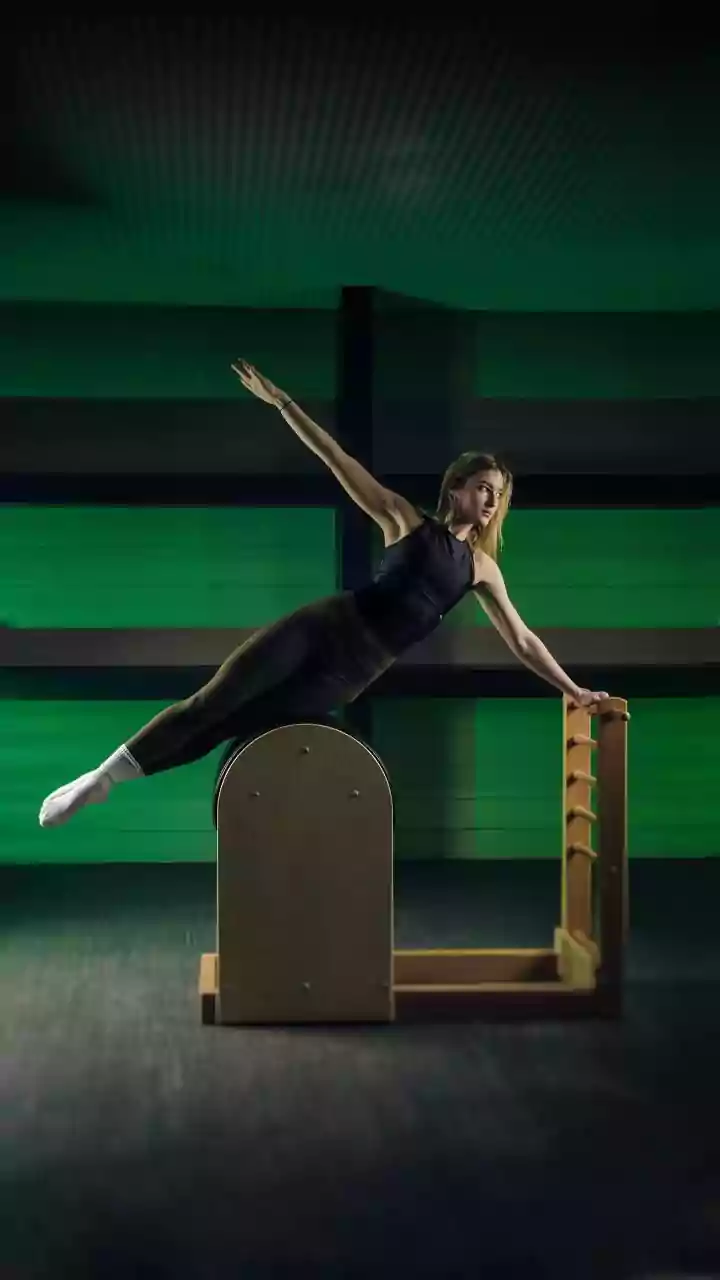
and de-stress. We're talking about more than just a quick post-workout stretch. This includes dedicated mobility work, foam rolling sessions to release muscle tension, yoga and Pilates for flexibility, and even tech-assisted therapies like compression boots and percussive massage guns. It also extends to popular wellness trends like cold plunges and infrared saunas, which are framed as tools for reducing inflammation and promoting recovery. In short, it’s about treating the 'off' day with the same seriousness and intention as the 'on' day.
A Backlash to Burnout Culture
To understand why recovery is so appealing, you have to look at what came before it. Many in Gen Z grew up watching millennials embrace the high-octane, maximalist fitness culture of the 2010s. Think CrossFit WODs (Workout of the Day) that left you unable to walk, grueling HIIT classes that celebrated pushing past your limits, and a pervasive 'hustle culture' that applied to the gym as much as the office. The result? A generation dealing with burnout, chronic stress, and nagging injuries. Gen Z saw this and, collectively, seems to have decided there has to be a better way. They are rejecting the all-or-nothing mindset in favor of sustainability. Their approach isn't about achieving a shredded physique at all costs; it's about building a body that feels good to live in for the long haul. It's a direct-action protest against the idea that exercise must feel like a punishment.
Wellness as a Holistic Concept
For this generation, the line between physical and mental health is practically nonexistent. A workout isn’t just for your muscles; it’s for your mind. This is where recovery fitness shines. A frantic, high-stress workout can spike cortisol (the stress hormone), but a mindful stretching session, a walk in nature, or a relaxing sauna visit can actively lower it. This syncs perfectly with Gen Z's broader embrace of 'soft living'—a lifestyle trend focused on prioritizing peace, comfort, and low-stress activities. Fitness is no longer solely about performance metrics like how much you can lift or how fast you can run. Instead, it’s about answering a simpler question: 'How does this make me feel?' If the answer is 'stressed, anxious, and exhausted,' they’ll find an alternative that promotes calm and well-being.
Tracked, Taught, and Trending
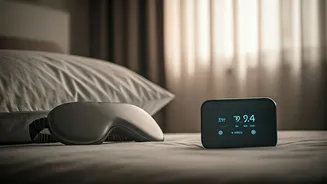
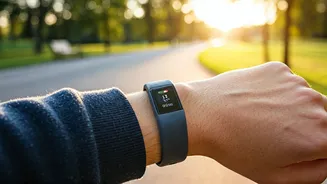
This shift isn't happening in a vacuum. It’s being amplified and accelerated by technology and social media. Wearable devices like the Oura Ring and Whoop strap have gamified recovery, providing users with daily 'readiness scores' based on sleep quality and physiological stress. Getting a low score is a data-driven nudge to take it easy. Meanwhile, on platforms like TikTok and Instagram, a new breed of fitness influencer is emerging. Instead of just posting thirst traps from the squat rack, they’re creating content centered on mobility routines, 'cozy cardio' sessions, and detailed tutorials on how to use a foam roller. This makes recovery knowledge accessible and visually engaging, turning what was once an afterthought into an aspirational part of the fitness journey.