


The Burnout of 'Perfect' Vacations
For decades, the ideal American vacation was synonymous with a full-service hotel. It promised crisp sheets, room service, a pool, and proximity to attractions. Yet for many, this model has begun to feel less like a reprieve and more like a lateral move.
The pressure to be 'on'—to check emails by the pool, to document every moment for social media, to navigate crowded breakfast buffets—mirrors the demands of the very work life we’re trying to escape. Hotels, with their constant hum of activity and implicit expectation of being a hub for sightseeing, can inadvertently keep us tethered to a frantic pace. We return home feeling like we need a vacation from our vacation, having seen everything but rested on nothing.
Enter the Intentional Disconnect
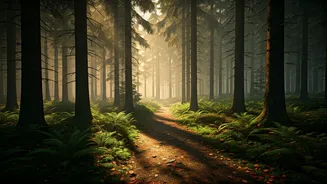
The forest escape—whether it’s a minimalist cabin, a sleek A-frame, or a canvas yurt—is a direct response to this exhaustion. It’s not an anti-travel movement; it’s an anti-obligation one. Companies like Getaway, which offers tiny cabins within a few hours of major cities, have seen explosive growth by selling the absence of things: no Wi-Fi, no television, and no distractions. Their success, along with the proliferation of similar rentals on platforms like Airbnb and Hipcamp, points to a collective craving for simplicity. The goal is no longer to cram as much activity as possible into a few days, but to do as little as possible. The main event is the forest itself: the sound of wind in the pines, the smell of damp earth after rain, the simple act of watching the sun set through the trees.
More Than Just a Pretty View
This shift is about more than just aesthetics. It taps into a well-documented human need for nature. The Japanese concept of 'shinrin-yoku,' or 'forest bathing,' has been studied for its physiological benefits, including reduced cortisol levels, lower blood pressure, and improved immune function. A weekend in the woods isn’t just a passive experience; it’s a restorative one. By stripping away the constant stimuli of modern life, these escapes force a mental reset. Time slows down. A walk in the woods becomes the day’s main activity, not a hurried task squeezed between reservations. Conversations deepen without the interruption of notifications. This brand of travel is less about seeing new places and more about finding a new state of mind.
Redefining Travel 'Luxury'
Perhaps the most significant aspect of this trend is how it redefines luxury. For a generation overwhelmed by choice and noise, true luxury is no longer about gold faucets and concierge services. It’s about silence, privacy, and uninterrupted focus. It’s the luxury of a clear night sky, of waking up to birdsong instead of an alarm, of having a few precious hours where no one expects a response. The forest escape flips the script: the most valuable amenity is the lack of them. This is not to say that hotels have no place, but their one-size-fits-all model is being challenged by a more elemental desire. The new status symbol isn't a five-star rating, but the freedom to completely and utterly unplug.