





The Scraps We Scorn
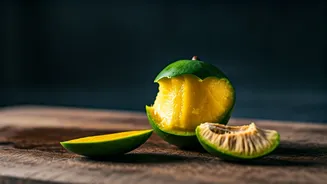
Let’s be clear: we’re not talking about the fibrous skins from the sweet, ripe, orange-fleshed mangoes you find in most American supermarkets. The comeback kid here is the unripened, green mango. In the culinary traditions of India, Southeast Asia, and
Latin America, green mangoes are a prized ingredient, valued for their firm texture and bracing sourness. The “scraps” in question are the peel and the inner kernel of the pit from these tart, green fruits. For generations, resourceful cooks have known that these parts, often discarded in Western kitchens, are packed with flavor and potential. They represent a philosophy of using the whole ingredient, a practice born from both necessity and a deep respect for food.
A Trend with Deep Roots
This “comeback” is less a new invention and more of a mainstream American awakening to long-standing global traditions. In the Philippines, green mango peels are often included in *burong mangga*, a simple lacto-fermented pickle. In many parts of India, the kernel inside the hard, woody pit is carefully extracted, dried, and powdered to create *amchur*—a potent souring agent used in everything from lentil dishes to spice blends. The peels themselves are sun-dried and used in pickles (*achar*) that can last for months. What we’re seeing on social media feeds and in progressive restaurant kitchens is a rediscovery of this culinary wisdom, reframed for a new audience obsessed with authenticity, bold flavors, and sustainability.
Why Now? The Tangy Appeal
Several forces are driving this tangy resurgence. First, the zero-waste movement has moved from a niche concern to a mainstream kitchen goal. Home cooks are actively looking for ways to reduce food waste, and using peels and pits is a tangible, delicious way to do it. Second, the American palate is evolving. We’ve fallen hard for the sour, funky flavors of kimchi, kombucha, and craft sour beers. The sharp, mouth-puckering tang of green mango scraps fits perfectly into this expanding flavor landscape. Finally, there’s the power of the internet. A chef in Mumbai or a home cook in Manila can share a family recipe for mango peel candy or pickled pits, and it can go viral, inspiring thousands of curious eaters to try it for themselves.
From Trash to Treasure: Getting Started
Intrigued? Getting started is easier than you think. First, source the right ingredient: find firm, unripe green mangoes, often available at Asian, Latin, or specialty grocery stores. Ensure they are organic or wash them thoroughly, as you’ll be consuming the peel. For the peels, you can slice them thinly and add them to a brine with salt, a touch of sugar, and spices like chili and turmeric for a quick pickle. Another option is to toss them in sugar and dehydrate them for a sour-and-sweet “candy.” For the pit, carefully crack open the woody outer shell (after the flesh is removed) to reveal the soft inner kernel. This kernel can be grated fresh into salads for a tart crunch or, more traditionally, dried and ground into a powder to use as a seasoning.
The Flavor Profile: What to Expect
If you’re expecting the tropical sweetness of a ripe mango, you’re in for a surprise—a pleasant one, hopefully. The flavor of raw mango scraps is overwhelmingly sour, with a green, slightly resinous note from the peel. It’s a clean, bright acidity that can cut through richness and add a vibrant kick to dishes. The texture of pickled peels is tender-crisp, similar to a good cucumber pickle. The dried kernel powder, *amchur*, delivers a concentrated sourness with a unique, slightly fruity undertone. Think of it less as a fruit and more as a powerful, natural souring agent, like sumac or tamarind, ready to electrify your cooking.