


Why the Gates Are Closing
Every year, typically from the beginning of July to the end of September or mid-October, most of India's core tiger-spotting zones shut down. This isn't an arbitrary holiday; it’s a crucial ecological pause dictated by the arrival of the monsoon. The
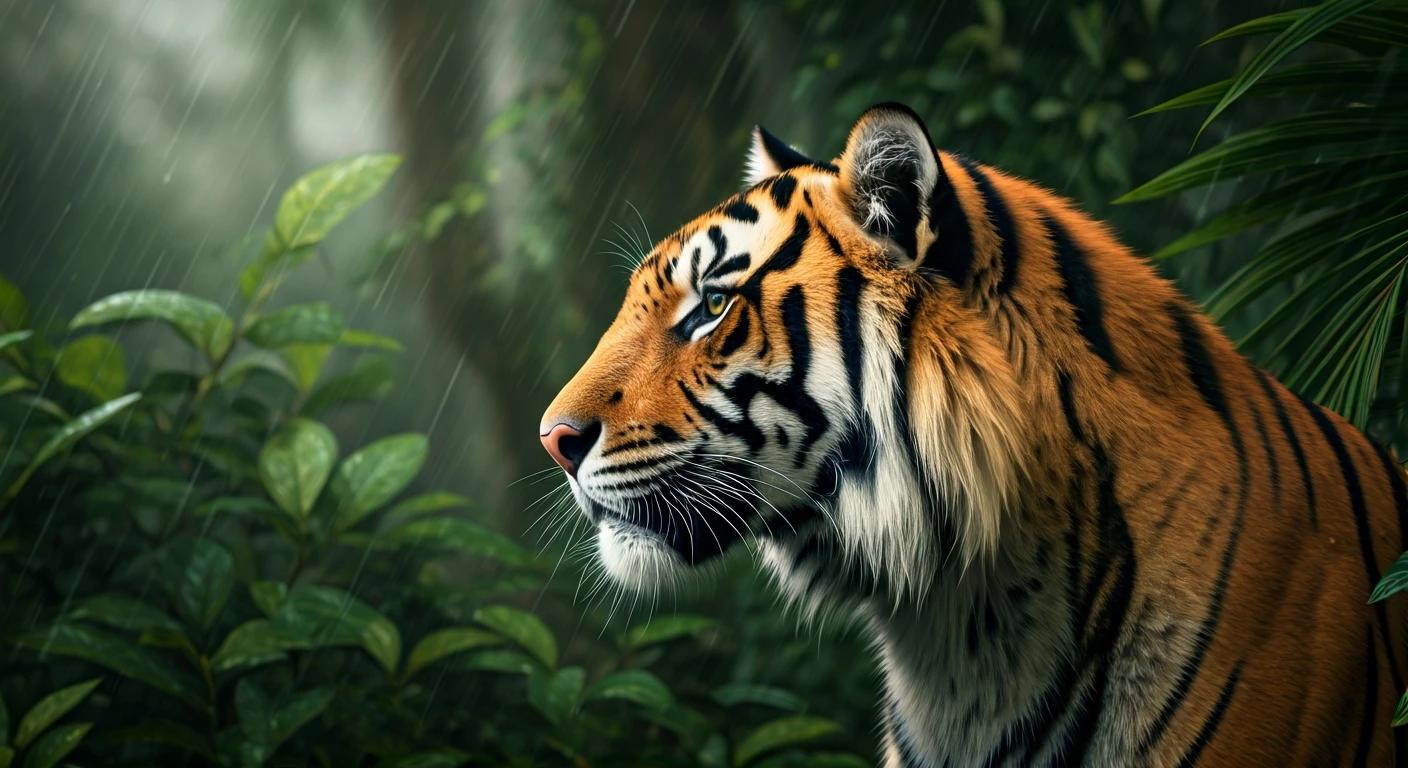
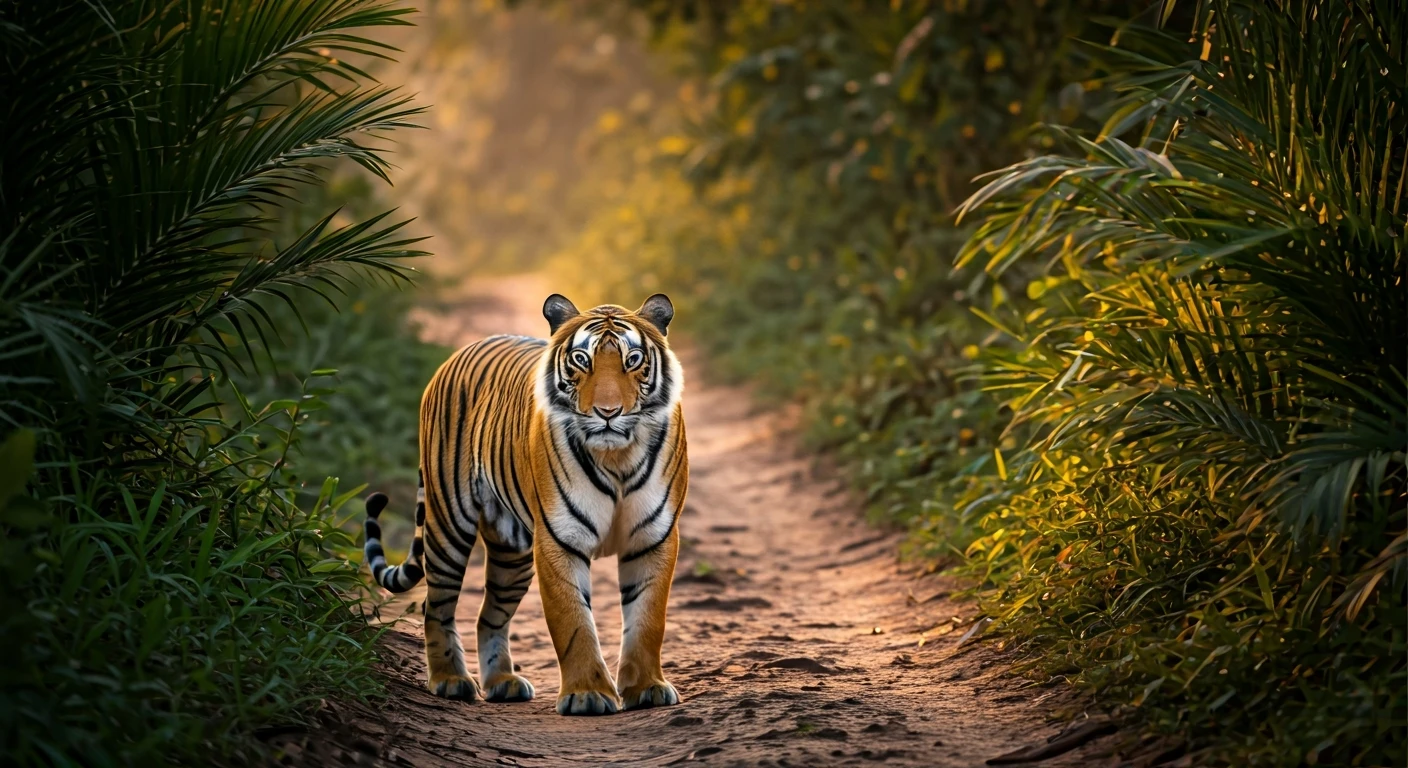
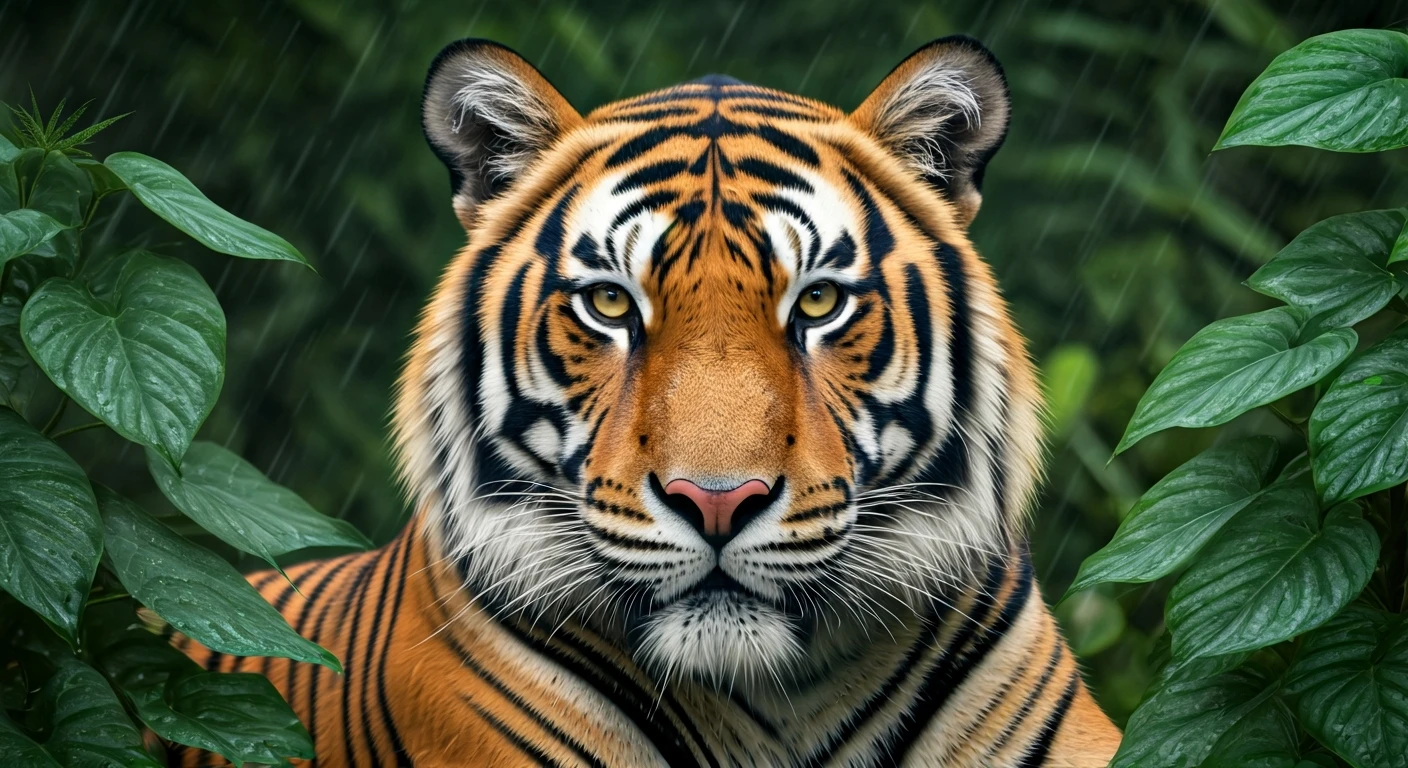
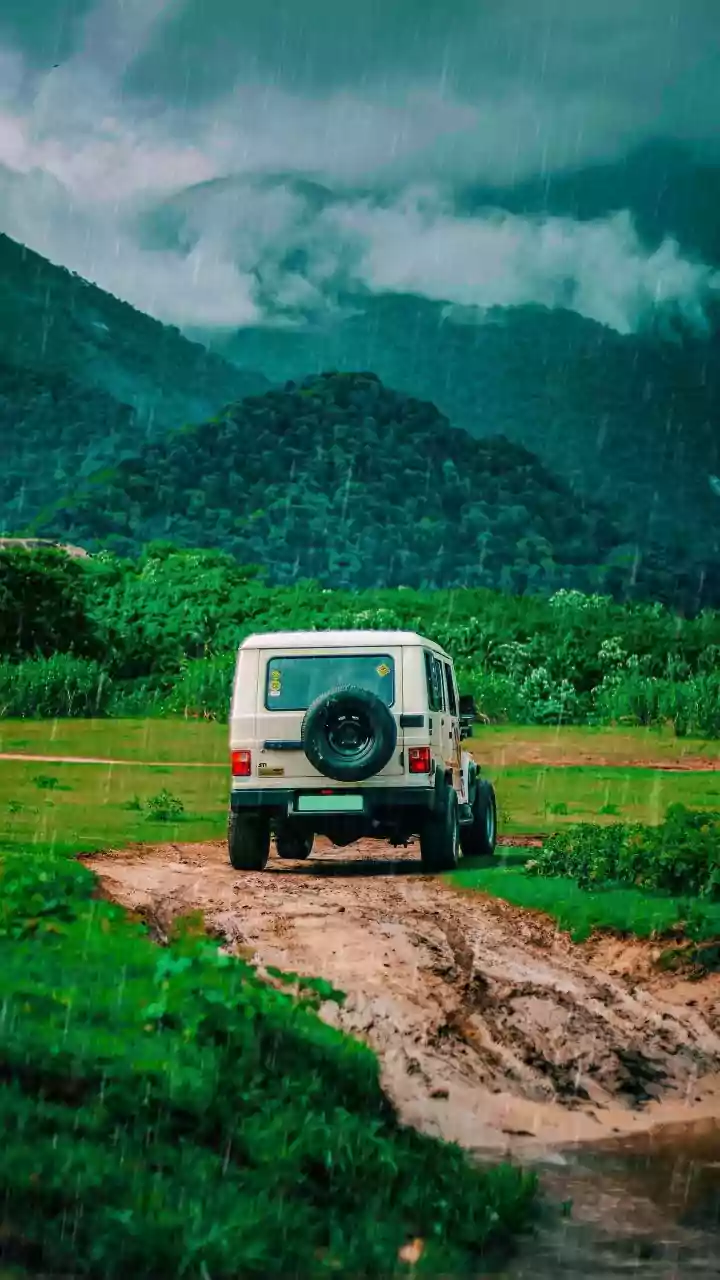
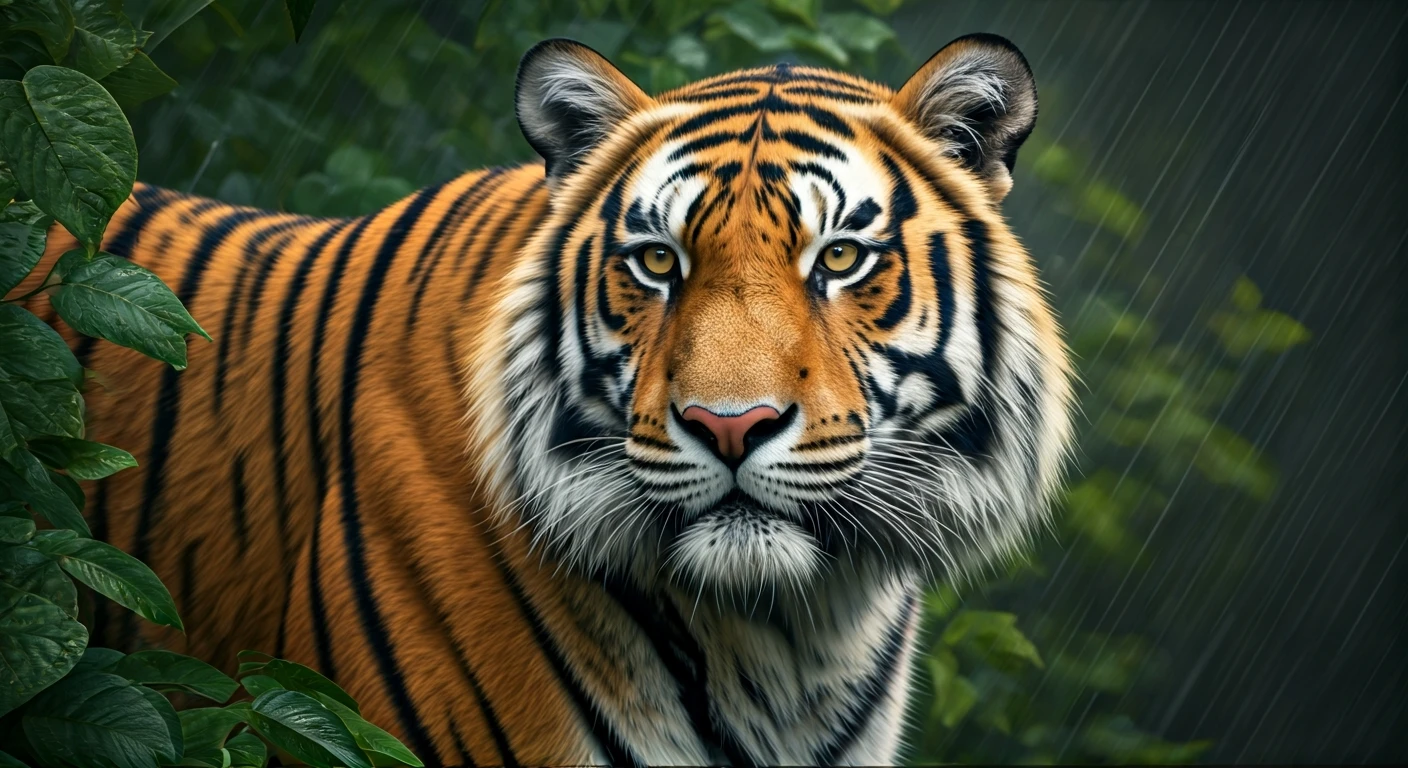
torrential rains that sweep across the subcontinent transform the dry, dusty landscapes into lush, vibrant jungles. While beautiful, this weather makes the dirt tracks and safari trails within the parks muddy, impassable, and unsafe for vehicles. More importantly, the monsoon is a vital period for the ecosystem to regenerate. It’s also the primary breeding season for many species, including tigers. Closing the parks reduces human disturbance, giving the animals privacy and space during a critical time. Think of it less as an inconvenience for tourists and more as an essential investment in the long-term health of these precious habitats and the magnificent creatures that call them home.
Ranthambore National Park, Rajasthan
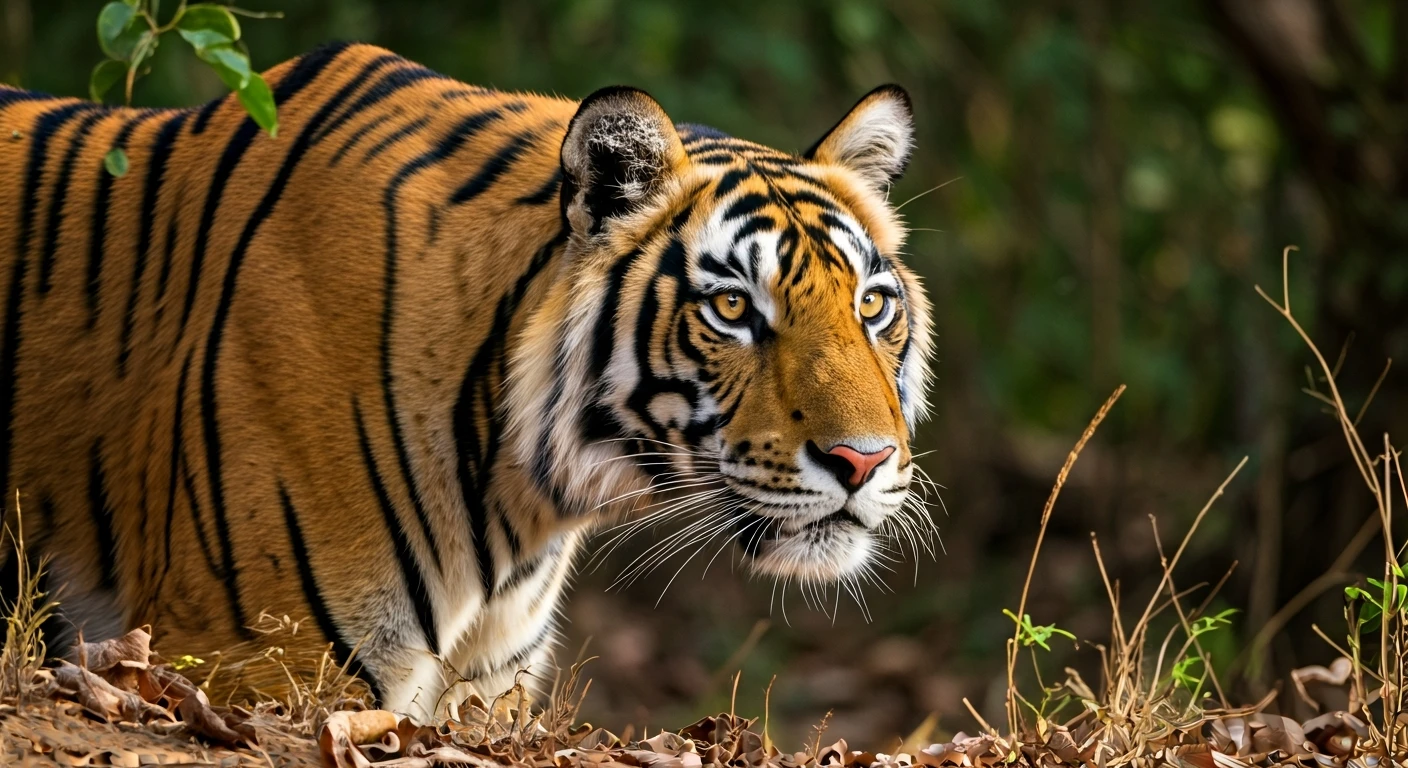
Perhaps the most famous of all, Ranthambore is known for its dramatic scenery, where ancient forts and ruins overlook lakes teeming with wildlife. Its celebrity tigers are well-documented, making it a bucket-list destination for photographers and wildlife lovers. Located in the state of Rajasthan, the park is relatively accessible from major cities like Delhi and Jaipur. Ranthambore’s core zones typically close from July 1st to September 30th. However, it's worth noting that in recent years, some of its peripheral zones (usually Zones 6-10) have remained open for safaris, offering a different, albeit sometimes less predictable, monsoon experience. For the classic Ranthambore safari in the prime zones, you'll need to plan your trip outside this window.
Bandhavgarh and Kanha, Madhya Pradesh
Deep in the heart of India, the state of Madhya Pradesh is often called the 'Tiger State'—and for good reason. It’s home to several world-class reserves, including Bandhavgarh and Kanha. Bandhavgarh boasts one of the highest densities of Bengal tigers in the world, increasing your chances of a sighting. Kanha, a vast expanse of sal forests and grassy meadows, is said to be the landscape that inspired Rudyard Kipling’s *The Jungle Book*. Both parks offer an immersive, wild experience far from the urban hustle. They follow a stricter monsoon schedule, generally closing completely from July 1st until mid-October (often reopening around October 15th). The post-monsoon reopening reveals a stunningly green and revitalized landscape.
Jim Corbett National Park, Uttarakhand
As India's oldest national park, Jim Corbett holds a special place in the country's conservation history. Nestled in the foothills of the Himalayas, its diverse terrain includes riverine belts, hills, and grasslands, supporting a rich array of wildlife beyond tigers, including wild elephants. Corbett has a more complex, zone-based closure system. While its premier zones like Dhikala and Bijrani shut down during the monsoon (around June 15th to November 15th for Dhikala), other zones like Jhirna and Dhela have been developed for year-round tourism. A monsoon visit here is possible, but it comes with a trade-off: the landscape is breathtakingly beautiful, but the dense foliage and wet conditions can make tiger sightings more challenging than in the dry season.
Planning for the Next Safari Season
If you've missed the window for this year, don't despair. The seasonal break is the perfect time to plan for the next prime safari season. The best times to visit are generally right after the monsoon (October to November), when the parks are lush and green, and during the hotter, drier months (March to May), when water sources shrink and animals congregate around the remaining waterholes, making them easier to spot. Safaris, especially in top parks like Ranthambore and Bandhavgarh, get booked up months in advance. Use this off-season to research reputable tour operators, decide which park best fits your travel style, and secure your permits and lodging. Booking six to nine months ahead is not uncommon, particularly if you want to stay at one of the popular lodges right outside the park gates.