
The Golden Age of Clutter
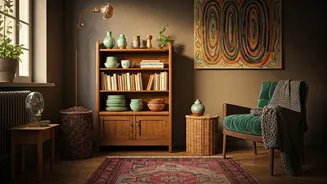
Remember “cluttercore”? How about “dopamine decor”? For the better part of the last decade, the prevailing design wisdom encouraged us to shed the shackles of sterile minimalism and embrace our stuff. Inspired by a blend of grandmillennial nostalgia and TikTok-fueled
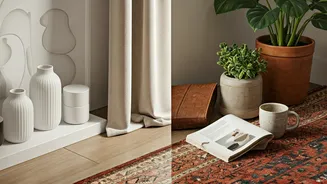
aesthetics, our spaces became vibrant, personal museums. Walls groaned under the weight of gallery hangs, shelves overflowed with quirky thrift-store finds, and every surface held a story—or at least a cute, non-functional ceramic object. This was design as pure expression. The goal wasn't tranquility; it was joy, personality, and visual interest. In a world that often felt gray and restrictive, filling our homes with color, pattern, and beloved objects felt like a defiant act of self-creation. It was fun, photogenic, and deeply personal. But for many, the party is winding down, and the cleanup has begun.
Defining Calm Utility
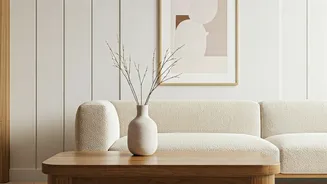
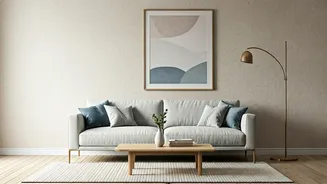
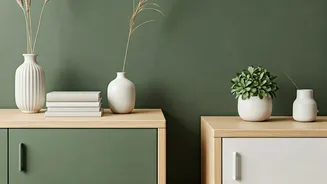
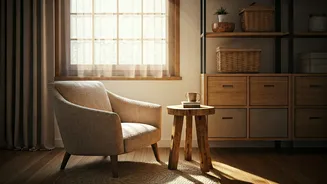
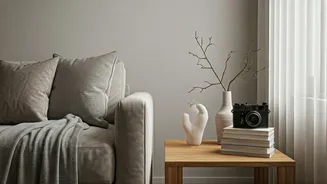
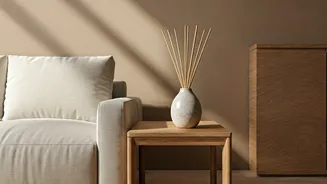
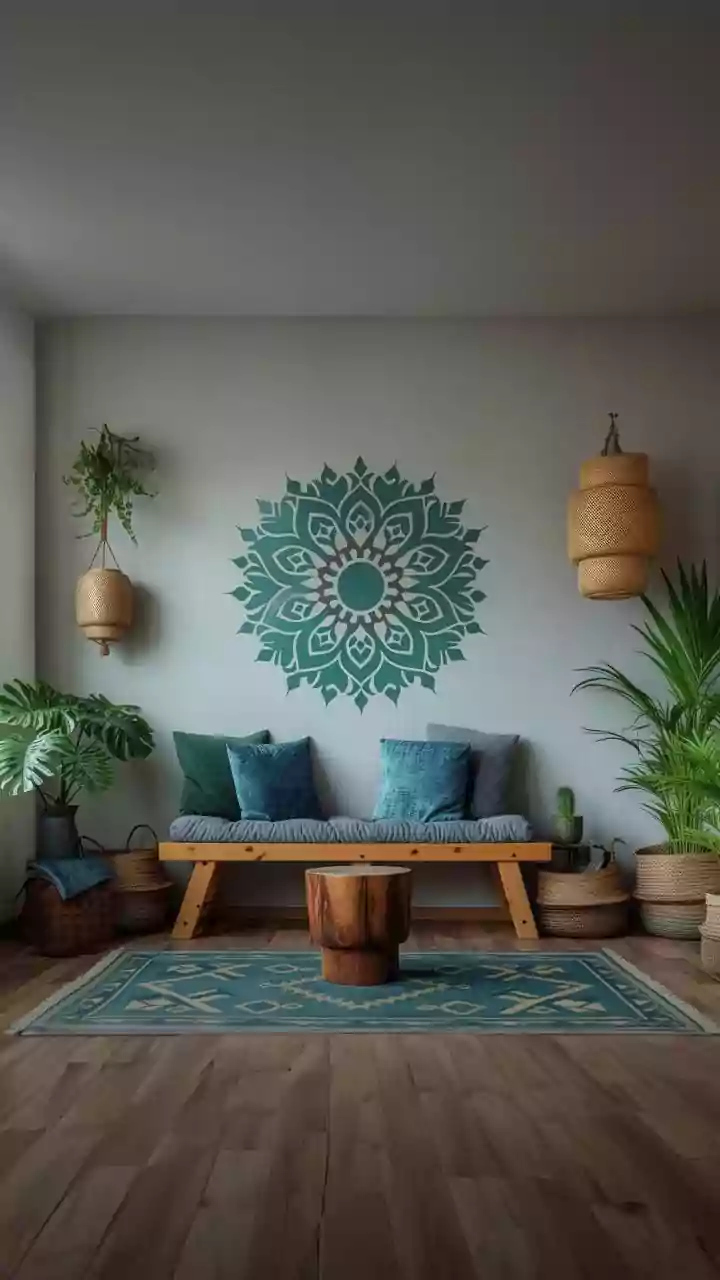
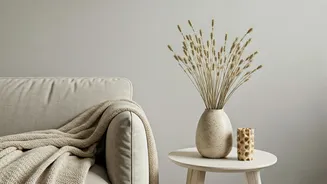
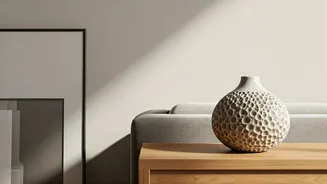
The antidote to decorative chaos isn’t a return to cold, empty minimalism. Instead, it’s a pivot toward “calm utility.” This philosophy isn't about having less; it's about making sure that what you have serves a purpose—both functionally and emotionally. Think of it as the thoughtful intersection of Japanese and Scandinavian design principles (Japandi), the wellness movement, and good old-fashioned practicality. Calm utility prioritizes natural materials like wood and linen, clever storage that hides clutter, and multi-functional furniture that works smarter, not harder. A beautiful wooden bench isn't just for looks; it has hidden storage. A sculptural ceramic vessel isn't just an object; it’s where you drop your keys every day. The aesthetic is warm, serene, and rooted in the real-world needs of the people living there. It’s a home that supports your life, rather than one that just displays it.
Why We're Craving Order Now
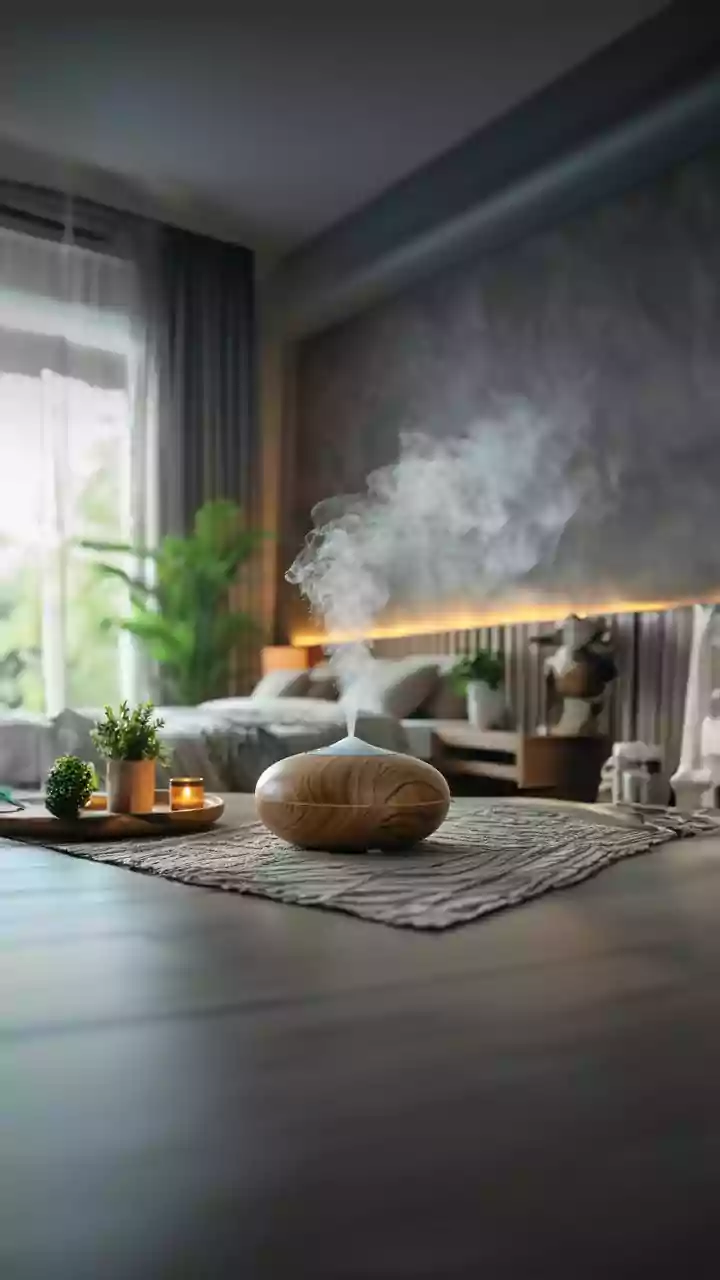
This shift isn’t happening in a vacuum. After several years of global uncertainty, economic anxiety, and digital overload, our homes have been cemented as our primary sanctuary. The line between work, school, gym, and home has blurred into nonexistence. A space that felt joyfully expressive when we only saw it for a few hours a day can suddenly feel visually noisy and stressful when it’s also your office, cafeteria, and entire world. The constant visual stimulation of a maximalist interior can start to feel like another demand on our overtaxed attention spans. Calm utility offers a powerful sense of control. In a world we can’t manage, we can at least manage our immediate environment. Creating a space that is orderly, functional, and peaceful is a psychological balm. It’s a conscious choice to lower the visual volume and create a haven that genuinely recharges our batteries.
Utility With a Soul
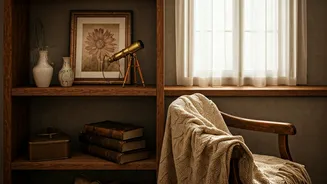
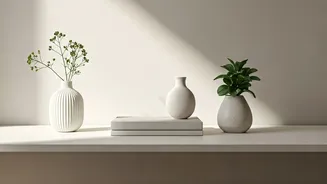
The fear with any move toward function is that we’ll lose personality. But calm utility isn’t about purging all sentiment. It’s about being more intentional. Instead of ten small, decorative objects on a mantel, it’s about one beautiful, handcrafted vase that you actually use for flowers. Instead of a chair that’s too precious to sit in, it’s about a perfectly comfortable armchair with a beautiful throw blanket. This approach forces a more considered form of consumerism. You start asking different questions: Is this well-made? Will it last? Does it solve a problem for me? Does its beauty enhance my daily routine? The result is a home filled with things that have been thoughtfully curated, not just accumulated. The soul of the space comes from the quality and purpose of its contents, creating a deeper, more sustainable form of beauty that doesn’t rely on trends.