



The Unsung Dairy Aisle Heroes
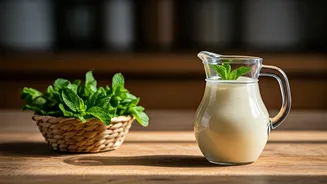
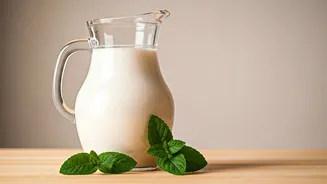
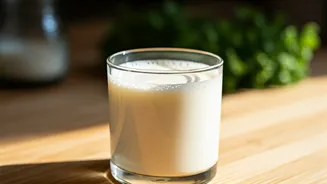
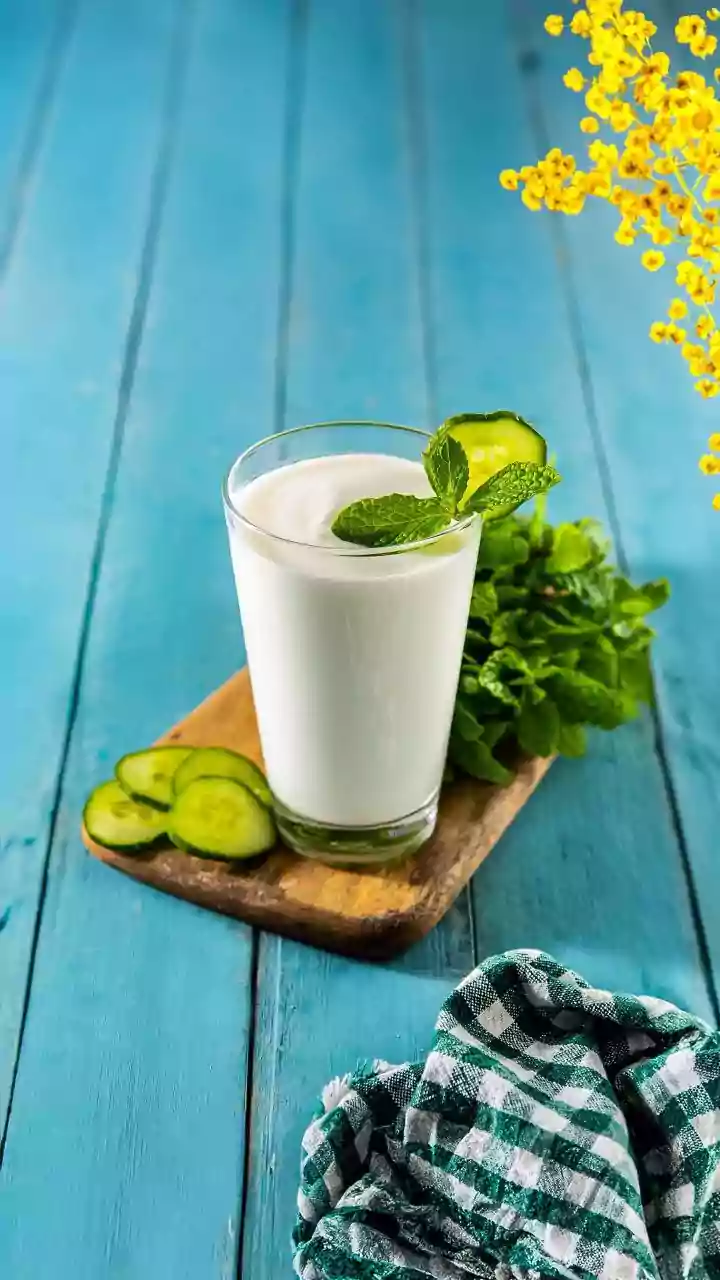
Let’s get specific. When we talk about “buttermilk-style sips,” we’re not necessarily talking about the liquid left over from churning butter—that’s traditional buttermilk. We’re talking about its modern, widely available cousin: cultured buttermilk. This
is the stuff you see in cartons next to the milk. It’s low-fat milk that has been inoculated with beneficial bacteria, or live active cultures, which ferment the milk, thicken it, and give it that signature tangy flavor. Its closest relative in the cooler is kefir, another fermented milk drink that originated in the Caucasus Mountains. Kefir is often even more potent, boasting a wider variety of bacteria and yeasts. Both are tart, creamy, and packed with the gut-friendly microorganisms that the wellness world is so obsessed with.
Probiotic Power Without the Price Tag
The term “probiotic” simply refers to live microorganisms that, when consumed in adequate amounts, confer a health benefit. The wellness industry has brilliantly marketed this concept in beautifully packaged, single-serving products. But cultured buttermilk and kefir have been delivering on this promise for generations, without the fancy branding. The fermentation process creates a thriving ecosystem of bacteria like Lactobacillus, which are known to help support a balanced gut microbiome. A healthy gut environment is linked to better digestion, a well-functioning immune system, and more. While those pricey little shots offer a concentrated dose, a simple glass of kefir or buttermilk provides a substantial serving of diverse, live cultures for a fraction of the cost. It’s the original gut health drink, hiding in plain sight.
Breaking Down the 'Budget Flex'
Here’s where it becomes a “flex.” It’s about being savvy enough to get the same, if not better, benefits for less. Let's do the math. A typical 12-ounce bottle of kombucha can run you $4 to $5. A two-ounce probiotic “wellness shot” can be just as expensive. Meanwhile, a full 32-ounce (one-quart) carton of cultured buttermilk or plain kefir often costs between $3 and $5. That’s roughly 8 to 16 times more product for the same price. By opting for a humble carton of kefir over a trendy bottled beverage, you’re essentially choosing value and function over marketing and markups. It’s a quiet, confident move that says you’re focused on the nutritional substance, not the stylish packaging. That’s a smart use of your grocery budget, and in today's economy, that’s a real flex.
How to Actually Use It
Okay, so you bought a carton. Now what? The tangy flavor can be an acquired taste, but its versatility is a major selling point. The easiest way is to use it as a base for smoothies. The tartness cuts through the sweetness of fruit like bananas and berries, and it adds a creamy texture and a probiotic boost without the added sugars found in many yogurts. You can also drink it straight up, especially a flavored kefir. For a savory twist, use it to make salad dressings (think a healthier ranch or green goddess), or as a marinade for chicken or pork—the active cultures and acidity tenderize the meat beautifully. It’s also a secret weapon in baking, creating incredibly moist pancakes, biscuits, and cakes. Start by swapping it in for milk or yogurt in a recipe you already love.