



The Pre-Monsoon Weather Window
Manali, a bustling hub nestled in the mountains of Himachal Pradesh, has a notoriously tricky climate calendar. While July and August are synonymous with the Indian monsoon—a period of torrential downpours, landslides, and frequent travel disruptions—June
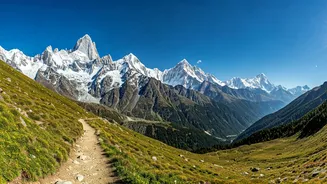
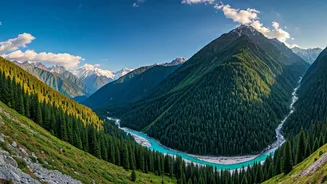
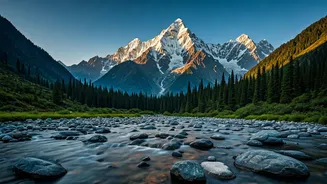
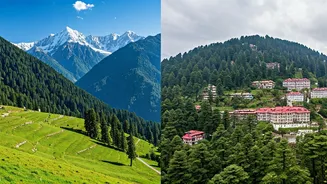
offers a tantalizing preview without the full commitment. Meteorologically, it’s the “pre-monsoon” season. You’ll experience the first dramatic showers that wash away the dust of spring, transforming the Kullu Valley into a vibrant, impossible green. The air is fresh, the temperatures are pleasant, and while you should expect occasional rain, it’s typically a passing afternoon storm, not the relentless, days-long deluge that defines the peak season. This creates the ideal conditions for exploration: the landscape is lush and alive, but your plans are far less likely to be washed out. It’s the difference between packing a good rain jacket and packing a good book to read while you’re stuck indoors for a week.
Adventure is Open for Business
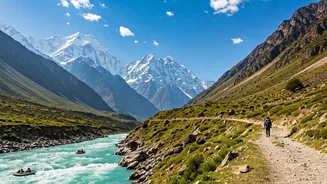
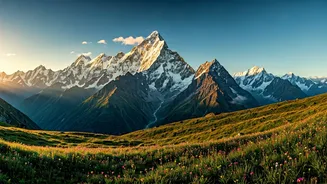
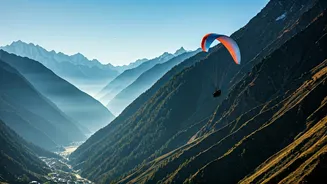
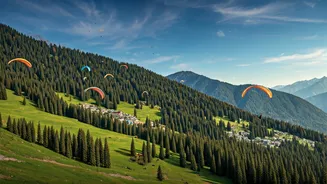
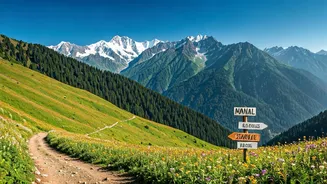
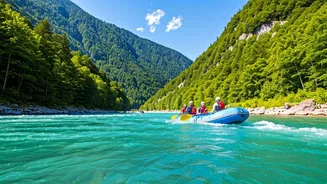
The main draw of Manali is its role as a basecamp for high-altitude fun, and in June, the adventure menu is fully open. The Solang Valley, a short drive away, is buzzing with activity. This is the prime time for paragliding, where you can soar over the valley with the massive, snow-dusted Pir Panjal range as your backdrop. The Beas River, fed by melting snow, is swelling to perfect levels for white-water rafting, offering Class II and III rapids that provide a serious thrill without being overly treacherous. For trekkers, conditions are nearly ideal. Popular day hikes to spots like Jogini Falls or Lamadugh are accessible, with trails that are muddy in spots but not yet the slippery messes they will become. You get the benefit of blooming wildflowers and green meadows under dramatic, cloud-dusted skies. Unlike later in summer, most operators are running at full capacity, confident that the weather will hold for their daily excursions.
The High Passes Are Finally Unlocked
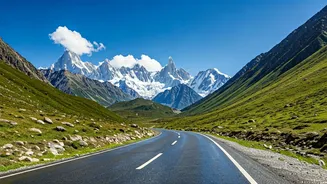
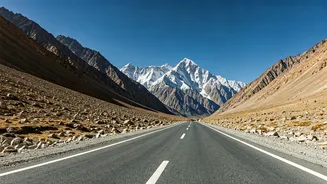
For many travelers, Manali is not the final destination but a gateway. The legendary Manali-Leh highway, a bucket-list road trip for motorcyclists and adventurers worldwide, is blocked by snow for more than half the year. The key is the Rohtang Pass, a breathtakingly high mountain pass at 13,058 feet. Indian army snow-clearing crews work tirelessly through the spring, and the pass typically opens for traffic in late May or early June. A June visit means you are among the first to cross over into the remote, arid landscapes of the Lahaul and Spiti Valleys. It’s an incredible moment of transition, leaving the green, monsoon-affected side of the Himalayas for the stark, Tibetan-plateau-like “rain shadow” region on the other side. Whether you’re planning the full journey to Leh or just a day trip to the top of the pass for the staggering views, June is often your first and best chance to do it.
What to Pack and Expect
Packing for Manali in June is all about strategic layering. Days can be warm and sunny, especially when you’re hiking, but evenings turn cool quickly. The sun at high altitude is intense, so sunscreen, a hat, and sunglasses are non-negotiable. Most importantly, you need reliable waterproof gear. A high-quality, breathable rain jacket is essential for fending off those afternoon showers. Waterproof hiking shoes or sturdy boots are also a must, as trails can be slick with mud even after a short burst of rain. Think of it as dressing for a crisp, unpredictable spring day in the American Rockies. While you might see tourists in flip-flops in the main market, you’ll be far more comfortable and prepared for spontaneous adventure with proper footwear. Also, bring a sense of flexibility. A sudden downpour might delay your paragliding trip by an hour, but it also creates the perfect excuse to duck into a local café for some hot chai and momos (Tibetan dumplings).