






What Makes a 'Mango Capital'?
Before you picture a formal competition with judges and a trophy, understand that the title of 'World Mango Capital' is more an ambition than an official award. It's a declaration of cultural and agricultural supremacy. While other regions might produce
more mangoes by sheer volume, Lucknow's claim rests on three pillars: history, variety, and an almost fanatical devotion to the fruit. The city, along with its nearby mango-growing belt of Malihabad, argues that no other place on Earth has a relationship with the mango that is as deep, poetic, and historically significant. This summer's push is a coordinated effort to turn that local pride into a global brand, inviting the world to taste what they believe is the pinnacle of mango perfection.
The King of Mangoes: The Dussehri
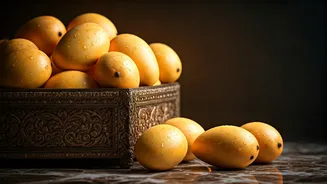
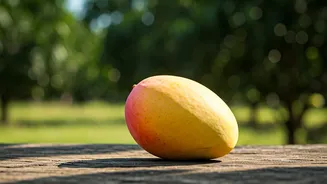
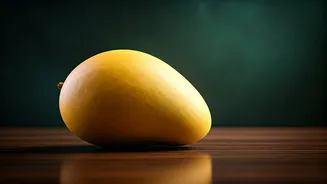
At the heart of Lucknow's claim is the legendary Dussehri mango. For Americans accustomed to the round, reddish Tommy Atkins variety, the Dussehri is a revelation. It's a slender, bright yellow-green fruit with golden-orange flesh that is completely fiberless, melting in your mouth like a sweet, fragrant nectar. Its flavor profile is a complex blend of honey and sunshine with a subtle, perfumed aroma. Legend traces all Dussehri trees back to a single 200-year-old 'mother tree' in the Malihabad orchards, a living monument to the region's horticultural legacy. This isn't just a piece of fruit; it's a piece of history you can eat, and it's the primary weapon in Lucknow's arsenal for the mango crown.
A Tradition Steeped in History
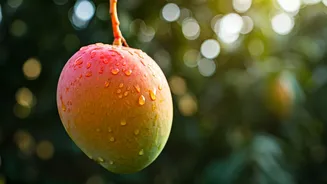
Lucknow's love affair with the mango dates back centuries to the time of the Nawabs, the lavish rulers of the historic Awadh kingdom. These royals were not just patrons of the arts and cuisine; they were obsessive horticulturalists. They cultivated vast orchards, known as 'baghs,' and hosted elaborate mango festivals and tasting parties. Mangoes were the subject of poetry and a symbol of high culture. Gifting a box of the season's best mangoes was a gesture of immense respect and friendship. This deep cultural embedding is what separates Lucknow from other mango-growing regions. The fruit is woven into the city's identity, a sweet, recurring motif in its history, art, and social customs.
From Local Pride to Global Brand
The campaign for 'World Mango Capital' is a modern twist on this old tradition. The government of Uttar Pradesh, the state where Lucknow is located, is actively promoting its mangoes for export and has secured a Geographical Indication (GI) tag for the Malihabadi Dussehri. This tag functions much like 'Champagne' from France or 'Parma Ham' from Italy, certifying its origin and quality. This summer, the strategy involves mango festivals aimed at tourists and trade buyers, digital marketing campaigns, and a push to get these delicate, delicious fruits into the hands of international consumers. The goal is to transform a cherished local secret into a globally recognized luxury product. It’s a calculated move to leverage a rich cultural heritage for economic benefit, ensuring the story of the Dussehri mango reaches a much wider audience.