


Understanding the 'Usual Loop'
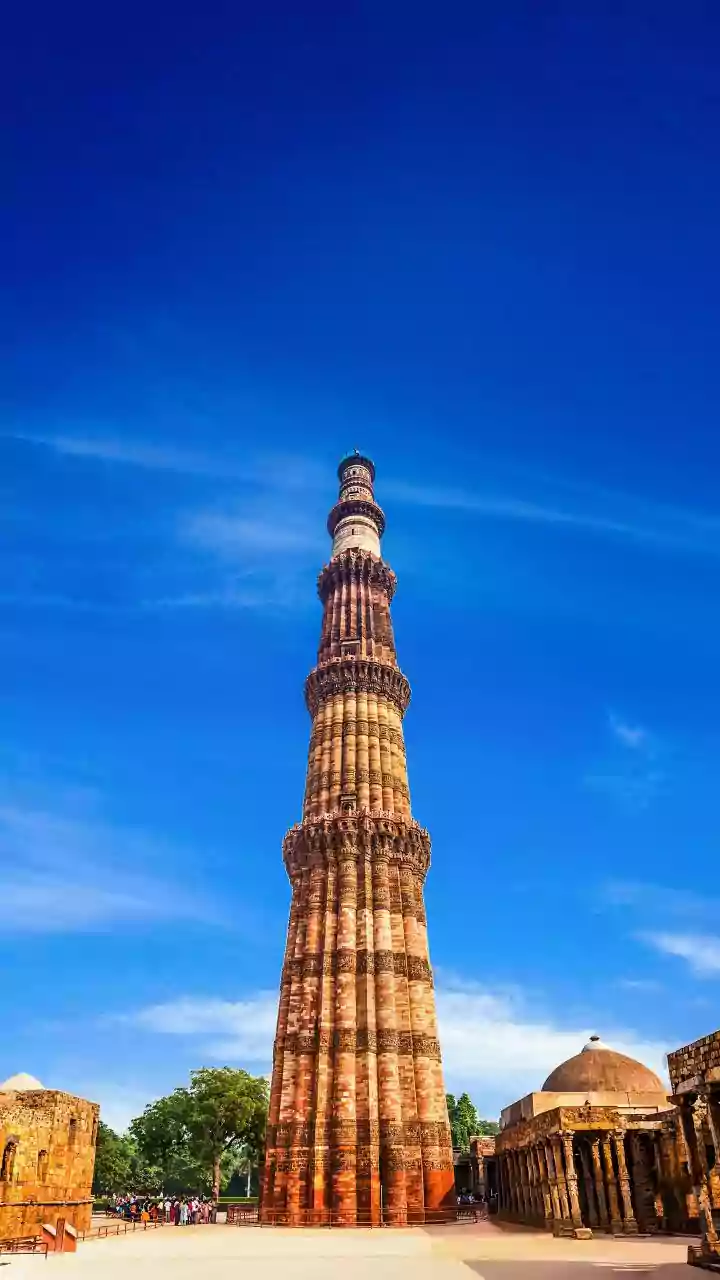
First, let's define the classic circuit. The “Golden Triangle” is a well-worn path connecting three of North India's most historically significant cities: Delhi, the sprawling capital; Agra, home to the magnificent Taj Mahal; and Jaipur, the vibrant “Pink
City” of Rajasthan. For decades, this has been India 101—a brilliant, efficient, and often overwhelming introduction to the country's Mughal history, royal palaces, and chaotic urban energy. It’s an essential trip for a reason. However, it represents just a sliver of what the world’s most populous country has to offer. The new trend isn’t about skipping the Taj Mahal, but about adding destinations that offer a completely different texture of Indian life, moving beyond the postcard to something more personal and profound.
The Serene South: Kerala's Backwaters
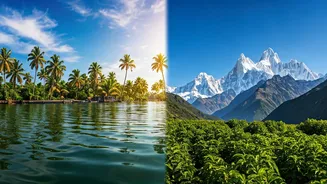
If the Golden Triangle is a symphony of horns, history, and hustle, Kerala is a quiet poem. Located on India’s tropical Malabar Coast, this southern state is a world away from the dusty plains of the north. The main draw is the “backwaters,” a vast network of tranquil lagoons, lakes, and canals fringed by palm trees and rice paddies. The quintessential experience is hiring a “kettuvallam” (a traditional thatched-roof houseboat) for a night or two. As you drift along the water, you’ll witness village life unfold at a gentle pace: children heading to school by canoe, fishermen casting their nets, and the scent of coconut and spices wafting from riverside homes. It’s a meditative and lush counterpoint to the intensity of the big cities.
Spiritual Heights: Rishikesh & The Himalayas
Known as the “Yoga Capital of the World,” Rishikesh gained fame in the West when The Beatles visited in 1968. Today, it’s a booming hub for spiritual seekers and adventure junkies alike. Nestled in the Himalayan foothills on the banks of the holy Ganges River, the town is packed with yoga ashrams, meditation centers, and vegan cafes. But it’s not all downward dog and mindfulness. The same river that hosts nightly “Ganga Aarti” (fire ceremonies) also offers some of India’s best whitewater rafting. The air is cleaner, the scenery is staggering, and the vibe is a unique mix of sacred and thrilling. It’s a place to challenge your body, calm your mind, and gaze at mountains that have inspired pilgrims for millennia.
Coastal Paradise: The Andaman and Nicobar Islands
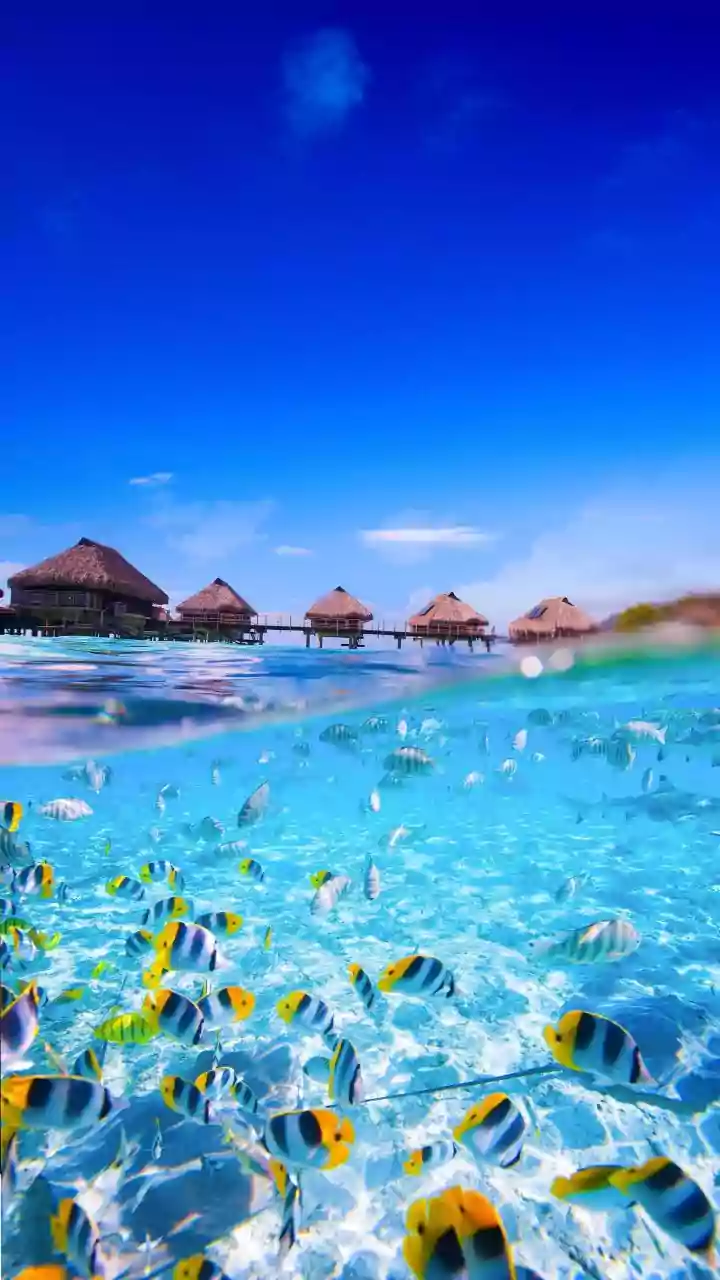
For travelers dreaming of Southeast Asia’s idyllic beaches but wanting an Indian twist, the Andaman Islands are the answer. This remote archipelago sits in the Bay of Bengal, closer to Thailand than to the Indian mainland. The main tourist hub, Havelock Island (Swaraj Dweep), is home to Radhanagar Beach, often cited as one of the best in Asia. Think powder-white sand, turquoise water, and a backdrop of dense tropical forest. Beyond sunbathing, the islands offer world-class scuba diving and snorkeling, with vibrant coral reefs and rich marine life. The region also has a dark but important history, centered around the colonial-era Cellular Jail in the capital, Port Blair, offering a somber lesson amidst the paradise.
The Undiscovered East: Meghalaya's Living Root Bridges
Perhaps the most visually stunning and unique destination on the new circuit is in India’s northeast, a region culturally and geographically distinct from the rest of the country. The state of Meghalaya, which translates to “Abode of the Clouds,” is one of the wettest places on Earth. Here, for centuries, the indigenous Khasi and Jaintia peoples have guided the roots of rubber trees across rivers, weaving them into functional, living bridges that strengthen over time. Reaching these natural wonders often requires a strenuous hike through misty rainforests and past thunderous waterfalls, but the reward is a sight that feels torn from a fantasy novel. It’s a testament to sustainable engineering and a powerful symbol of living in harmony with nature.