



An Evolution, Not a Trend
For years, “farm-to-table” was a menu buzzword, a vague promise of freshness that could mean anything from a crate of tomatoes from a regional distributor to a sprig of parsley from a kitchen-adjacent pot. But we’ve moved into a new era. The most forward-thinking
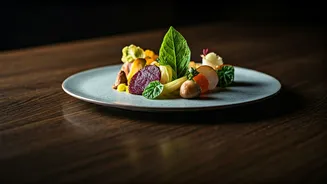
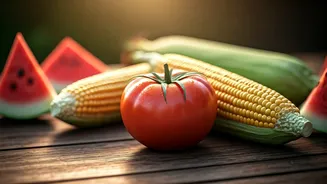
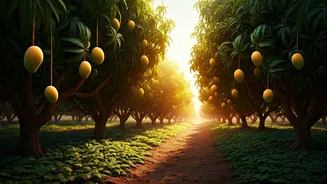
chefs are no longer just sourcing locally; they are building their entire culinary identity around a specific place. This isn’t just farm-to-table; it’s terroir-to-table. The goal is no longer just to serve fresh food, but to serve a story—a direct, edible connection to the immediate landscape. The single, perfect beet isn't just a vegetable; it's a representation of a specific field, a particular season, and a unique relationship between a chef and a grower. This philosophy turns a meal from a simple transaction into a rich, immersive experience.
The Chef as Storyteller
In this new paradigm, the chef’s role has expanded. They are no longer just masters of technique, but curators, historians, and storytellers. Chefs like Dan Barber of Blue Hill have championed the idea that a restaurant’s menu should be a direct reflection of the health and biodiversity of its surrounding ecosystem. When a chef introduces a dish by naming the farm—or even the farmer—who grew the carrots, they are doing more than providing provenance. They are anchoring the diner to a community. The dish becomes a conversation between the land, the farmer, the chef, and the guest. This narrative layer is what transforms a delicious meal into a memorable one. It provides a sense of authenticity that diners increasingly crave, a reassurance that what they’re eating has a past, a purpose, and a place.
The Psychology of 'Rooted'
Why does knowing a potato came from Farmer Jane’s heirloom patch make it taste better? Part of it is psychological. In a world of globalized supply chains and anonymous, plastic-wrapped foods, a locally sourced ingredient feels like an act of rebellion. It’s tangible, traceable, and real. This connection satisfies a deep-seated human desire for authenticity and belonging. When we eat food that is deeply connected to the place we are in, we feel more connected to that place ourselves. It grounds us. This isn’t just about flavor profiles; it’s about reducing the distance between ourselves and the source of our sustenance. That proximity creates a sense of trust and intimacy with our food that is nearly impossible to replicate with ingredients shipped from thousands of miles away.
A More Meaningful Luxury
Ultimately, the shift toward hyper-local sourcing is redefining luxury itself. The old model of fine dining was often about conspicuous consumption—importing the rarest, most exotic ingredients from across the globe, like foie gras from France or truffles from Italy. It was a display of purchasing power. Today’s luxury is increasingly about access, not acquisition. It’s the ability to experience something unique and fleeting, like the first asparagus of spring from a nearby valley or a wild berry foraged from a local forest that morning. This approach is more sustainable, both environmentally and economically, as it supports local farmers and reduces food miles. More importantly, it offers a richer, more meaningful form of indulgence—one rooted not in extravagance, but in a profound sense of place.