

The Antidote to Summer Overload
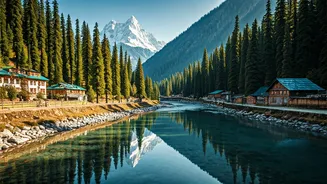
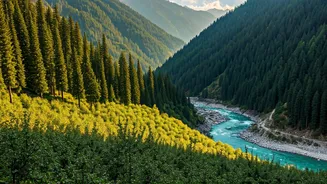
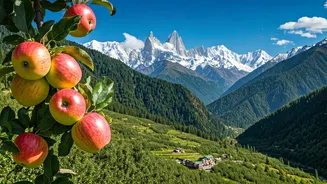
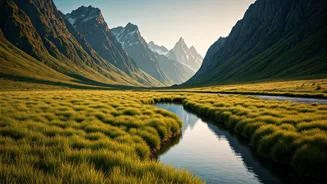
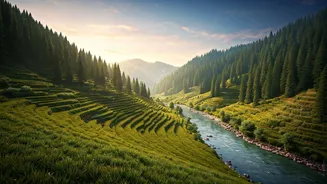
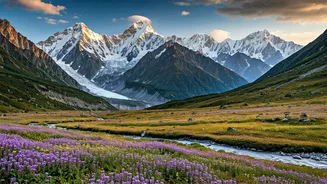
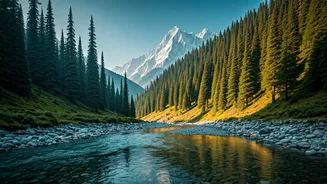
Nestled on the banks of the Bhagirathi River in India's northern state of Uttarakhand, Harsil is a small village that feels worlds away from modern chaos. At an elevation of around 8,500 feet, it’s a landscape of deodar forests, sprawling apple orchards,
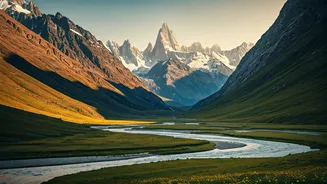
and snow-capped peaks piercing a crisp blue sky. Unlike more commercialized mountain towns, Harsil’s currency is tranquility. There are no bustling market streets or aggressive tour operators. Instead, the soundtrack is the rush of the river and the whisper of pine-scented wind. For the American traveler seeking an authentic escape rather than a tourist trap, Harsil offers an opportunity to disconnect from the noise and reconnect with a slower, more intentional pace of life. It’s less a destination to be conquered and more an atmosphere to be absorbed.
June's Perfect Weather Window
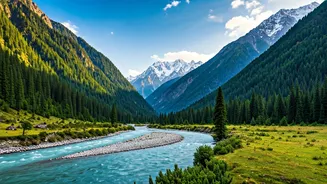
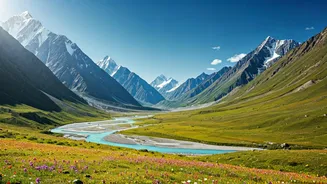
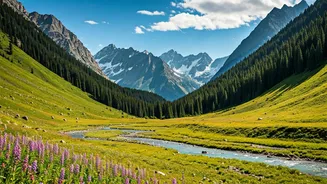
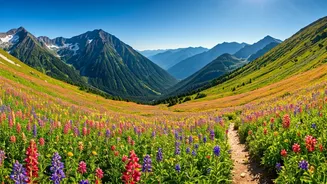
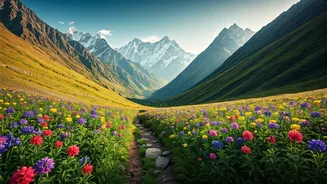
Choosing when to visit the Himalayas can be tricky, but Harsil in June is a traveler's sweet spot. The harsh winter has fully receded, leaving the valleys lush and green. Daytime temperatures are comfortably mild, perfect for long walks and exploration without the oppressive heat found elsewhere. Crucially, June typically falls just before the heavy monsoon rains arrive in July, meaning you get clear skies and spectacular mountain views. The trails are open, the rivers are full but not yet dangerously swollen, and the entire valley is in a state of vibrant bloom. It’s a short but glorious window when the region is at its most accessible and visually stunning, making it an ideal time to experience this Himalayan paradise.
Immerse Yourself in Nature's Quiet
The 'things to do' in Harsil are refreshingly simple. The primary activity is simply being present. Take long, meditative walks through the fragrant apple orchards that the village is famous for. Find a smooth boulder by the Bhagirathi River—considered an early form of the sacred Ganges—and spend an afternoon reading or just watching the glacial meltwater flow by. The area is a haven for birdwatchers, with numerous Himalayan species flitting through the dense pine and deodar forests. There are no schedules to keep or sights to tick off a list. A day might involve a leisurely stroll to a neighboring hamlet, sharing a cup of chai with a local family, and ending with a clear, star-filled night sky that is simply impossible to witness from a city. This is the reset—the conscious choice to do less and experience more.
A Gateway to Sacred Peaks
While Harsil itself is a destination for stillness, it also serves as a beautiful and serene base for exploring spiritually significant sites. It’s located on the main pilgrimage route to Gangotri, one of the four sacred 'Char Dham' sites and the origin point of the Ganges River. Just a short drive away, Gangotri offers not only the famous temple but also the dramatic Gaumukh Glacier trek for serious hikers. A quieter but equally profound excursion is to Mukhba village, the winter home of the idol of the goddess Ganga. In the offseason, the deity is brought down from Gangotri to this peaceful village. Visiting Mukhba offers a glimpse into local faith and tradition, set against a backdrop of breathtaking terraced fields and traditional wooden homes.
The Practicalities of Paradise
Reaching Harsil is part of the adventure. The nearest major airport is Jolly Grant Airport in Dehradun (DED), about 150 miles away. From there, you can hire a private taxi for the scenic, albeit long, 8-hour drive. For accommodations, the options reflect Harsil’s character. You’ll find a mix of government-run guesthouses, a few comfortable hotels, and a growing number of charming homestays that offer a more intimate experience of local hospitality. Don’t expect five-star luxury; instead, anticipate clean rooms, hearty, home-cooked meals, and unparalleled views. Pack layers, as mountain weather is unpredictable. Include a warm jacket for the cool evenings, sturdy walking shoes, sunscreen, and a good book. Most importantly, bring an open mind and a willingness to embrace the quiet.