



First, What Is a 'Monsoon List'?
The idea comes from 'monsoon tourism' in places like India and Thailand, where travelers seek out the dramatic beauty of the rainy season. A 'monsoon list' adapts this for a U.S. context. It’s a curated list of destinations that are uniquely appealing
during their wet, drizzly, or stormy seasons. Instead of fighting for a spot on a crowded beach in July, you’re leaning into the moody, atmospheric, and often cheaper off-season. It’s a travel hack that swaps sunshine for substance, trading crowds for character. This isn't about getting caught in a miserable downpour; it's about seeing a place when it’s at its most green, dramatic, and introspective.
The Pacific Northwest: Embrace the Cozy Season
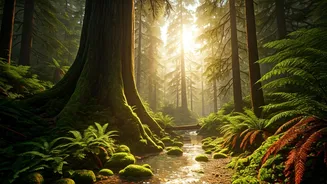
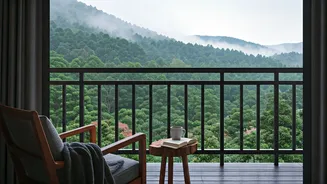
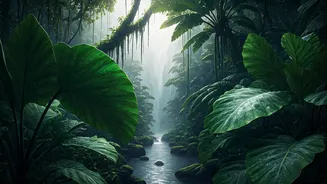
From October to April, Washington and Oregon enter their famous rainy season. While some see this as a deterrent, it’s when the region’s soul truly comes alive. The forests of Olympic National Park become impossibly green, draped in moss and shrouded in mist. Waterfalls that are a trickle in summer become roaring spectacles. The coastline turns into a dramatic stage for storm-watching, best viewed from a cozy cabin with a fireplace. Cities like Seattle and Portland thrive in the drizzle, with their legendary coffee shops, independent bookstores, and craft breweries offering warm refuge. It's less a vacation and more an immersion in 'hygge,' Pacific Northwest-style.
The American Southwest: Witness the Desert Bloom
The desert in the rain is a magical, multi-sensory experience. From July to September, the Southwest’s monsoon season brings dramatic, fast-moving thunderstorms. The appeal isn’t the rain itself, but the transformation it triggers. The air, normally dry and dusty, fills with the incredible scent of creosote and wet earth—a fragrance known as petrichor. The parched landscape erupts in a brief, brilliant bloom of wildflowers. The storms themselves are a spectacle, with dark clouds and lightning providing a stunning show against the red rock canyons of Arizona and New Mexico. It’s a powerful, fleeting season that reveals a completely different side of the desert.
Florida's Summer: Go for the Green and Thunder
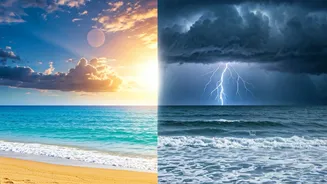
Ask any Floridian: summer means sun, heat, and a near-daily afternoon thunderstorm. For travelers, this predictable pattern is a planning advantage. The mornings are often bright and sunny for beach or theme park adventures. When the clouds roll in around 3 p.m., it’s the perfect signal to head indoors for a late lunch, a museum visit, or a nap. The storms rarely last long, and they leave behind cooler air and gloriously empty attractions for the rest of the evening. Plus, the constant moisture makes the entire state incredibly lush and green, from the swampy Everglades to the manicured gardens of St. Augustine. You get tropical beauty without the peak winter prices.
The Appalachians: Find Misty Mountain Magic
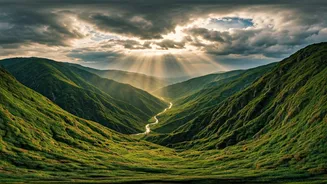
The Blue Ridge and Great Smoky Mountains are gorgeous year-round, but they take on a special mystique during their wetter, foggier seasons in spring and fall. The 'smoke' that gives the Smokies their name is actually a fog that hangs low in the valleys, creating breathtaking, layered views from overlooks on the Blue Ridge Parkway. Rainy days are perfect for exploring the region’s rich craft culture in towns like Asheville, North Carolina, or Gatlinburg, Tennessee. A hike through a temperate rainforest feels primeval in the damp air, with the sound of dripping leaves and rushing creeks as your only soundtrack. It's a quieter, more contemplative way to experience one of America's most beloved landscapes.