





The Smart Traveler’s Secret
The idea of “cool-weather India” is less a fleeting trend and more of a savvy travel awakening. For years, the classic Golden Triangle tour (Delhi, Agra, Jaipur) has defined the Indian travel experience for Westerners, often scheduled during the more temperate—but
still hot—winter months. But travelers are now discovering what locals have always known: a huge part of India is not just temperate, but refreshingly cool, mountainous, and lush. This shift is about more than just comfort. It’s about unlocking a different kind of India, one centered on nature, trekking, and tranquility. It’s India without the heatstroke, offering a chance to hike through pine forests or sip chai while wrapped in a sweater—experiences you might not have associated with the subcontinent.
The Himalayan North: Beyond the Postcard
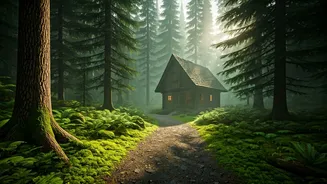
When we say cool, we mean it. The Indian Himalayas are a world away from the plains below. Forget the chaotic city buzz; think crisp, cedar-scented air. States like Himachal Pradesh and Uttarakhand are the epicenters of this experience. In Shimla, the former summer capital of British India, you can wander past colonial-era architecture on pedestrian-only streets, feeling like you’ve stepped into a different century. Further north, Dharamshala and its upper suburb of McLeod Ganj, home to the Dalai Lama in exile, offer a unique blend of Tibetan spirituality and breathtaking mountain views. This is a region for trekking, meditation retreats, and cozying up in mountain cafes with a book and a view of snow-capped peaks.
Ladakh: The High-Altitude Adventure
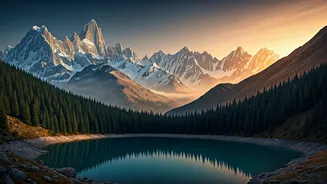
If the Himalayan foothills are a gentle introduction, Ladakh is the main event for adventure seekers. Often called “Little Tibet,” this high-altitude desert region in India’s far north is a landscape of stark, staggering beauty. Accessible by a thrilling flight into Leh, its capital, Ladakh is a world of dramatic, barren mountains, impossibly blue lakes like Pangong Tso, and ancient Buddhist monasteries clinging to cliffsides. The climate is dry and the sun is strong, but the air is perpetually cool. It's a place for road trips on some of the world's highest motorable passes, multi-day treks through remote valleys, and a profound sense of peace and scale that’s hard to find anywhere else on Earth. The best time to visit is during its short summer, from June to September, when the rest of India is sweltering.
The Southern Escape: Tea Plantations and Misty Hills
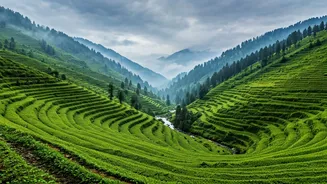
You don't have to go to the Himalayas to escape the heat. Tucked away in the Western Ghats mountain range in South India are the “hill stations”—high-elevation towns founded by the British as retreats from the coastal heat. In Kerala, the town of Munnar is a vision in green, with rolling hills blanketed in meticulously manicured tea plantations. Waking up to a misty morning, taking a tour of a tea factory, and hiking to viewpoints overlooking a sea of green is the main agenda here. Nearby in Tamil Nadu, Ooty (short for Udhagamandalam) holds the title “Queen of Hill Stations,” famous for its botanical gardens, serene lake, and a charming miniature railway that chugs its way through the mountains.
The Winter Hack: The Desert in a New Light
Cool-weather India isn't just about geography; it's also about timing. Even famously hot destinations become idyllic during the right season. Take Rajasthan, the desert state known for its majestic forts and opulent palaces. Visiting in the peak of summer is a test of endurance. But visit between December and February, and you’ll find a completely different world. The days are crisp, sunny, and perfect for sightseeing, with daytime temperatures hovering in the comfortable 70s. The nights are chilly enough for a bonfire and a warm jacket. This is the time to explore the blue city of Jodhpur or the lake city of Udaipur without the oppressive heat, seeing these iconic places at their absolute best.