





Your Garden’s Morning Pick-Me-Up
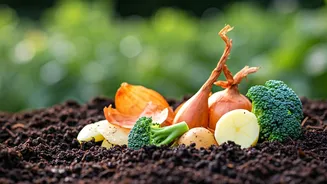
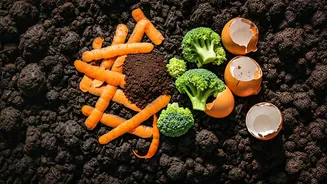
At the heart of any successful compost pile is a delicate balance between “green” and “brown” materials. Browns, like dried leaves, cardboard, and twigs, are rich in carbon. Greens, such as grass clippings, vegetable scraps, and coffee grounds, provide
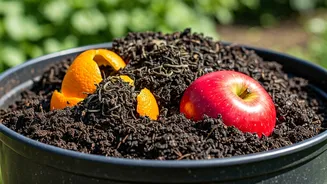
the essential nitrogen. Tea leaves are a fantastic, and often overlooked, source of nitrogen. As they decompose, they release this nitrogen, which acts as a fuel source for the microorganisms working tirelessly to break down all the organic matter in your bin. Think of it as an energy drink for your compost, accelerating the entire process and helping to create a nutrient-rich final product much faster. A steady supply of tea leaves helps maintain the ideal carbon-to-nitrogen ratio, preventing your compost from becoming too dry and slow (too much brown) or too dense and smelly (too much green).
More Than Just a Nitrogen Boost
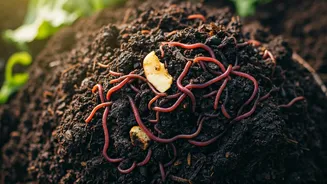
The benefits of tea leaves extend beyond their nitrogen content. Their fibrous nature helps improve the structure of your compost, creating small air pockets that are vital for the aerobic bacteria that do the heavy lifting. Good aeration means a faster, sweeter-smelling decomposition process. Furthermore, tea leaves contain trace nutrients that, once composted, enrich the soil and nourish your plants. Some gardeners also swear that the scent of decomposing tea leaves is particularly attractive to earthworms, nature’s master composters. Luring more worms to your pile is a huge win; their burrowing and digestion activities mix and aerate the compost, breaking it down into what’s often called “black gold”—a fine, crumbly, and incredibly fertile soil amendment. The slightly acidic nature of tea also helps balance the pH of the pile and can be beneficial for alkaline soils.
The Great Teabag Debate
Here’s where the “secret” part gets a little tricky. While the tea leaves themselves are a pure benefit, the packaging they come in can be a problem. Many modern teabags, even those made of paper, are sealed with a small amount of heat-resistant polypropylene plastic to keep them from falling apart in boiling water. This plastic will not break down in your home compost pile. Instead, it leaves behind tiny plastic fragments that contaminate your soil. To avoid this, you have a few options. The best choice is using loose-leaf tea, which can be tossed directly into your compost. If you prefer bags, look for brands that are explicitly marked as “fully compostable” or plastic-free. These often use plant-based materials like corn starch (PLA) for their mesh and sealing. Alternatively, you can simply rip open the used teabag, empty the leaves into your compost caddy, and discard the bag, staple, and string in the trash. It’s an extra step, but it ensures you’re only adding the good stuff to your garden.
A Simple How-To for Home Composters
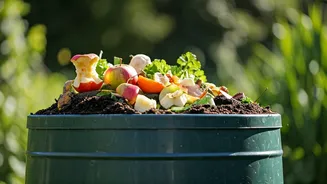
Incorporating tea into your composting routine is simple. First, determine your teabag situation. If they’re plastic-free, you can toss the whole thing in. If not, make it a habit to tear them open and dump the contents. Collect your used tea leaves (and coffee grounds, for that matter) in a small countertop compost pail. When you take your kitchen scraps out to your main compost bin or pile, just add the tea leaves along with everything else. Aim to bury them slightly within the pile rather than leaving them on top, which helps them integrate faster and deters any potential pests. Don’t worry about adding too much at once; unless you’re running a commercial tea house, your daily household consumption is unlikely to throw off the balance of your pile. Just mix them in as part of your regular “green” additions and let nature do the rest.